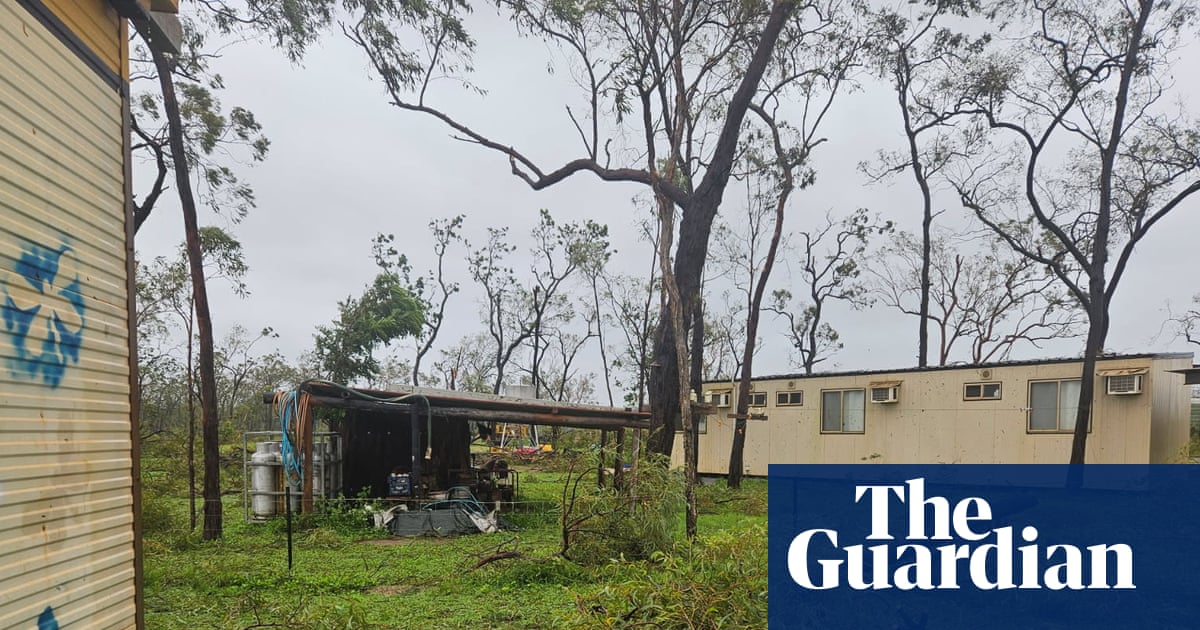
Tropical Cyclone Narelle rapidly intensified to category 5 offshore and made landfall in Cape York with sustained winds around 195 km/h and gusts up to 270 km/h. The storm impacted remote communities — Lockhart River (~700 residents) and nearby Coen (~320) — causing downed trees and powerlines, localised flooding, airstrip damage requiring repairs, and road cut-offs, though no injuries were reported as of Friday afternoon. Record ocean temperatures contributed to the rapid intensification; forecasters expected Narelle to weaken to category 2 crossing central Cape York before moving into the Gulf of Carpentaria and potentially restrengthening ahead of a second landfall in the Northern Territory late Saturday/Sunday.
This event tightens an existing, underappreciated feedback loop between remote-infrastructure vulnerability and concentrated repair spend. Remote airstrip and power-connector damage creates discrete, high-margin opportunities for civil contractors and specialist logistics (helicopter/airfreight) over a 3–18 month rebuild window, because mobilization costs and scarcity of crews bid up rates 15–40% versus non-remote projects.
Insurance and reinsurance dynamics will play out on different cadences: primary insurers will show headline P&L volatility in the coming 0–3 months as claims are lodged, but treaty structures and global pools mute balance-sheet trauma; reinsurance markets typically tighten and harden over the following 6–12 months, creating an earnings tailwind for reinsurers and brokers once rate increases kick in.
Government response is the critical wild card that determines winners: a targeted federal upgrade program for “cyclone-hardened” infrastructure would lock in multi-year contracts for large builders and civil engineers and accelerate demand for resilient power/communications equipment; conversely, a pay-as-you-go relief approach leaves most incremental demand in the local SME ecosystem, favouring regional suppliers but limiting scale for listed contractors.
Key risks: a second, larger landfall or protracted inland flooding within 7–14 days materially increases insured losses and supplier disruption, while faster-than-expected reinsurance relief (retrocession capital) or negligible claim volume would compress the reconstruction opportunity. Watch federal budget statements and early tender releases over the next 4–8 weeks as primary catalysts that convert the headline event into sustained revenues.
AI-powered research, real-time alerts, and portfolio analytics for institutional investors.
Request DemoOverall Sentiment
mildly negative
Sentiment Score
-0.20
