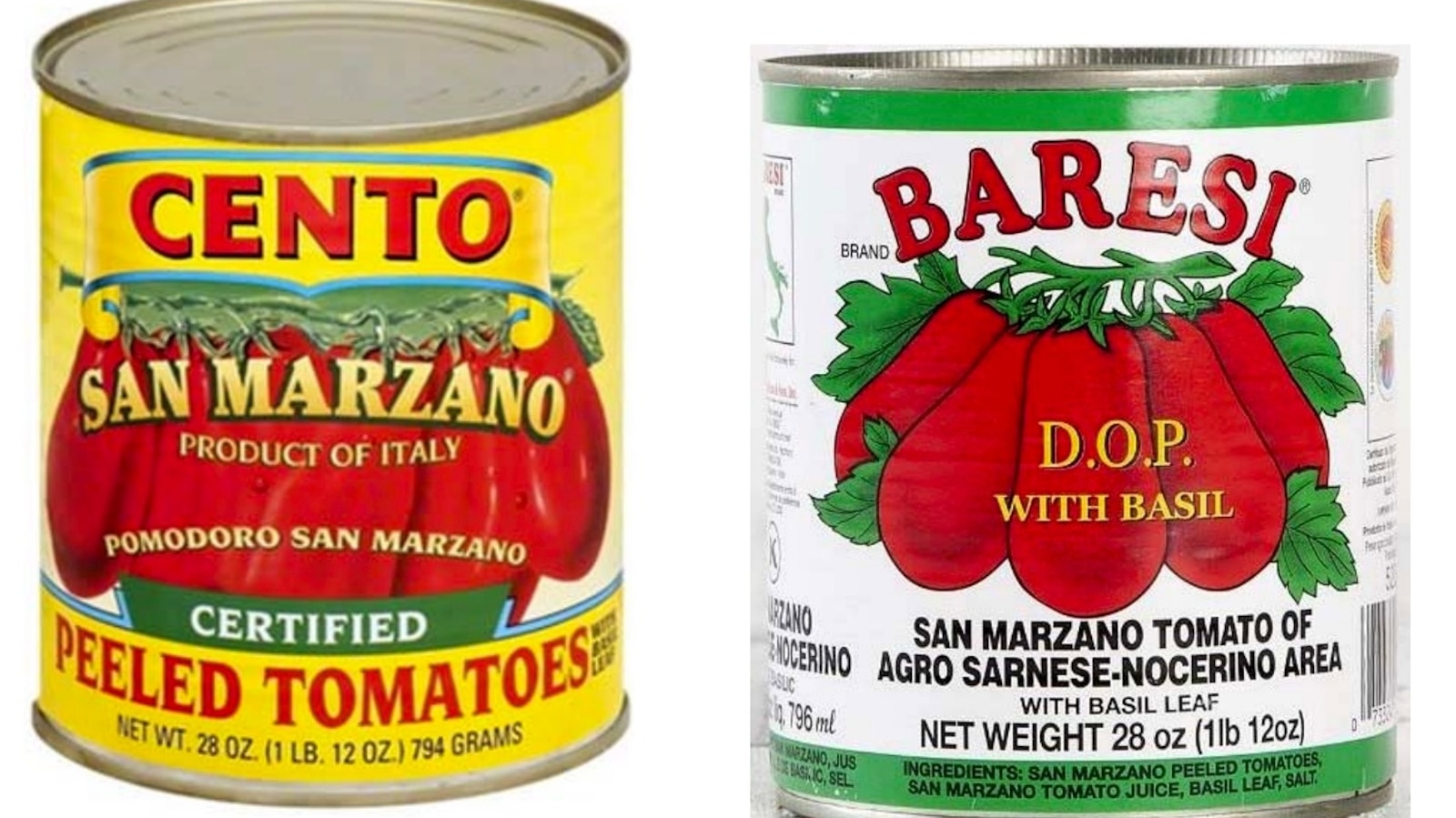
Cento Fine Foods faces a proposed California class action alleging its San Marzano tomato products are falsely labeled as 'Certified San Marzano' and seeking more than $25 million for allegedly deceived consumers. The company says the claims are meritless and will seek dismissal, citing a prior New York case it successfully defended in 2020. The case is a reputational and legal overhang, but likely limited in broader market impact.
This is less a one-off packaging dispute than a margin-arbitration test case for premium grocery brands that rely on provenance as a pricing tool. If the court lets the claim proceed past motion to dismiss, the real damage is not the lawsuit amount but the discovery burden: sourcing documents, certification trails, and retailer disclosures can surface process gaps that pressure not just this SKU but the entire premium-Italian import category.
The first-order loser is the brand owner, but the second-order beneficiaries are private-label and domestically certified tomato brands that can market simpler, defensible claims at a lower price point. Retailers are also exposed: if they took margin on a premium item with ambiguous labeling, they may respond by tightening vendor standards and rationalizing assortments, which could modestly compress shelf space for niche importers over the next 6-12 months.
The key market question is whether this becomes a repeatable consumer-fraud template. The prior dismissal helps, but the new complaint’s framing around premium-price injury and certification semantics raises the odds of nuisance settlement rather than a clean exoneration. For a mid-sized food distributor, even a small settlement can matter if it triggers label redesign, legal fees, and short-term retailer de-listing risk; those effects would show up faster than any earnings impact, likely within 1-2 quarters.
Contrarian view: the market may overestimate cash exposure and underestimate how often consumers treat “certified” as marketing puffery rather than a strict origin guarantee. If the company can show consistent product quality and substitution among materially similar certifications, this may collapse into a low-single-digit-million settlement and minimal P&L damage. The bigger risk is not the lawsuit itself, but copycat litigation against adjacent imported-food brands using heritage claims, which would widen the legal overhang across the aisle.
AI-powered research, real-time alerts, and portfolio analytics for institutional investors.
Request DemoOverall Sentiment
moderately negative
Sentiment Score
-0.45
Ticker Sentiment
