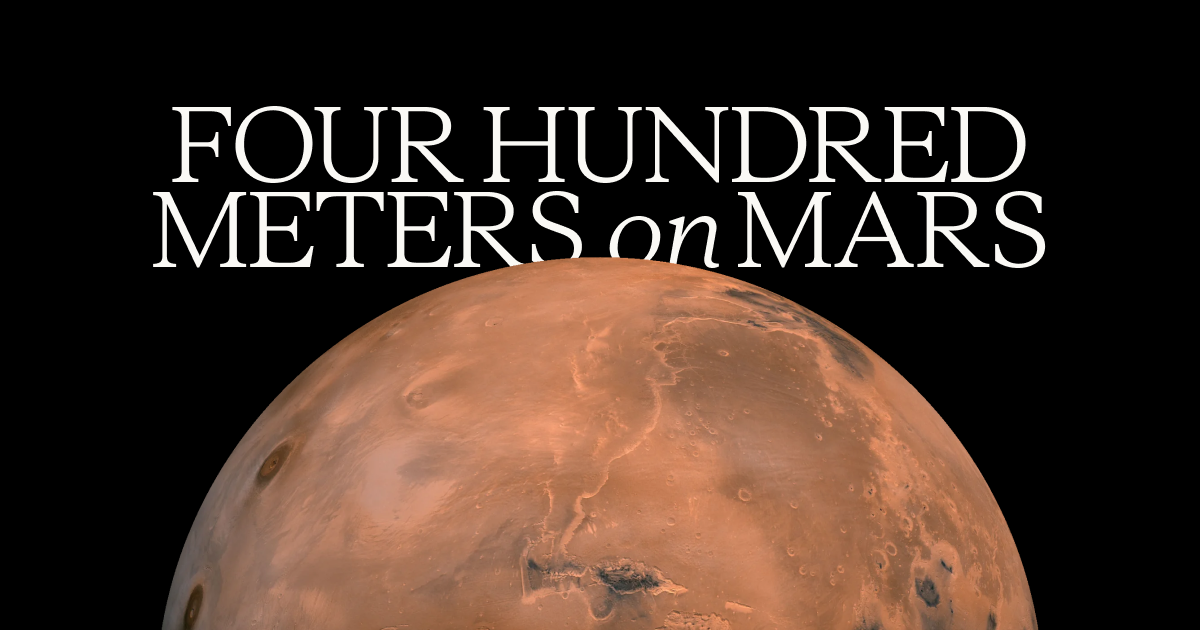
Anthropic’s Claude AI was used by NASA JPL to autonomously plan Perseverance rover’s approximately 400‑meter drive on sols 1707 and 1709 (near Earth dates Dec. 8 and 10, 2025), outputting Rover Markup Language waypoints that were validated via the rover’s daily simulation (over 500,000 modeled variables) and required only minor human edits before successful execution. JPL estimates the process can cut route‑planning time roughly in half and increase drive consistency and throughput, highlighting operational efficiencies for future NASA Artemis and deep‑space missions and potential commercial demand for advanced autonomous AI tooling in aerospace applications.
Market structure: The NASA/JPL use of Anthropic’s Claude is a clear signal that demand will grow for cloud AI compute, edge/autonomous software and radiation‑hardened sensors. Direct winners: AI‑compute leaders (NVDA), cloud hosts (MSFT, AMZN, GOOGL) and space/system integrators that supply autonomy, sensors and mission software (LMT, NOC, RTX, LHX, MAXR). Losers: low‑margin manual engineering consultancies and legacy chip vendors (INTC) that fail to capture AI/GPU value; pricing power shifts toward vertically integrated AI+space suppliers.
Risk assessment: Tail risks include an AI‑caused mission failure or high‑profile regulatory action on advanced models/exports (affecting cloud/GPU flows) and semiconductor export controls that could choke supply—probability low (<15%) but high impact. Near term (days–weeks) catalysts are earnings and NASA contract announcements; medium (3–12 months) depends on CHIPS/defense budgets; long term (1–5 years) hinges on widespread autonomous mission adoption. Hidden dependencies: access to specialized rad‑hard chips, JPL simulation pipelines and Deep Space Network slots; these create single‑supplier concentration risks.
Trade implications: Tactical: overweight AI compute and defense primes; buy NVDA for 6–12 months as exposure to secular GPU demand and sell lifecycle risk via covered calls if volatility spikes. Relative trade: long NVDA vs short INTC (expect NVDA to outgrow Intel by >25% over 12 months). Satellite/data plays (MAXR, PL) are 6–18 month re‑rating candidates if they win NASA/DOD contracts. Manage with 10–20% stop losses and size positions to 1–3% of portfolio each.
Contrarian angles: Consensus treats this as PR for AI rather than an industrial inflection—that underprices specialist space software suppliers and rad‑hard chip makers. Conversely NVDA is partly priced for perfection; a single quarter miss or new export control would cause >20% downside. Historical parallel: GPS/defense tech diffusion where niche contractors re‑rated after a few marquee wins. Monitor NASA contract notices, CHIPS Act disbursements and DoD space procurement weekly; these are leading indicators for re‑rating.
AI-powered research, real-time alerts, and portfolio analytics for institutional investors.
Request DemoOverall Sentiment
mildly positive
Sentiment Score
0.28
