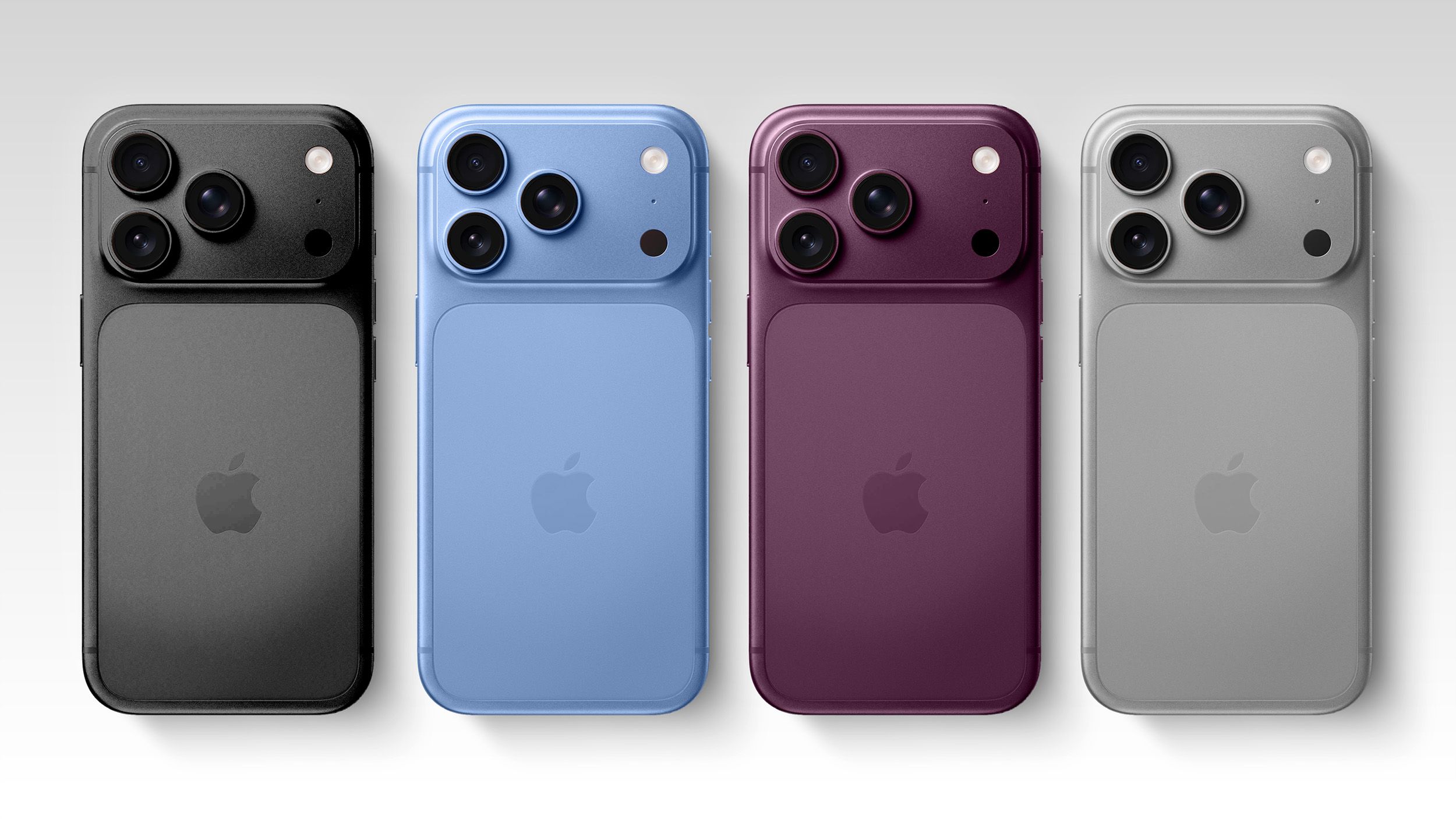
Apple’s iPhone 18 Pro and Pro Max are rumored for a September launch with incremental upgrades including a smaller Dynamic Island, LTPO+ displays, a variable-aperture 48MP main camera, and the A20 Pro chip on TSMC’s first-generation 2nm process. The models may also get Apple’s C2 modem, 5G via satellite, an N2 wireless chip, simplified Camera Control, and a redesigned rear Ceramic Shield, while a Dark Cherry color is expected and Cosmic Orange/Deep Blue may be discontinued. Overall, the article is rumor-driven and signals product refinement rather than a major platform shift.
The bigger takeaway is that Apple appears to be optimizing the iPhone 18 Pro for incremental differentiation rather than a true form-factor reset. That matters because it shifts the upgrade narrative from “must-have hardware leap” to a more nuanced mix of battery, imaging, and polish, which historically supports unit stability but not a major step-up in ASP elasticity. In other words, the product cycle looks good for sustaining premium demand, but not obviously strong enough to force a re-rating on handsets alone.
The most interesting second-order winner is TSMC: if Apple is first out with meaningful 2nm volume, Apple becomes an early proof point for yield and packaging ramps at the node. The market tends to underappreciate how much of TSMC’s near-term multiple expansion comes from credibility on advanced-node adoption rather than just nominal wafer revenue. If Apple’s launch lands cleanly, it can pull forward broader customer confidence on 2nm migration and support a stronger 2027 capex/utilization narrative.
The contrarian angle is that the market may be overestimating consumer-visible excitement and underestimating supply-chain complexity. Smaller physical changes can still create meaningful assembly and calibration risk, especially around new modem integration, display tech, and camera modules; any slippage would matter more because expectations are already high for a September launch window. If early production yields are noisy, the stock reaction likely shifts from feature-driven enthusiasm to margin and delivery skepticism within 1-2 quarters.
From a competitive standpoint, the modest design delta may push Apple to rely more on ecosystem lock-in than hardware wow-factor, which favors Services attach but caps replacement urgency. That makes the best expression less about chasing a big AAPL move into launch and more about owning the enabling silicon content where each incremental spec upgrade still translates into high-value wafer demand and packaging intensity.
AI-powered research, real-time alerts, and portfolio analytics for institutional investors.
Request DemoOverall Sentiment
neutral
Sentiment Score
0.15
Ticker Sentiment
