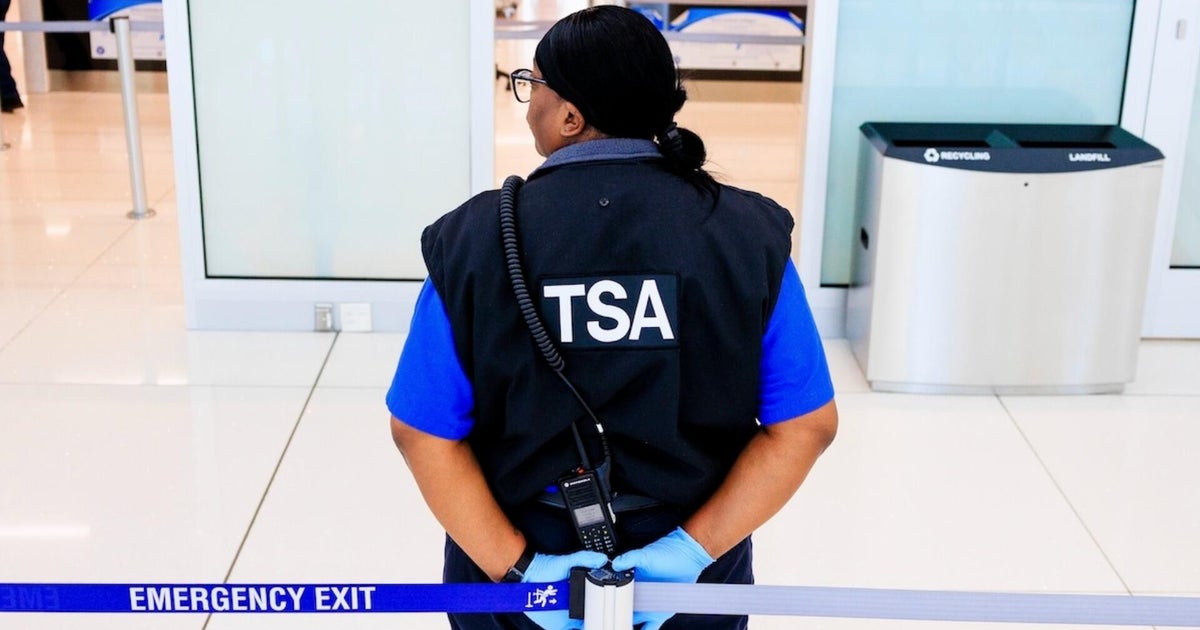
More than 8,000 pounds of food: Pittsburgh International Airport and the Greater Pittsburgh Community Food Bank opened an on-site pantry to support TSA and other federal workers affected by the government shutdown, supplying pre-packed boxes, canned and dry goods, and produce. The pantry will run every couple of weeks while needed (this week Thu–Fri, with Fri hours 7 a.m.–10 a.m.); the airport also provided free lunches twice weekly and reports varying call-out rates but no significant queue issues to date.
Frontline federal-worker liquidity shocks create a volatile, asymmetric operational risk for travel nodes: small increases in absenteeism concentrate at peak hours and hubs, where schedule slack is thin and knock-on cancellations cascade through connecting itineraries. Airports or carriers that can shore up worker morale and basic needs reduce realized absenteeism and thus preserve throughput volatility — a local mitigation that translates into steadier ancillary revenue and fewer last-minute rebookings.
Network topology matters: point-to-point carriers absorb localized staffing variation with less system disruption than hub-and-spoke models where a single checkpoint failure propagates across dozens of flights. Separately, airport operators and concession managers that proactively support staff lower the probability of reputational hits that depress short-term passenger spend and yield (food, retail, parking).
Time horizon and catalysts: outcomes bifurcate quickly. A shutdown resolved within days largely negates measurable revenue impact; a multi-week standoff increases the chance of structural schedule cuts, higher overtime spend, and potential political interventions (temporary hazard pay) that re-price airlines’ labor cost outlook. Watch labor-service headlines and TSA attendance rates on a daily cadence — deterioration over 7–14 days is the tipping window for operationally material moves.
The tradeable implication is relative stability rather than absolute upside: favor names with decentralized networks or visible operational agility and avoid concentrated-hub exposures during the persistence window. Position sizing should reflect a binary resolution path — high conviction trades are short-dated (30–90 day) and asymmetric, sized to capture volatility dispersion while protecting against rapid political resolution.
AI-powered research, real-time alerts, and portfolio analytics for institutional investors.
Request DemoOverall Sentiment
mildly positive
Sentiment Score
0.15
