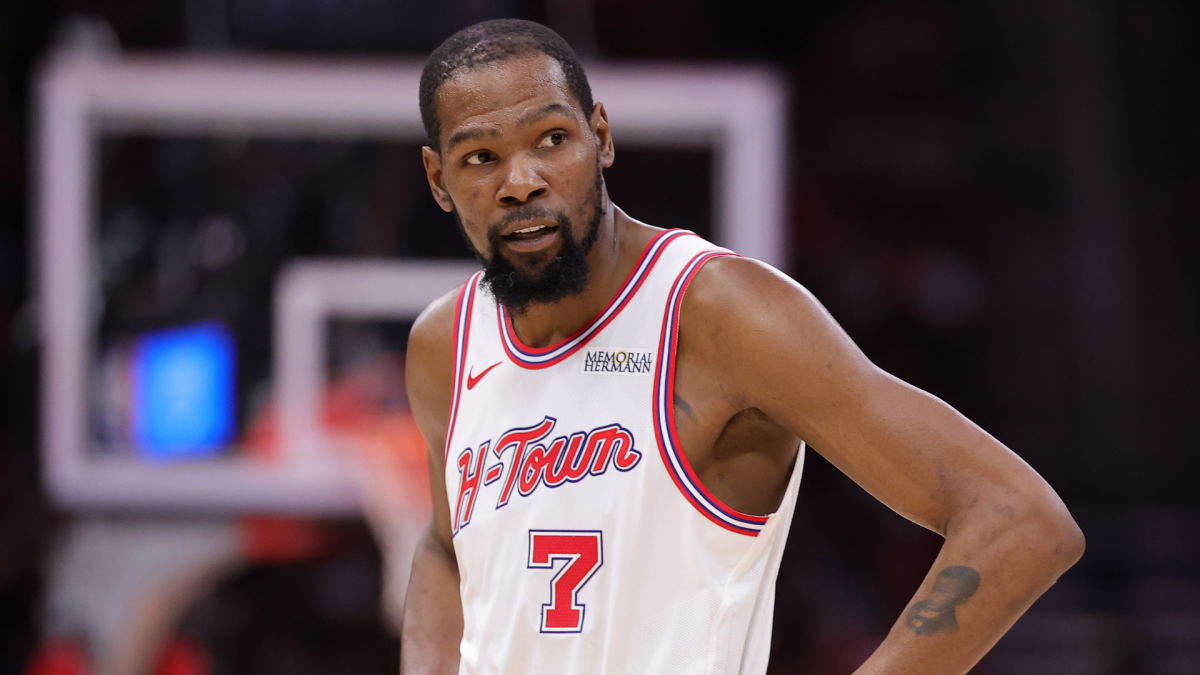
The article frames the NBA regular-season finale as a bracket-positioning story, highlighting winners such as the Rockets, Cavaliers, Blazers, and Bucks, and losers such as the Knicks, Spurs, and Magic. Key playoff implications include Houston drawing an injury-hit Lakers team, Cleveland landing Toronto instead of Atlanta, and Orlando dropping to the No. 8 seed and facing the 76ers in the play-in. The piece is sports commentary rather than financial news, so it carries no material market-moving impact.
The main market takeaway is not the individual standings result, but the widening gap between teams with clean matchup paths and those forced into higher-variance series. That tends to matter most in the first 7-10 days of playoffs, when pricing still reflects season-long strength more than opponent-specific fit; teams with favorable draws often outperform consensus by 1-2 series outcomes, while teams facing elite 3-point volume or defensive mismatches can underperform despite better regular-season net ratings. From a flow perspective, the most interesting angle is the Suns/Warriors/Clippers ecosystem around the play-in. Teams that can survive one game are effectively buying a two-game optionality premium, and the market usually underestimates how much that reduces tail risk for veteran rosters. The flip side is that clubs like Orlando and Atlanta create short-duration volatility in opponent pricing: a live underdog with perimeter shot creation can force rapid repricing of totals and series odds if early-game 3-point variance runs hot. The contrarian read is that consensus may be over-focusing on seeding and underweighting health asymmetry. In playoff basketball, one missing primary ball-handler is often worth more than 4-5 seeding spots because it changes late-clock shot quality and foul-drawing, which is why “easy” matchups can become materially less easy within a few quarters. That argues for treating these bracket-induced dislocations as short-lived mispricings rather than durable information. There is also a second-order angle for media/entertainment exposure: competitive uncertainty and a likely multi-round narrative around marquee markets should support engagement across playoff windows. If upset probabilities rise, broadcasters and live-event operators benefit from longer series and more elimination games, while sponsors tied to the highest-visibility franchises see better inventory value than the standings alone would imply.
AI-powered research, real-time alerts, and portfolio analytics for institutional investors.
Request DemoOverall Sentiment
neutral
Sentiment Score
0.05
Ticker Sentiment
