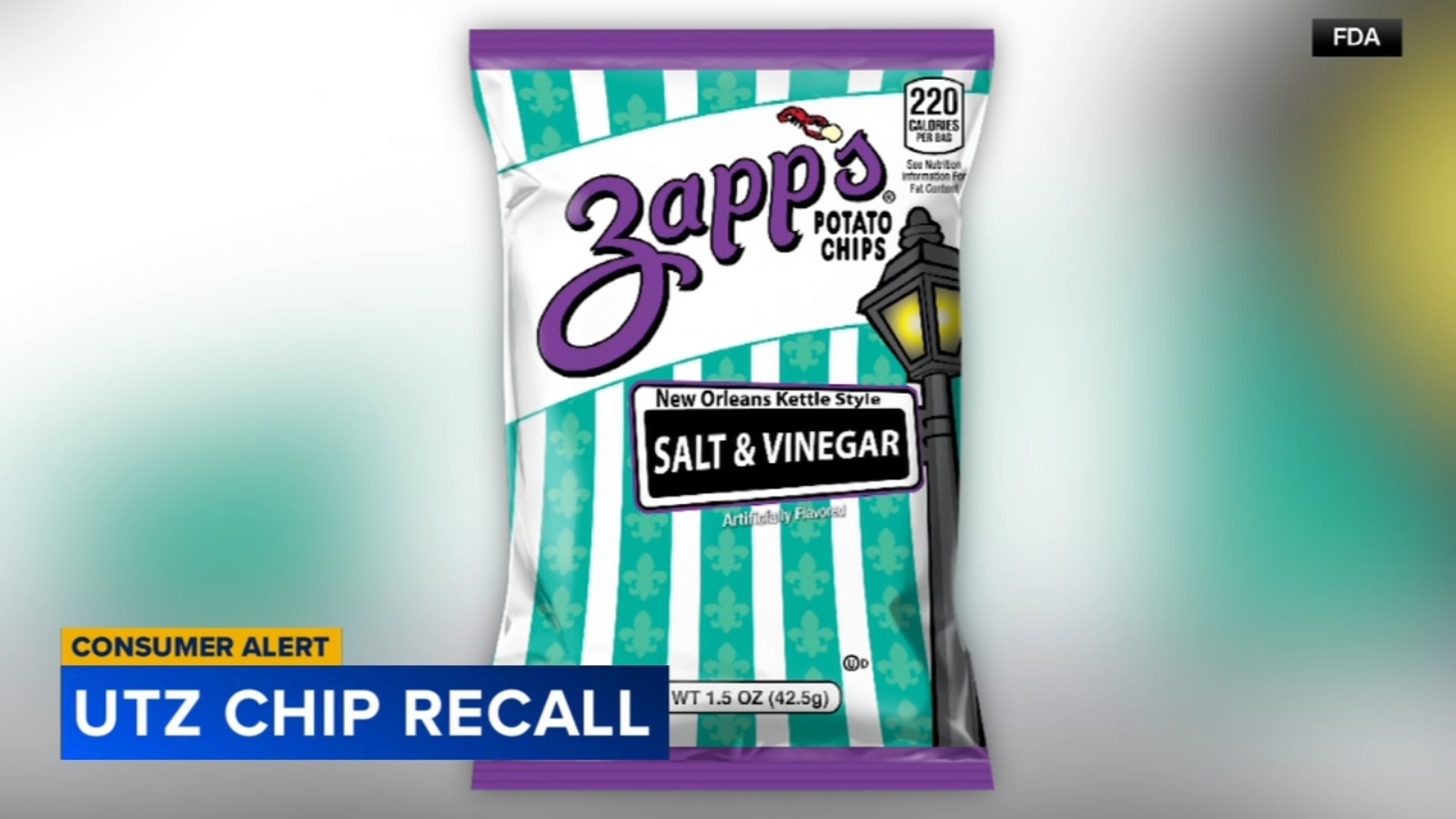
Utz Brands is voluntarily recalling several Zapp's and Dirty potato chip varieties nationwide over potential salmonella contamination linked to a seasoning powder containing dried milk. No illnesses have been reported, but consumers are being told to discard affected products and request refunds if needed. The event is a modest negative for the company due to product safety and brand-reputation risk.
This is a brand trust event, not a balance-sheet event, but the second-order damage can show up quickly in velocity data. Snack buyers are habit-driven and substitution is easy, so the near-term hit is likely concentrated in the affected SKUs and in incremental retailer caution rather than category demand destruction. The larger risk is that a recall tied to seasoning/milk contamination broadens the perceived quality-control problem across the portfolio, pressuring shelf resets and retailer orders for several weeks.
The market should focus on whether this becomes a one-off traceability issue or evidence of more fragile manufacturing controls. If stores pull facings or temporarily delist affected lines, the loss of shelf presence can outlast the recall itself because snack categories reward continuity and end-cap stability. That creates a subtle but meaningful winner set: private-label salty snacks and adjacent branded competitors can capture trial during the reset window, especially if retailers use the incident to renegotiate promotional terms.
The main catalyst path is headlines, not earnings. A clean resolution with no illnesses and a tight remediation plan can cap downside within days, but any follow-on recall, regulatory scrutiny, or social-media amplification could extend the overhang for months by raising the probability of higher QA and logistics costs. The contrarian point is that the direct revenue impact may be overstated versus the potential for a fast consumer bounce-back; the bigger risk is margin compression from remediation and trade spend, not a structural demand hit.
From a trading perspective, this is more attractive as a short-dated sentiment trade than a fundamental short. UTZ is vulnerable if management is forced to defend brand quality with extra promotions, but the absence of reported illnesses limits the probability of a sustained multiple reset unless the issue widens. The best risk/reward is to express a short-term relative-value view rather than an outright medium-term conviction bet.
AI-powered research, real-time alerts, and portfolio analytics for institutional investors.
Request DemoOverall Sentiment
mildly negative
Sentiment Score
-0.35
Ticker Sentiment
