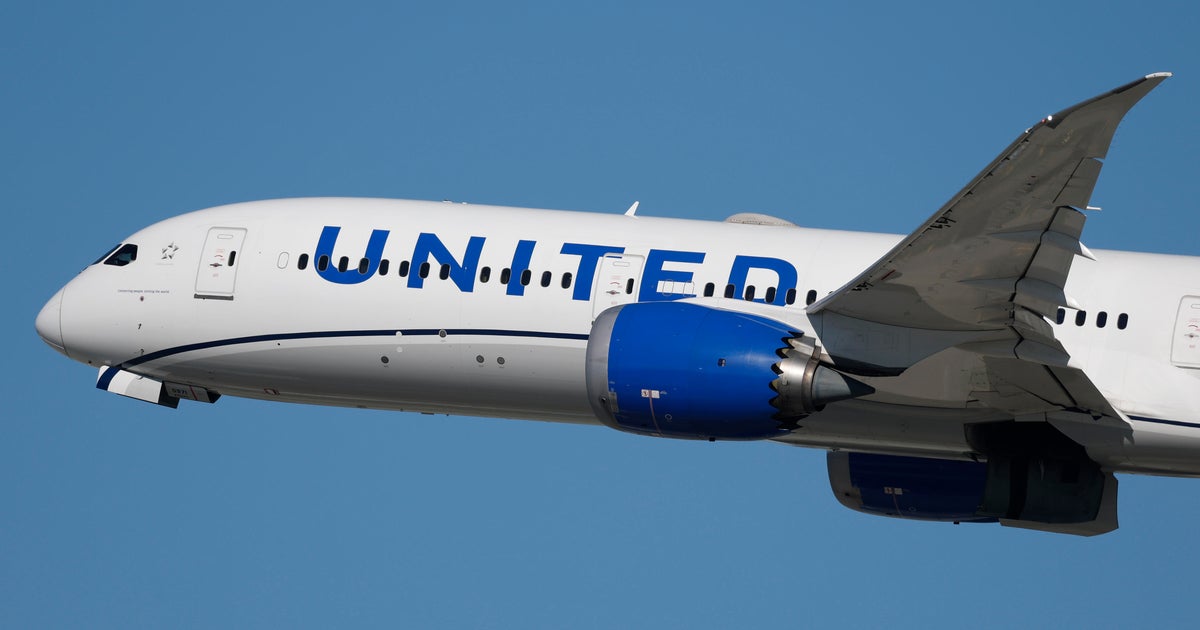
A United Airlines Flight 1551 from Newark to Guatemala City made an emergency landing in Washington, D.C. after a passenger allegedly tried to open a door at 36,000 feet and assaulted another passenger. The flight was canceled and passengers were rebooked on a replacement flight, with overnight accommodations provided. United said law enforcement met the aircraft; the FBI responded at Dulles Airport, and no injuries were reported.
This is not a balance-sheet event for UAL so much as an operational and reputational microshock that can still matter at the margin because airline demand is highly trust-sensitive and very low elasticity in the near term. The first-order impact is usually a small burst of compensation, rebooking, and disruption costs, but the second-order risk is that incidents like this raise perceived inconvenience on a route/network basis and can depress load factor quality at the edges for a few weeks, especially among higher-yield leisure travelers and family groups. BA is effectively insulated financially here, but any headline reinforcing concerns around 737 Max cabins and door-related anxiety can keep the model’s noise premium elevated even when the root cause is behavioral rather than mechanical.
The bigger near-term catalyst is legal and regulatory, not operational. If the passenger is charged and the airline or crew handling becomes a public narrative, UAL could face a short-lived spike in customer-service costs and social media amplification; if there is evidence of broader security-process failure, the timeline extends from days into months via TSA/FAA scrutiny. That said, the market often overprices isolated airline incidents in the first 24-72 hours and then mean-reverts unless they cluster, so the key question is whether this is a one-off or part of a pattern that would justify a higher risk discount on UAL versus peers.
Contrarianly, the incident may be mildly bullish for premium cabin and ancillary revenue over time if airlines use it to justify tighter unruly-passenger enforcement, stronger crew protocols, and more aggressive fee-based service recovery. Airlines with better ops discipline can actually gain share when customers become more selective after disruption. The actionable trade is to fade any knee-jerk weakness in UAL unless there is follow-on evidence of bookings deterioration or regulatory escalation; BA is a lower-conviction pair leg because the direct read-through is minimal and any move there is likely just sentiment noise.
AI-powered research, real-time alerts, and portfolio analytics for institutional investors.
Request DemoOverall Sentiment
mildly negative
Sentiment Score
-0.40
Ticker Sentiment
