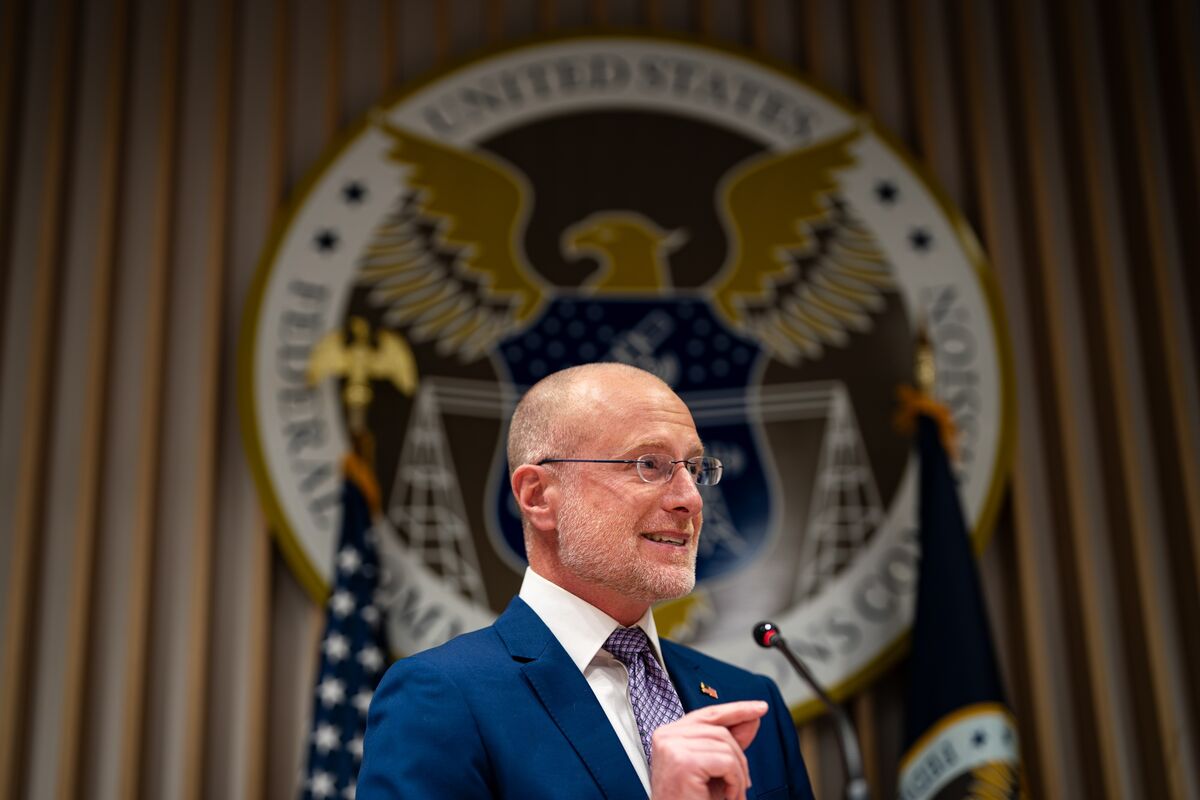
The FCC under President Trump is actively policing speech on broadcast TV, using station-license enforcement, merger review leverage and updated 'equal time' guidance. This raises regulatory and political risk for major networks and pending media transactions, potentially delaying deals or leading to conditions on approvals. Investors should expect increased scrutiny of content decisions and greater policy-driven volatility for media-sector valuations.
Regulatory pressure that increases compliance risk for broadcast stations is an earnings-leverage amplifier: local and national broadcasters have thin margins on spot advertising and high fixed-cost programming, so a sustained 3-8% re-pricing of political/prime-time CPMs (plausible in an election cycle) can translate into a 10-25% swing in EBITDA for pure-play broadcast owners over 12 months. That outcome is non-linear because retransmission consent and political-ad windows are concentrated revenue buckets; a modest advertiser flight or forced scheduling changes compress both near-term cash flow and the valuation multiple buyers are willing to pay for license-heavy balance sheets.
Second-order beneficiaries are platform and streaming businesses that can credibly promise lower regulatory execution risk and more controllable content gating — digital ad platforms and national SVOD/AVOD players can capture displaced viewership and political ad dollars, improving ad yield and fill rates. Meanwhile, M&A friction increases: bidders will add a 200–400bp regulatory risk premium to any broadcast-heavy target, delaying or killing deals and creating windows for selective arbitrage (targets with diversified content stacks trade at materially tighter multiples than license-heavy peers).
Key catalysts and timeframes: immediate guidance changes will pressure sentiment over weeks to months, but judicial relief or a change in commission composition could reset the trade in 3–24 months. Tail risks include license non-renewal threats or landmark court rulings that expand enforcement scope; those would crystallize outsized downside quickly, while an intervening surge in political ad spend (6–18 months) would blunt the impact and likely produce a sharp mean-reversion in affected names.
AI-powered research, real-time alerts, and portfolio analytics for institutional investors.
Request DemoOverall Sentiment
mildly negative
Sentiment Score
-0.25
