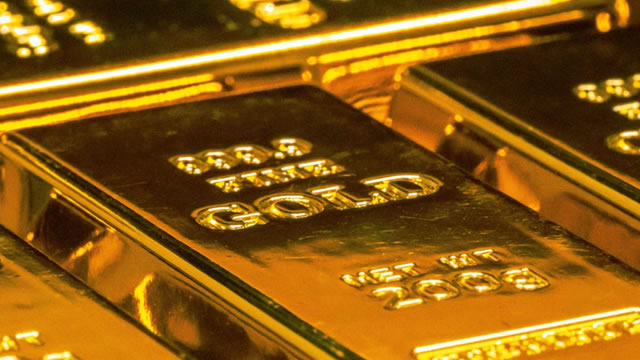
Gold slid below $4,000/oz in Monday trading as Fed Governor Christopher Waller said policymakers may need to raise rates in the near term. The segment also links the move to oil price weakness and a renewed US blockade affecting the Strait of Hormuz, factors weighing on gold and silver sentiment.
The near-term mechanism is rates, not geopolitics. An oil shock can be bullish for inflation hedges in theory, but if policymakers respond by re-pricing the hike path, the first asset to lose is usually the most duration-sensitive one: gold, then silver. Silver is the weaker leg because it carries both a real-rate headwind and a growth headwind; if energy costs stay elevated, industrial users delay purchases and the metal loses its dual-support narrative.
The bigger second-order winner is energy equity beta, not the headline commodity itself. If the market starts to believe the disruption persists, upstream cash flows improve faster than precious-metals pricing, while gold miners face a nasty squeeze: realized metal prices can soften at the same time diesel, power, and labor inputs stay sticky. That makes GDX/GDXJ less attractive than physical bullion in a stagflation scenario, but also more vulnerable than bullion if the Fed turns hawkish first.
Contrarian view: consensus is likely overestimating the safe-haven bid and underestimating the dollar/real-yield channel. The blockade story only supports gold if it becomes a sustained supply shock without an immediate policy response; otherwise the move can fade over days to a few weeks. Watch 10Y real yields, DXY, and Brent: if rates and the dollar keep rising while oil stalls, gold/silver can continue to underperform for 1-3 months; if oil keeps grinding higher and the Fed backs off, bullion can reassert as a 6-18 month inflation hedge.
AI-powered research, real-time alerts, and portfolio analytics for institutional investors.
Request TrialOverall Sentiment
mildly negative
Sentiment Score
-0.35
