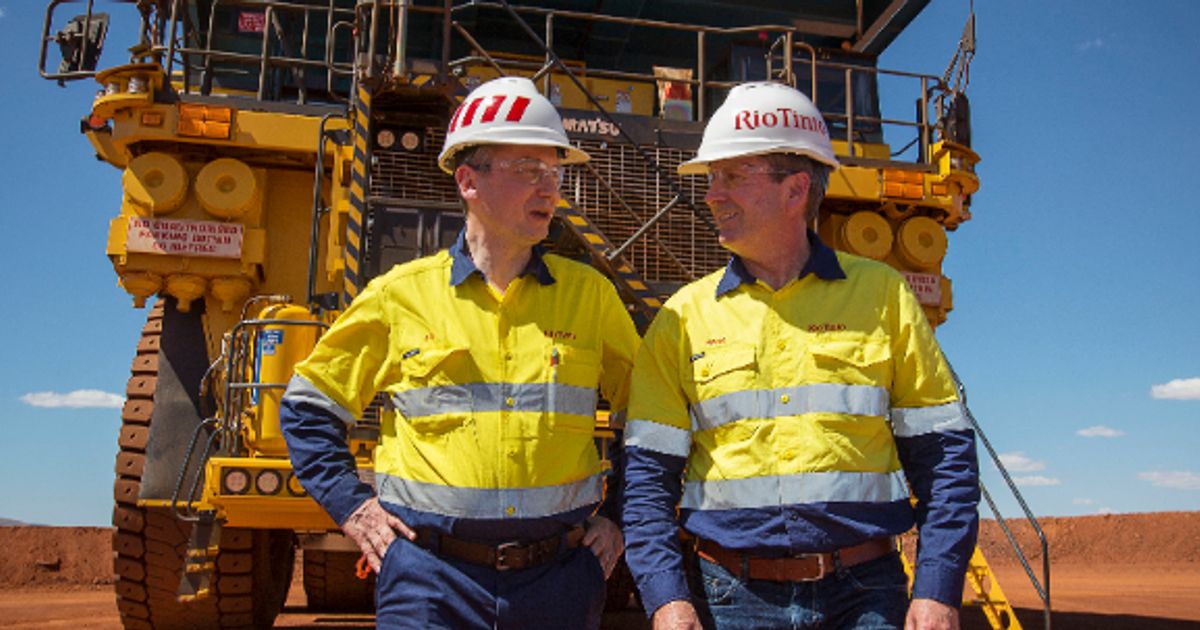
Rio Tinto and Glencore have terminated merger talks after failing to agree on price and governance terms, with Glencore flagging that Rio retaining chairman and CEO roles would materially undervalue Glencore; under the UK Takeover Code Rio must wait at least six months before making a firm offer. The announcement prompted a >10% initial selloff in Glencore shares while Rio remained largely steady; Rio will refocus on internal priorities including $650 million of annualized productivity gains targeted by end-Q1 2026, an opportunistic $5–10 billion cash release, maintaining a 40–60% dividend payout and continued net-debt reduction (net debt $14.6bn in H1 2025). Analysts note both firms’ copper expansion plans (Rio: ~850k t in 2026 to 1m t by 2028 and 1.6m t by 2035) remain strategic priorities for unlocking shareholder value, and Jefferies reiterated Buy on Glencore and Hold on Rio.
Market structure: Glencore’s failure to merge leaves competitive positions largely intact but forces near-term price discovery — GLEN equity has been repriced downward (>10% intraday) while RIO stays credit/ dividend-stable supported by a $650m/year productivity target and $5–10bn opportunistic cash release. Winners: existing RIO shareholders (defensive cash/dividend profile) and bidders for Glencore assets; losers: Glencore equity holders facing governance discount and potential fire-sale risk for non-core assets. Copper and coal supply dynamics are neutral-to-slightly bearish: potential Glencore coal demerger or asset sales could add short-term supply and depress coal prices, while both firms’ copper expansion plans keep long-term supply growth contingent on execution.
Risk assessment: Immediate tail risks include continued GLEN equity volatility (>15% swings), surprise asset disposals that depress commodity prices, or a hostile bid from a third party within six months that triggers further selloffs. Short-term (weeks–months) risks: earnings misses, delayed divestments, or higher funding costs could force deeper discounts; long-term (years) execution risk on copper growth targets (RIO 1.0Mt by 2028, 1.6Mt by 2035) is material and sensitive to capex slippage. Hidden dependencies: counterparty/credit exposure in Glencore’s trading business and jurisdictional political risk (Africa/LatAm) could amplify equity moves. Key catalysts to watch (30–180 days): GLEN board announcements on demergers/M&A, RIO asset-sale or buyback sizing, Q1–Q2 operational updates, and a >5% move in copper prices.
Trade implications: Tactical long exposure to GLEN is attractive on overshoot from governance-scare selling; directional size should be calibrated to volatility (start 2–4% portfolio equity weight on price weakness >10% from pre-announcement). Use option structures to define risk: buy 6–9 month call spreads on GLEN to play potential re-rating from asset unlocks; sell short-dated covered calls on RIO to monetize stable dividend yield while trimming exposure by 1–2%. Pair trade idea: long GLEN / short RIO equal notional to capture idiosyncratic re-rating of Glencore assets while hedging sector and copper-price moves; target spread mean-reversion within 6–12 months.
Contrarian angles: Consensus sees merger failure as net negative; overlooked is that forced asset sales or a focused Glencore management strategy (coal demerger, copper consolidation) could unlock mid-teens percentage valuation uplifts within 6–12 months if executed and communicated clearly. The market may have over-discounted Glencore’s cash-generative trading and metal marketing franchise; downside is limited if divestments are staged (avoids fire sales). Historical parallels: large mining M&A frequently fail but often leave the standalone companies more disciplined and returning capital—watch for RIO buybacks or higher dividends as a countervailing force.
AI-powered research, real-time alerts, and portfolio analytics for institutional investors.
Request DemoOverall Sentiment
moderately negative
Sentiment Score
-0.35
Ticker Sentiment
