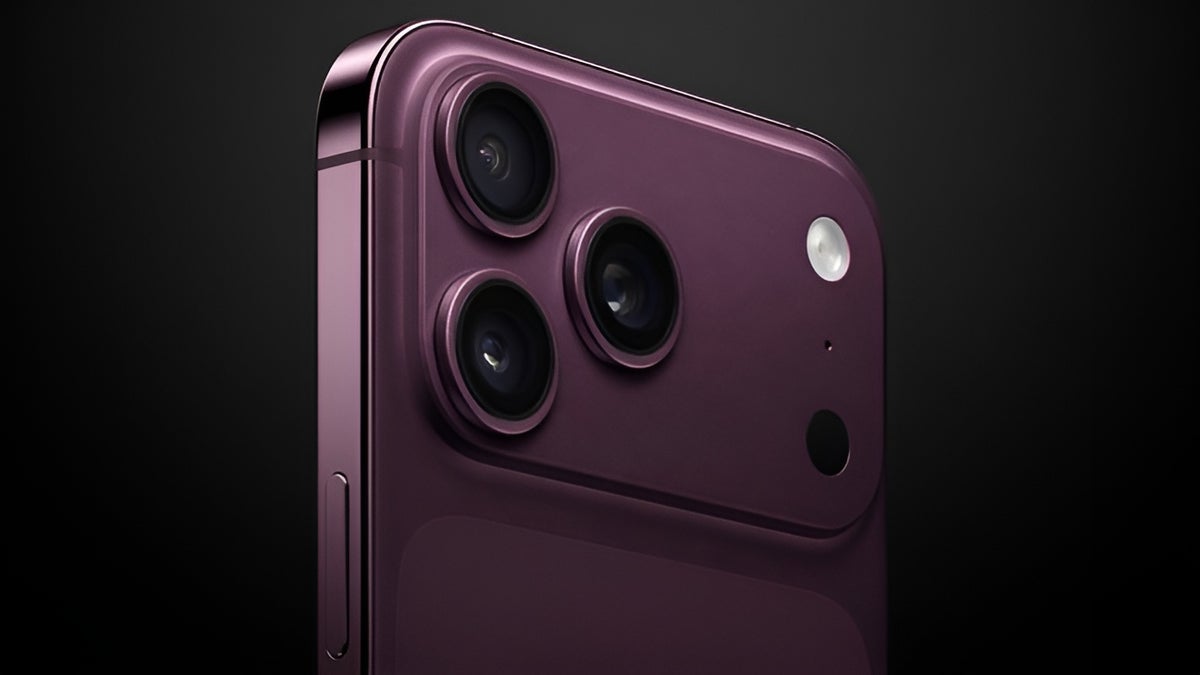
The article argues that Apple’s forthcoming iPhone 18 Pro and later iPhone 20 Pro could drive two industry-wide trends: cutout-free, under-display Face ID screens and more Liquid Glass-like user interfaces. It says major Chinese smartphone makers, plus Samsung and Android broadly, are already adopting similar design elements. The piece is opinionated rather than event-driven, so the likely market impact is limited.
Apple’s real leverage here is not aesthetics; it is standard-setting power over component roadmaps. If under-display biometrics and cutout-free panels become the reference design, the incremental gain accrues first to suppliers with the tightest process control in OLED, display driver ICs, and advanced packaging, while commoditized Android OEMs lose differentiation and are forced into a feature-parity race. The second-order effect is that premium handset ASP dispersion should compress over 12-24 months unless one vendor can pair the design shift with a meaningful software/services moat.
The more interesting risk is that the industry may be overestimating how quickly this transition converts into consumer demand. Borderless displays are an easy marketing win, but they do not automatically expand replacement cycles; if anything, a visually convergent market can slow upgrade urgency because “new” phones look less new. That creates a near-term tailwind for Apple’s halo and a medium-term headwind for Android flagship gross margins as competitors spend more on industrial design and UI polish without achieving meaningful pricing power.
For Apple, the catalyst path is longer than the headline suggests: even if the design thesis is validated, the monetization likely shows up in mix and retention before unit acceleration. The key reversal risk is execution failure on under-display sensing or thermal/yield issues that force design compromises, which would hand Android OEMs a window to differentiate on usability rather than imitation. In that scenario, the market could punish suppliers and OEMs that pre-committed capex to the wrong form factor.
Consensus is probably underpricing the losers, not the winner. The incremental alpha is in identifying Android names that rely on premium hardware identity but have weak ecosystem lock-in: they are most exposed if the market converges toward Apple-like industrial design while Apple captures the brand premium anyway.
AI-powered research, real-time alerts, and portfolio analytics for institutional investors.
Request DemoOverall Sentiment
neutral
Sentiment Score
0.10
Ticker Sentiment
