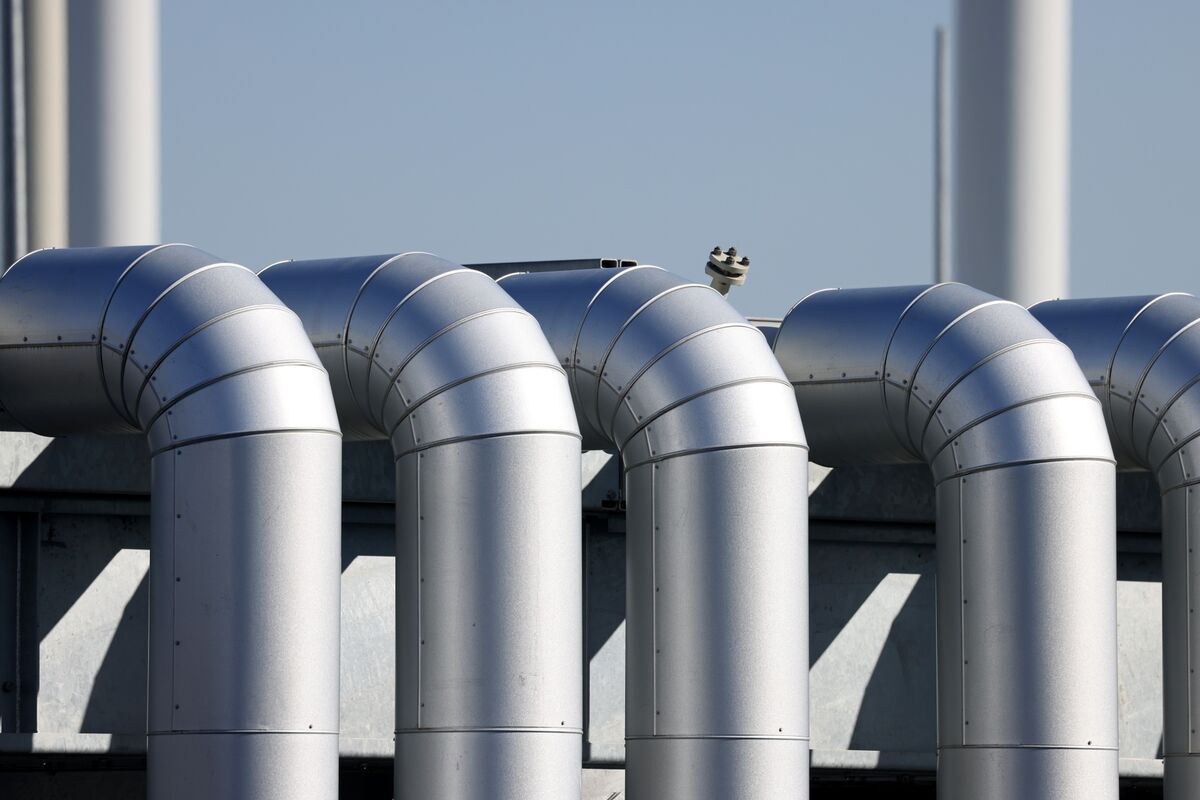
Lawmakers in the Muslim-Croat federation of Bosnia-Herzegovina voted to award a strategic gas pipeline project to AAFS Infrastructure and Energy, a contract estimated at hundreds of millions of dollars. The move advances efforts by US-linked investors — including a company with ties to former President Donald Trump — to build energy infrastructure and commercial ties in the Balkans. The development is regionally significant for energy and infrastructure exposure but is unlikely to move broader global markets.
A politically connected project in a small emerging-market jurisdiction tends to reassign value up the supply chain rather than to the local economy: engineering & EPC margins, long-lead pipe and compression OEMs, and regional banks that underwrite project debt capture most of the economic upside. Expect a concentrated, short-duration revenue bump for mid‑tier contractors (6–24 month mobilization) and a longer, lower-margin aftermarket opportunity for OEMs supplying compressors/valves over a 2–5 year horizon.
Key second-order dynamics are financing and compliance. If Western banks or insurers step back because of reputational or regulatory scrutiny, financing will rotate to non‑Western lenders (Russian/Chinese/GC funds) at higher spreads, increasing capex inflation and pushing completion timelines out by 6–24 months. Conversely, accelerated private financing from politically aligned investors compresses time-to-first-cash but raises counterparty and sanction tail risk.
Catalysts to monitor are threefold and time-hierarchical: (1) near term (days–weeks) — formal regulatory filings, EU/US statements or legal challenges that could pause contracting; (2) medium term (3–9 months) — financing announcements and first subcontract awards that validate revenue flow; (3) long term (9–36 months) — on‑the‑ground construction starts and interconnection permits. A reversal can come fast if major insurers or export-credit agencies withdraw support, converting a greenlight into a multi-year litigation and delay story.
The consensus framing as purely political capital misses the commercial arbitrage: politically backed deals often create attractive entry points into the niche pipeline supply chain but carry lumpy event risk. Position sizing should therefore target asymmetric, time‑limited payoffs (options or tight call spreads) rather than large, outright equity exposures that are vulnerable to political headlines.
AI-powered research, real-time alerts, and portfolio analytics for institutional investors.
Request DemoOverall Sentiment
neutral
Sentiment Score
0.00
