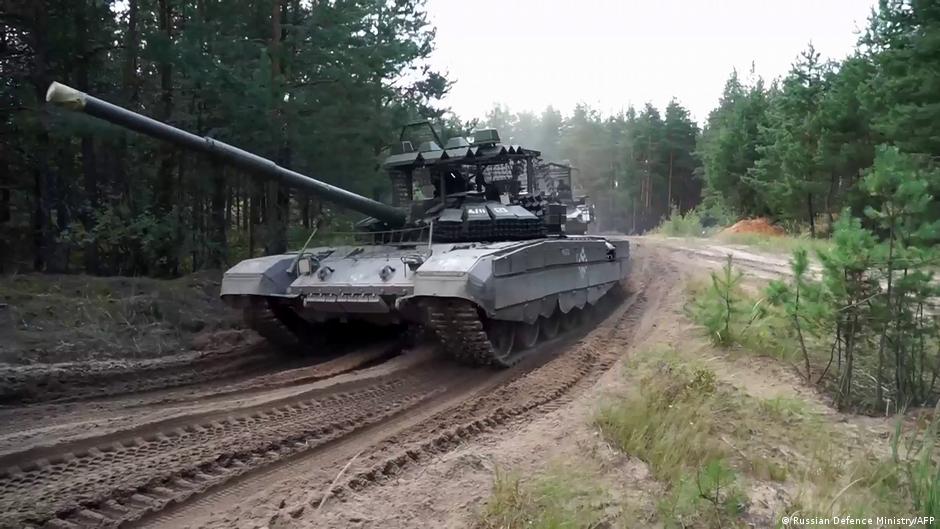
Russia and Belarus have initiated the "Zapad 2025" joint military exercise, simulating conflict and rehearsing missile strikes, including with nuclear-capable Oreshnik missiles, near key European borders. Occurring amid escalating regional tensions following Russia's war in Ukraine and recent incursions into NATO airspace, the drills are raising significant concerns among neighboring NATO members, particularly Poland, which has responded by closing its border and launching its own large-scale military exercises. The exercises are viewed with apprehension given Zapad 2021's precedent as a staging ground for the Ukraine invasion, highlighting increased geopolitical risk in the region.
The Zapad 2025 joint military exercises between Russia and Belarus represent a significant escalation in geopolitical risk for Eastern Europe and global markets. The drills are occurring in a context of heightened tension, immediately following a Russian drone incursion into Poland—a NATO member—and amid Russia's ongoing war in Ukraine. The precedent set by Zapad 2021, which served as a staging ground for the full-scale invasion of Ukraine, places neighboring NATO countries on high alert. The exercises' scope, which includes drills for nuclear-capable Oreshnik missiles and the use of advanced electronic warfare and AI, signals a preparation for high-intensity conflict. While official troop numbers are stated as under 13,000, this figure is met with skepticism given the 200,000 participants in 2021, suggesting a potential for deliberate misinformation. Poland's material response—closing its border with Belarus and launching its own 30,000-troop "Iron Defender" exercise—underscores the perceived gravity of the threat, with its Prime Minister labeling the situation the closest point to "open conflict" since World War II. This confluence of military posturing and direct provocations creates a highly volatile environment with a non-trivial probability of miscalculation or further escalation.
AI-powered research, real-time alerts, and portfolio analytics for institutional investors.
Request DemoOverall Sentiment
extremely negative
Sentiment Score
-0.85
