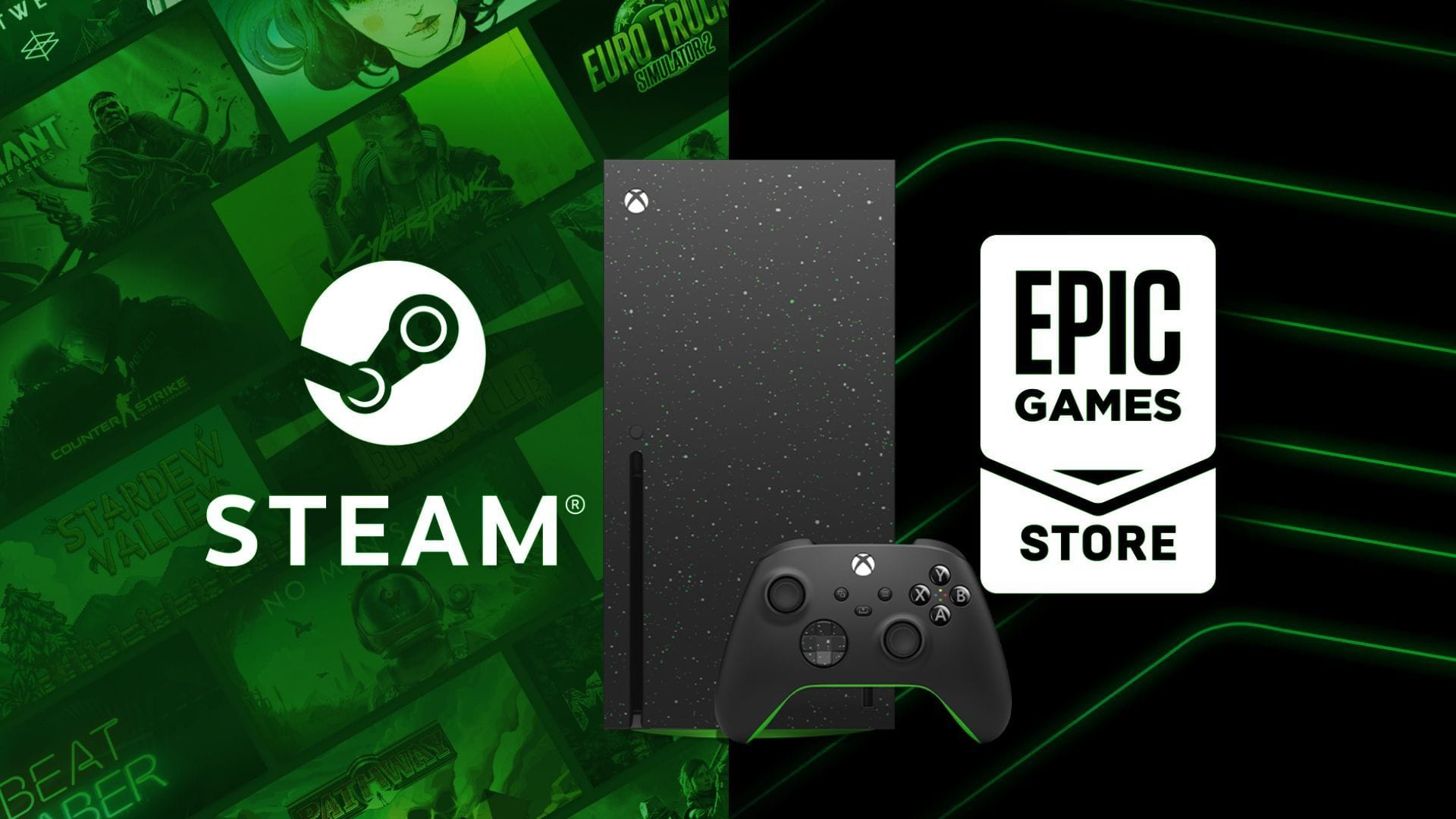
A rumored 2027 Xbox is reported to run an OS similar to Windows that would allow support for third-party digital storefronts such as Steam, Epic Games Store and GOG, potentially removing store exclusivity and broadening distribution choices for developers. Xbox president Sarah Bond has reportedly confirmed plans and the device is said to offer full backward compatibility across original Xbox, Xbox 360, Xbox One and Series X/S libraries — a potentially transformative shift for distribution and pricing dynamics, though the reports remain speculative and unlikely to be immediately market-moving.
Market structure: Opening Xbox to Steam/Epic/GOG would shift value from closed-console storefront margins to platform-agnostic discovery and services. Winners: MSFT (MSFT) for OS/Services and cloud (potential +5–15% incremental TAM over 3–5 years), NVDA/AMD for server and client silicon; losers: SONY (SONY) on exclusivity pricing power and standalone console software margins. Expect downward pressure on Xbox storefront take-rates but higher Game Pass adoption and cross-sell; pricing power shifts to developers and PC storefronts, compressing per-title gross margins by an estimated 100–300bps industry-wide over 2–4 years.
Risk assessment: Tail risks include regulatory action (EU/US forcing parity rules or anti-competitive probes) and operational failure (security/compatibility bugs) that could delay launch by 12–24 months or force higher dev fees. Immediate (days-weeks) effects are sentiment-driven; short-term (months) dependent on developer/partner announcements; long-term (2026–2028) on subscription monetization and hardware cycles. Hidden dependencies: backend cloud GPU capacity, third-party store SDK integrations, and publisher contract renegotiations—each can materially change economics.
Trade implications: Tactical long exposure to MSFT with phased sizing now and on confirmation, paired with long NVDA (cloud GPU beneficiary) and selective short/put exposure to SONY to express displaced exclusivity risk. Use 6–18 month option structures to express asymmetric upside (MSFT call spreads, NVDA call buys) and protective SONY put spreads to limit capital. Rotate modest exposure from pure console suppliers/retailers into cloud, services, and GPU suppliers.
Contrarian angles: Consensus assumes MSFT sacrifices store revenue; alternative view: broader discoverability could raise Game Pass LTV >10% by increasing install base and ancillary purchases. Historical parallel: Android’s multi-store model grew ecosystem share while reducing individual store rents — but also increased fragmentation and piracy risk. Unintended consequences: UX fragmentation could slow consumer adoption, creating a 12–36 month window where incumbents (Sony) regain ground via exclusive content or better UX.
AI-powered research, real-time alerts, and portfolio analytics for institutional investors.
Request DemoOverall Sentiment
neutral
Sentiment Score
0.10
Ticker Sentiment
