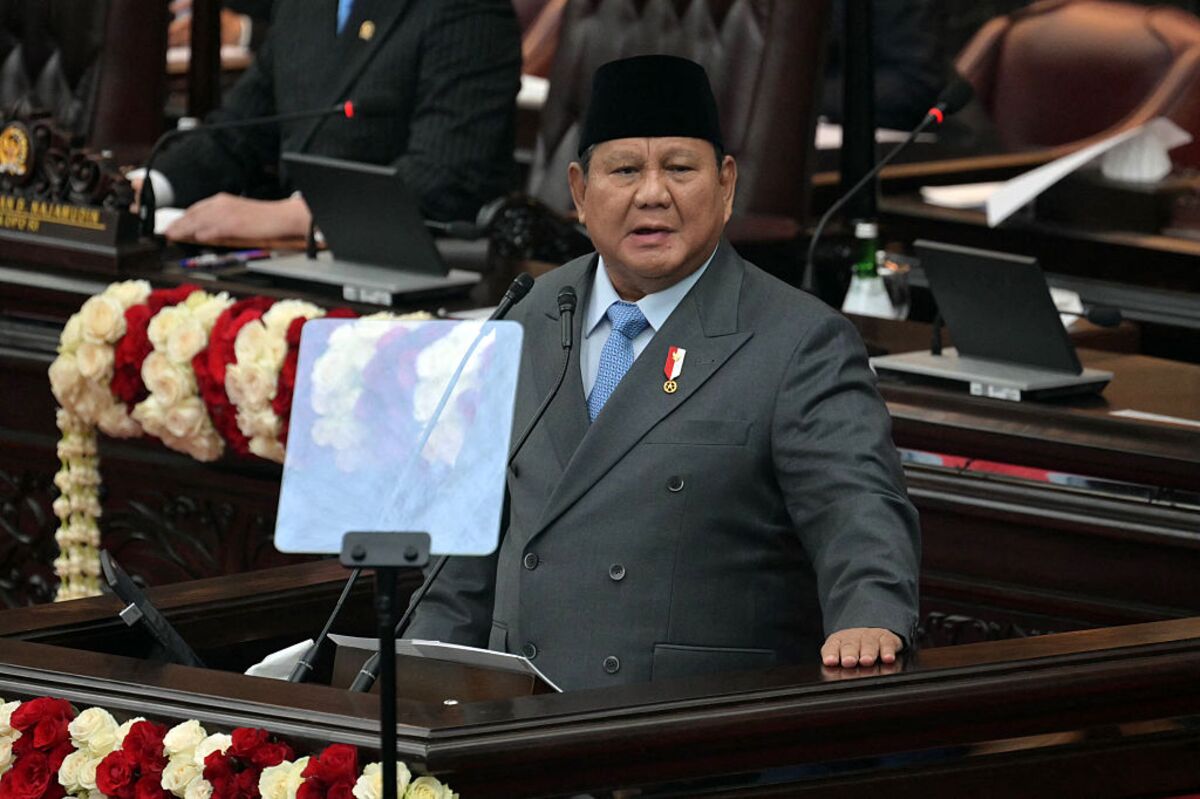
Indonesia appears to be stabilizing after President Prabowo Subianto made swift, large economic changes that jolted markets. The article frames his approach as more pragmatic—aiming for “boring” policy—to help soothe worried investors. Specific policy numbers were not provided, but the shift suggests easing risk sentiment rather than fresh economic deterioration.
This is primarily a discount-rate story, not an earnings story. When policy shock risk fades, the first beneficiaries are the parts of the market most exposed to foreign flows and domestic duration: banks, property, and the sovereign curve. That means the real upside is probably in liquid Indonesia beta rather than in single-name headlines, because lower policy volatility can tighten funding spreads and support multiple expansion before fundamentals visibly improve.
The second-order loser is anything whose valuation assumed a continuing fiscal/administrative push from the prior regime of surprises. If the government is now opting for predictability, sectors that had been trading on policy acceleration may underperform on relative growth expectations even as the broad index rebounds. The important watchpoint is whether the calm is backed by consistent budget execution and central-bank discipline; if not, this is just a short-covering rally.
Time horizon matters. In the next few days, the move is mostly sentiment and positioning. Over 1-3 months, foreign flows and rupiah stabilization could matter more than local earnings revisions; over 6-18 months, a credible "boring" regime would compress the Indonesia risk premium structurally. What would falsify the thesis is renewed policy surprise, a weaker rupiah, or a backup in sovereign yields that forces Bank Indonesia to stay tighter for longer.
AI-powered research, real-time alerts, and portfolio analytics for institutional investors.
Overall Sentiment
neutral
Sentiment Score
0.10
Ticker Sentiment
