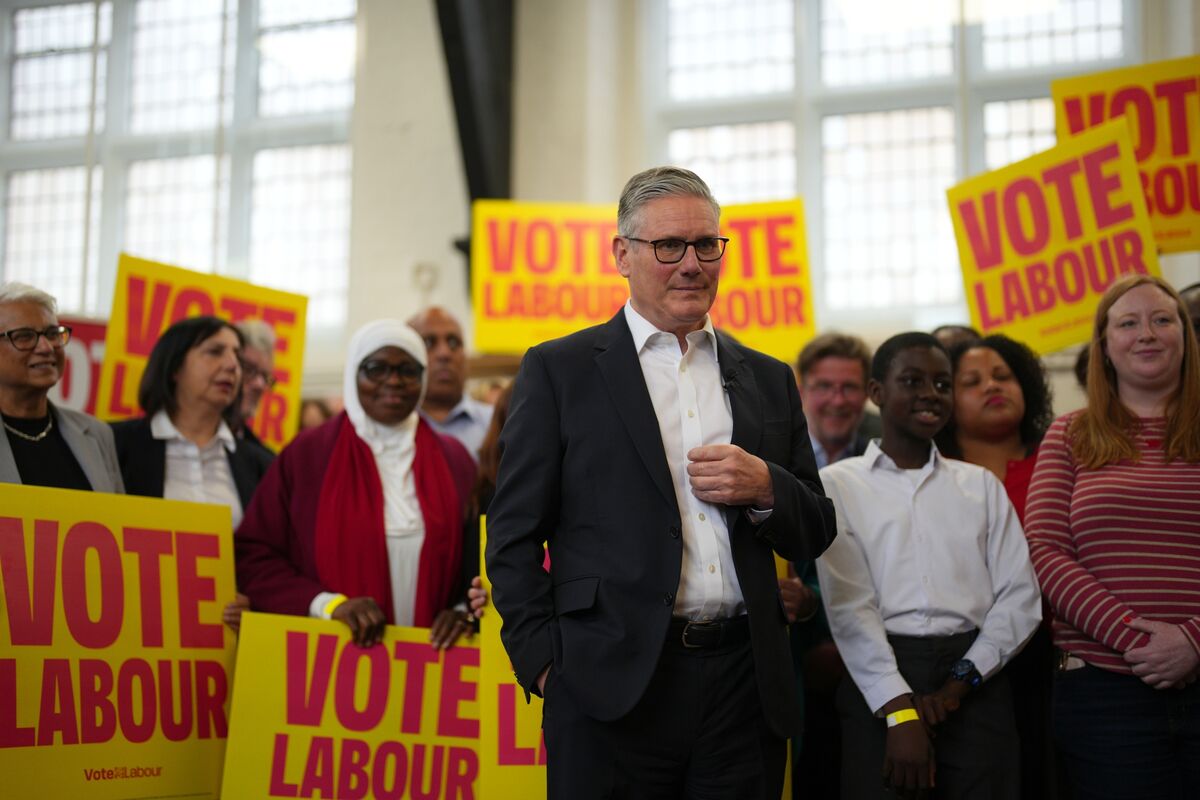
The article highlights rising doubts over Keir Starmer’s future as UK prime minister, with Labour insiders debating possible successors amid weak poll numbers, costly policy U-turns, and the fallout from Peter Mandelson’s appointment as ambassador to the US. A poor set of local election results could intensify leadership speculation. The piece is politically significant but has limited direct market impact.
The market implication is less about the identity of the replacement and more about the likelihood of policy drift becoming institutionalized. When a governing party starts debating succession before the next major policy reset, the expected discount on execution rises: procurement delays, slower approvals, and a higher probability of “announce first, clarify later” governance. That tends to favor defensive cash-generative UK large caps over domestic cyclicals, because the latter are more exposed to policy confidence and capex timing rather than headline GDP.
Second-order, the biggest loser is the UK’s policy premium in sectors that need multi-year regulatory stability: housing, utilities, infrastructure, and private capital allocation to UK assets. A weakened leader also amplifies the risk of intra-party concessions to factions that push for fiscal looseness without credible growth offsets, which can steepen the long end of gilts and raise the equity risk premium for domestic financials. If local election pressure intensifies, the regime may overcorrect with visible but low-multiplier initiatives, which helps sentiment briefly but worsens medium-term credibility.
The contrarian read is that leadership fear can catalyze more discipline, not less. A threatened incumbent often recentralizes decision-making, reduces policy churn, and becomes more market-sensitive in the near term; that creates a tactical window where the “crisis” is less damaging than consensus expects. The setup is therefore asymmetric over 1-3 months: immediate relief rallies are possible on any sign of internal unity, but the bigger risk is a slow bleed in foreign capital confidence if the narrative of fragility persists into the next fiscal cycle.
AI-powered research, real-time alerts, and portfolio analytics for institutional investors.
Request DemoOverall Sentiment
moderately negative
Sentiment Score
-0.35
