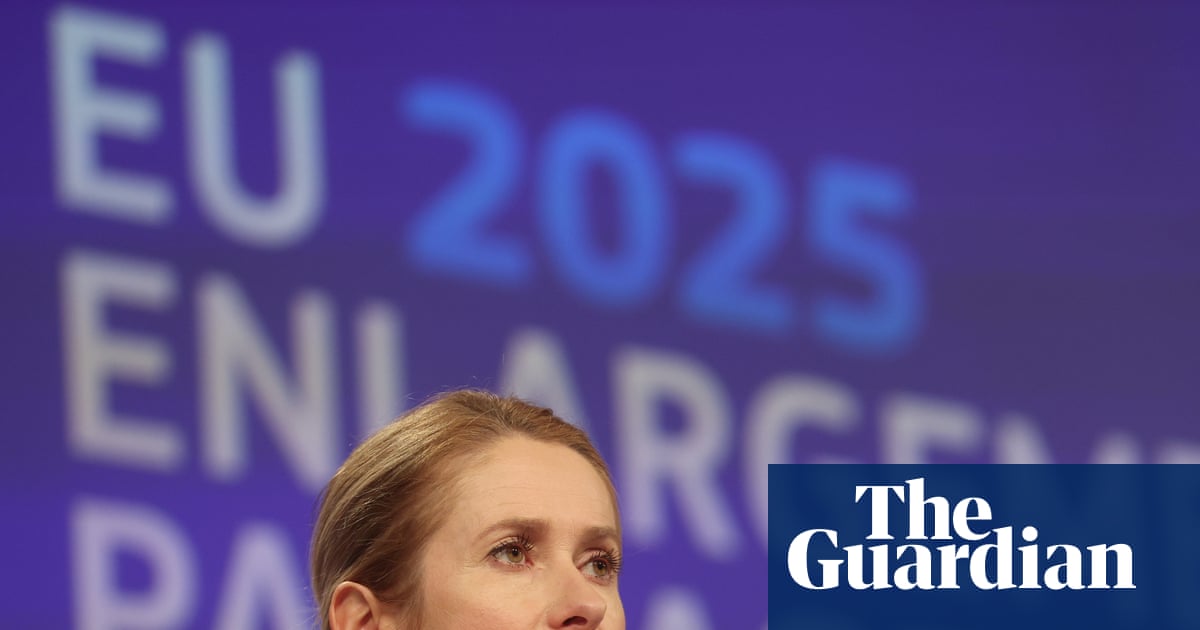
The European Union's foreign policy chief indicated that new members could be admitted by 2030, with Montenegro and Albania identified as frontrunners due to reform progress, and Moldova also showing significant advancement. However, Serbia faces criticism for democratic backsliding, and Georgia's candidacy is deemed nominal. While Ukraine aims for pre-2030 entry, its potential accession presents substantial financial and structural challenges for the EU, particularly concerning reconstruction needs and the impact on existing member states' funding, prompting discussions about internal EU reforms, such as abolishing veto power, to facilitate future enlargements and strengthen the bloc's geopolitical standing.
The European Union's foreign policy chief has indicated a realistic target for new member admissions by 2030, driven by the geopolitical imperative stemming from Russia's invasion of Ukraine. This renewed enlargement momentum is seen as crucial for strengthening the EU's global geopolitical standing and addressing the changing world order.
Montenegro and Albania are identified as frontrunners, having made significant reform progress, with Moldova also showing substantial advancement despite continuous hybrid threats. Conversely, Serbia faces criticism for democratic backsliding and anti-EU rhetoric, while Georgia's candidacy is deemed nominal due primarily to human rights concerns and a controversial 'foreign agents' law.
Ukraine's ambition for pre-2030 entry presents significant financial and structural challenges for the EU, particularly concerning its extensive reconstruction needs and potential impact on net recipient states like Poland. Discussions are underway regarding internal EU reforms, such as abolishing the unanimity veto, to facilitate future enlargements and bypass current blocks like Hungary's stance on Ukraine and Moldova's accession talks.
AI-powered research, real-time alerts, and portfolio analytics for institutional investors.
Overall Sentiment
mixed
Sentiment Score
0.00
