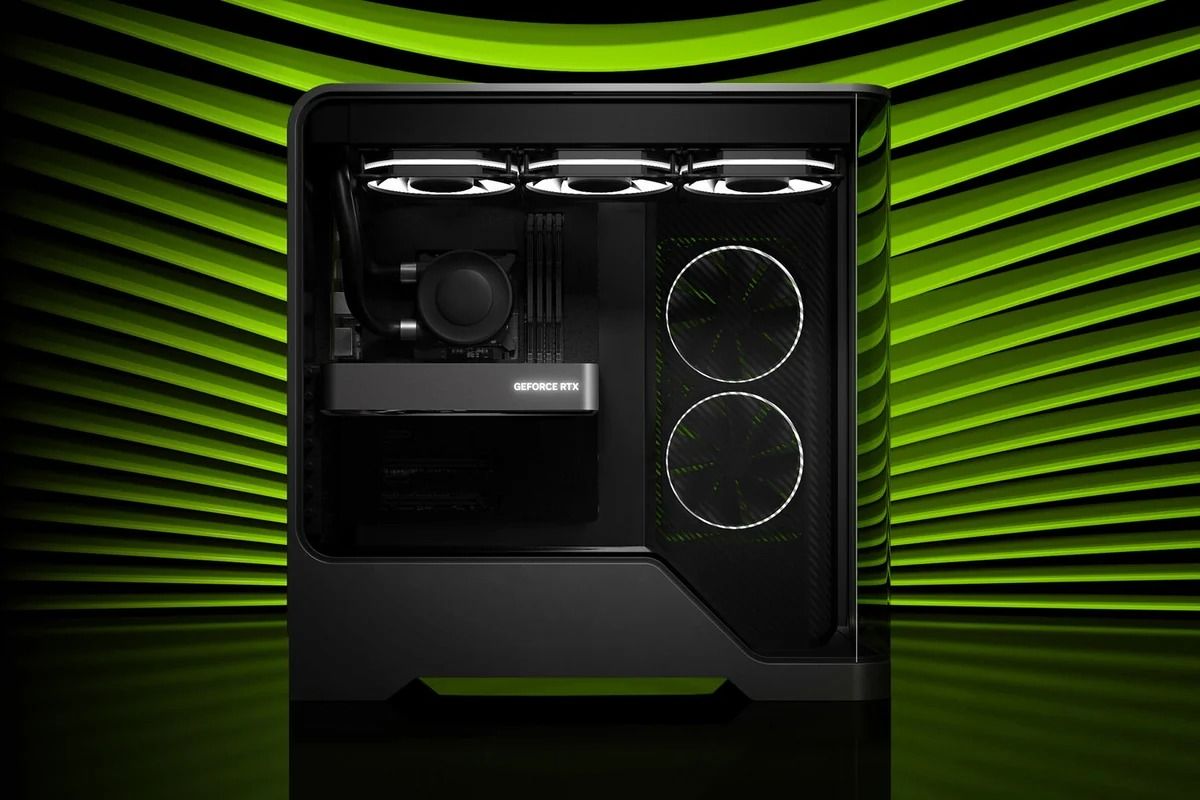
Nvidia is reissuing the discontinued GeForce RTX 3060 as a stripped-down 8 GB GDDR6 variant, with production restarted and first shipments to hardware manufacturers expected between March 10 and March 20. Retail availability and pricing are not yet announced; supply is expected to be limited and Nvidia partners will source memory chips independently due to a global memory shortage. The move may alleviate some mid-range GPU demand pressure and appeal to budget-conscious gamers and upgraders, but overall market impact is likely modest given constrained supply and no pricing guidance.
The immediate market read that this is a consumer-focused stopgap misses the supply-chain leverage: by forcing AIB partners to source GDDR6 on the open market, Nvidia effectively arbitrages scarce commodity inventory into branded SKUs, shifting price discovery to memory vendors and spot channels. That transfers margin and inventory risk away from Nvidia to partners and memory suppliers — expect short-term price uplifts for mature-node GDDR6 (order-of-magnitude: single- to low-double-digit percentage increases in spot bids) and a tighter used-GPU market as OEMs hoard or buy at premiums.
Second-order winners are memory fabs and spot liquidity providers; losers are midstream AIBs and retailers who bear sourcing volatility and potential margin compression (MSRP squeeze if partners must absorb higher memory costs). From a timing lens, most of this plays out in weeks-to-months as shipments hit channel (first 30–60 days) and used-market downward pressure materializes over 1–3 months; longer-term (6–18 months) effects hinge on whether memory supply normalizes through wafer/capacity reallocation.
Tail risks: a rapid ramp of legacy DRAM/GDDR capacity or a negotiated supplier relief (Micron/SK Hynix emergency allocation) would reverse the price shock within 1–3 quarters; conversely, if geopolitical export controls or foundry bottlenecks persist, the stopgap could become recurring and force broader SKU reincarnations. Watch three catalysts on short notice: memory spot price prints, Nvidia partner inventory disclosures, and Micron/Hynix commentary on GDDR6 backlog — each can flip the narrative within earnings cycles.
Contrarian read: markets will underprice the hit to AIB margins and the used-GPU price cascade; but they may also under-appreciate Nvidia’s optionality — this maneuver lets Nvidia keep install-base momentum without capex, protecting mid-range share against AMD/Intel in 2–4 quarters. Net: NVDA’s high-level financials are unlikely to move much, but upstream memory equities and thin-margin AIBs will see outsized volatility tied to short-term inventory dynamics.
AI-powered research, real-time alerts, and portfolio analytics for institutional investors.
Request DemoOverall Sentiment
neutral
Sentiment Score
0.08
Ticker Sentiment
