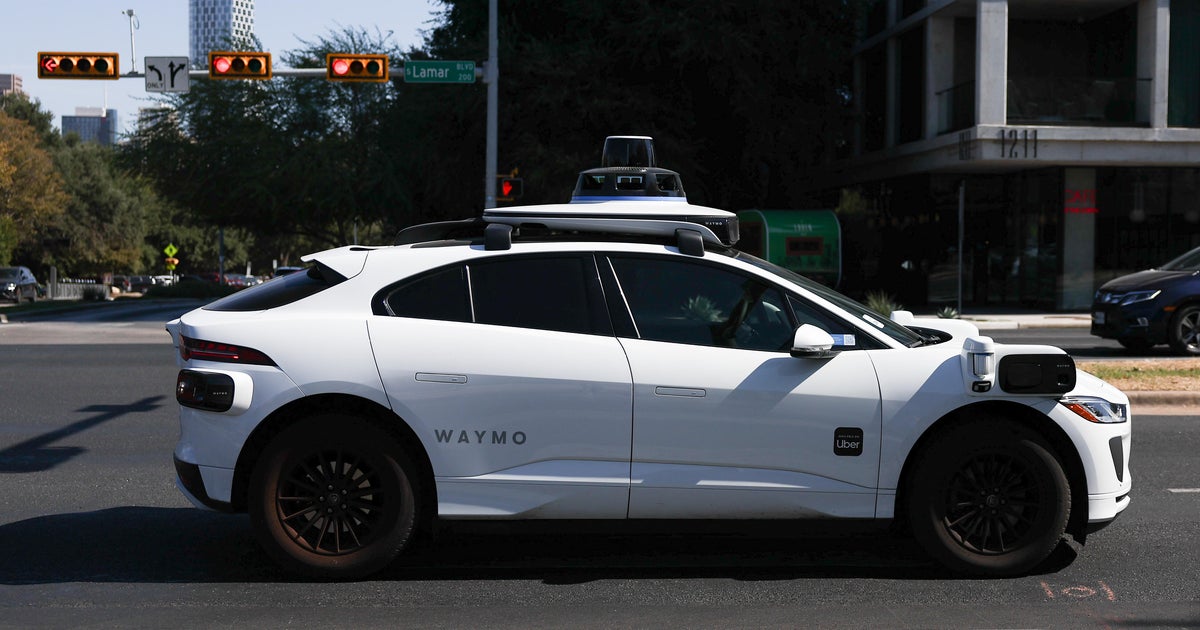
Federal regulators (NHTSA) have expanded an investigation into Waymo after reports that its autonomous vehicles illegally passed stopped school buses in Austin and Atlanta; the Austin Independent School District reported 20 incidents this school year and sought a partial operational pause that Waymo declined. Waymo says it identified a software issue, deployed updates on Nov. 17, and will file a voluntary software recall next week, while defending its broader safety record; the probe and local citations create reputational and regulatory risk for Waymo/Alphabet and could constrain deployments or prompt further oversight across its multi-city driverless operations.
Market structure: The NHTSA probe and 20+ citations in Austin materially compress Waymo’s near-term TAM expansion — expect city rollouts to slow by ~20–40% over the next 6–12 months as municipalities add constraints. Short-term winners are human-driver ride-hail incumbents (UBER, LYFT) and legacy insurers; losers are Waymo/Alphabet’s mobility growth narrative and smaller AV suppliers that lack balance-sheet depth to absorb regulatory-driven delays. Cross-asset: expect a 3–7% knee-jerk rise in GOOGL implied volatility, modest credit-spread widening for high-yield AV suppliers, and no meaningful commodity impact.
Risk assessment: Tail risk includes a fatality or fleet grounding that could force city suspensions and push Waymo’s rollout timeline out by 12–24 months, shaving potential mobility revenue growth by an estimated 30–60% vs. current internal targets. Immediate (days): 2–5% stock swings and IV spikes; short-term (weeks–months): elevated opex/compliance and higher insurance costs; long-term (quarters–years): reputational drag that slows merchant partnerships and monetization. Hidden dependencies: public trust, municipal politics, and insurer underwriting cycles; catalysts: adverse NHTSA findings or conversely rapid recall fixes and municipal approvals.
Trade implications: Use option hedges to protect GOOGL exposure while buying selective ride-hail longs. Pair trades favor UBER/LYFT long vs. GOOGL short on a 3–6 month horizon if citations/negative headlines continue; reduce exposure to pure-play AV suppliers lacking profitable core businesses. Time entries around NHTSA milestones — watch for the voluntary recall announcement and NHTSA findings within 30–90 days.
Contrarian angles: Consensus overweights headline risk and underweights Waymo’s statistical safety improvements (5x reduction claim), meaning implied volatility could be overstated and create buying opportunities on share weakness. Historical parallel: aviation/autopilot scares produced short-term regulatory shocks but secular adoption continued; Alphabet’s deep pockets make permanent market-share loss less likely — regulatory tightening may in fact raise barriers to entry and entrench large-cap incumbents over 12–36 months.
AI-powered research, real-time alerts, and portfolio analytics for institutional investors.
Request DemoOverall Sentiment
moderately negative
Sentiment Score
-0.45
Ticker Sentiment
