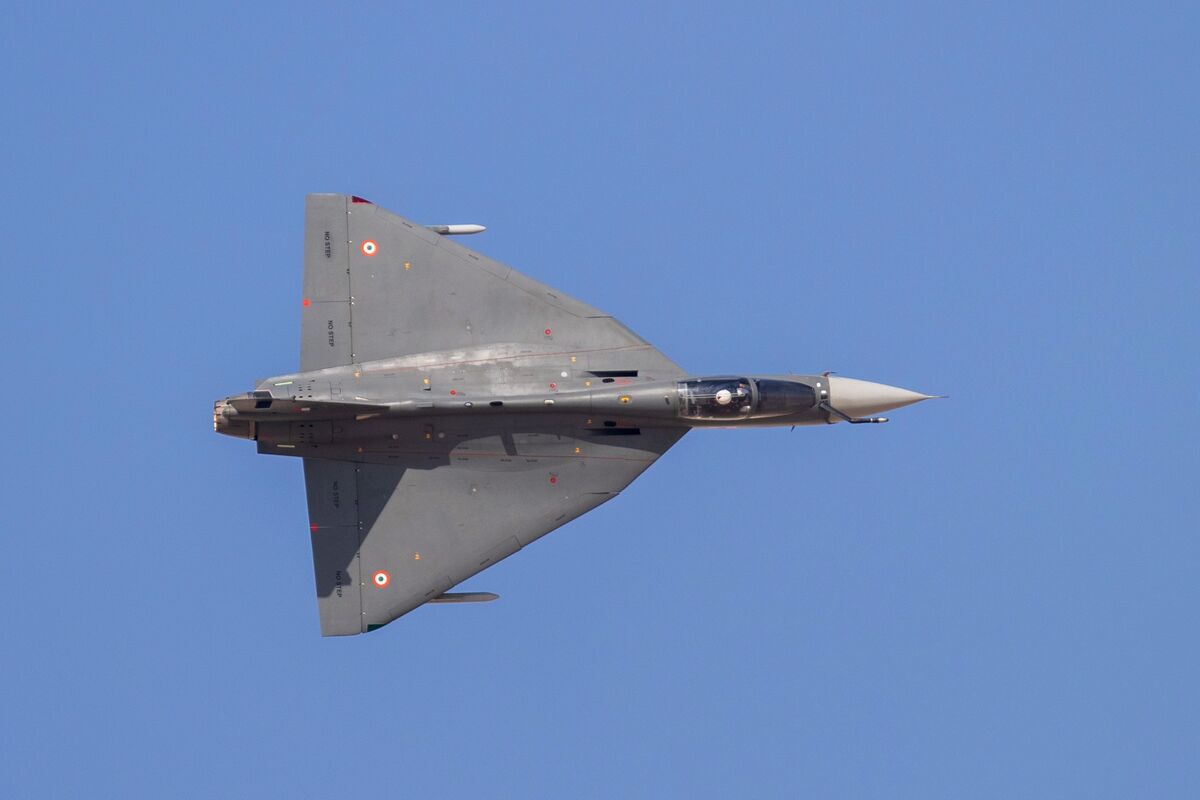
India is pressing to localize defense production and build surge capacity after lessons from the 36-day Iran war, according to Navy Chief Dinesh Kumar Tripathi. Indian warships in the Gulf are monitoring the conflict and the armed forces are compiling supply-chain and resilience lessons to scale domestic defense manufacturing in future crises.
A credible push to shift defense procurement toward domestic supply chains creates a multi-year capex cycle that is front-loaded into manufacturing, testing, and systems integration rather than platform purchases. Expect large OEMs to subcontract much of the value chain to smaller domestic suppliers, which amplifies demand for precision machine tools, specialty composites, avionics components, and test labs — categories that typically show 18–30 month lead times from order to scaled output.
Second-order winners are granular: engineering services and systems integrators (software-defined weaponry, cybersecurity, and mission systems) plus local electronics fabs and contract manufacturers that can meet defense QA standards. Conversely, incumbents that derive >20% of revenue from direct platform exports to the market in question face structural share risks over a 3–7 year window as localization thresholds and offset clauses bite.
Key timing: policy announcements and first tranche contracts will move valuations within months, but meaningful import substitution requires 3–5 years of sustained orders and skills development. Tail risks that would reverse the trade include rapid diplomatic de-escalation, fiscal tightening that re-prioritizes social capex, or an inability to scale specialty semiconductors and precision optics — any of which could stall the supply-chain rebalancing and compress multiple expansion assumptions.
AI-powered research, real-time alerts, and portfolio analytics for institutional investors.
Request DemoOverall Sentiment
mildly positive
Sentiment Score
0.15
