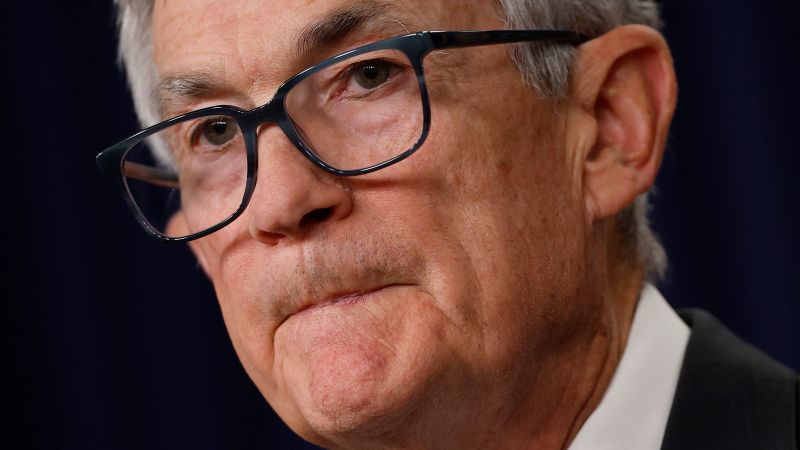
The Federal Reserve is widely expected to announce its first interest rate cut since December, driven by a significantly weakening labor market, with job growth averaging only about 29,000 in recent months, and officials' belief that tariff-related inflation, which saw CPI rise 2.9%, will be temporary. This pivotal policy shift occurs amidst unprecedented political dynamics, including the swift confirmation of Trump ally Stephen Miran to the Board of Governors, enabling him to vote, and a court-blocked attempt to remove Governor Lisa Cook, underscoring persistent administration pressure on the central bank's independence.
The Federal Reserve is poised for a significant policy pivot, with a rate cut widely expected at its upcoming meeting, marking the first such move since December. This shift is primarily driven by mounting evidence of a deteriorating U.S. labor market, where job growth has slowed to an anemic average of 29,000 per month over the summer, and leading indicators like jobless claims have risen to a near four-year high. Despite a 2.9% year-over-year increase in the August Consumer Price Index, Fed officials appear to be looking past this inflation, attributing it to the temporary effects of tariffs and expressing confidence that these pressures will fade. This economic rationale, however, is set against a backdrop of unprecedented political intervention. The administration's influence is highlighted by the swift confirmation and immediate voting eligibility of its economic adviser, Stephen Miran, to the Fed's Board, and the legally-contested attempt to remove Governor Lisa Cook, creating an extraordinary level of uncertainty and pressure on the central bank's institutional independence.
AI-powered research, real-time alerts, and portfolio analytics for institutional investors.
Overall Sentiment
mildly negative
Sentiment Score
-0.20
