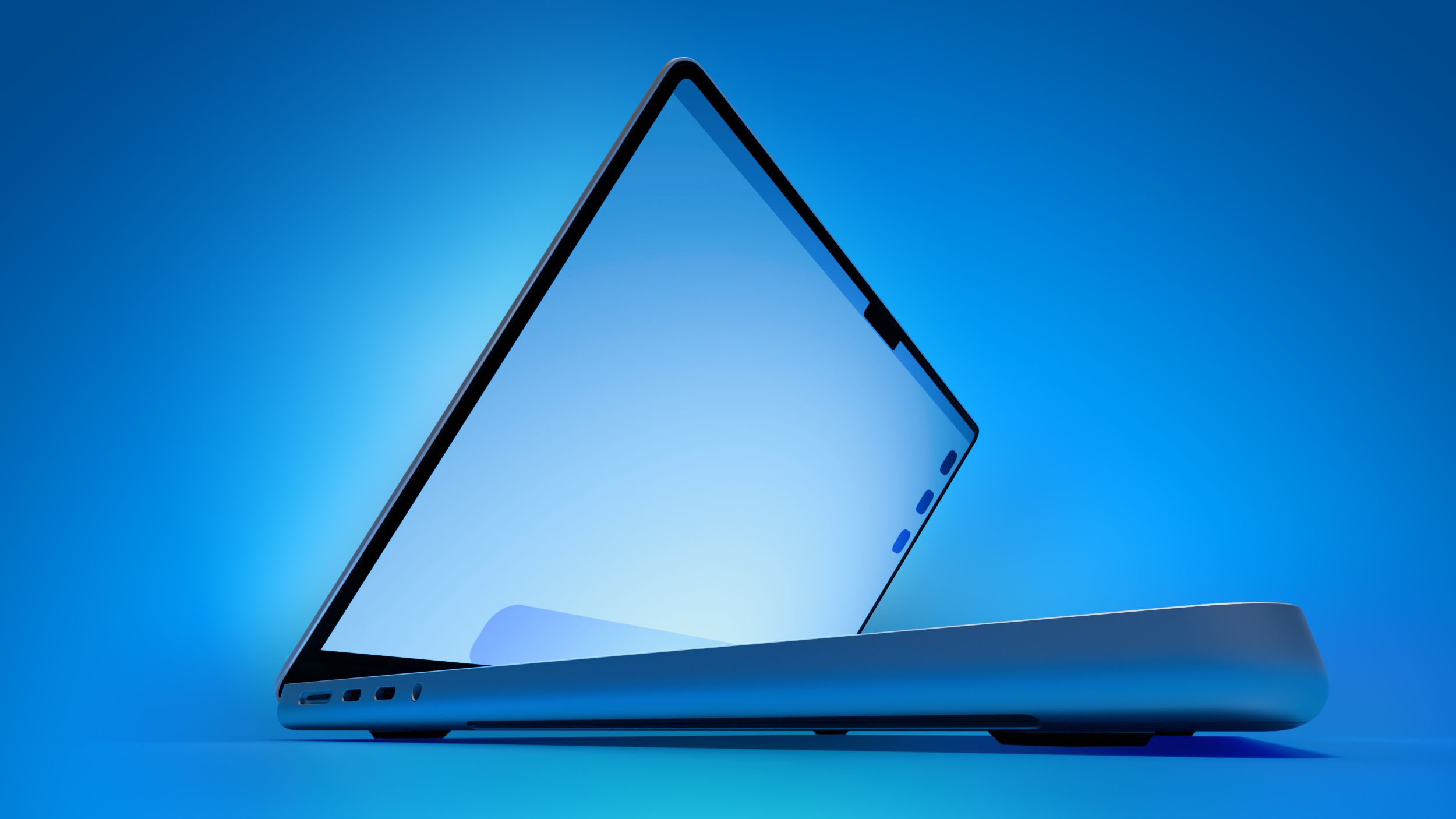
Apple is testing a slight redesign for macOS 27 aimed at improving readability and fixing Liquid Glass transparency/shadow issues, but the changes appear incremental rather than major. The company is also testing an AI-powered Safari feature that can automatically organize tabs into groups, expected to extend across macOS 27, iOS 27, and iPadOS 27. macOS 27 is slated for unveiling at WWDC 2026 on June 8, with a developer beta likely to follow immediately and general release expected in September.
This reads less like a product-event catalyst and more like a quality-control repair cycle. The near-term market effect is probably modest because cosmetic UI issues rarely move units, but improving readability can materially reduce user frustration in high-frequency workflows, which matters for retention and default-browser inertia over time. For Apple, the second-order value is not the redesign itself; it is preserving the premium halo of the platform while avoiding an accumulated-tax on user satisfaction that can leak into app engagement and ecosystem stickiness.
The more interesting catalyst is the AI tab-organizing feature because it targets a real pain point with measurable behavioral upside: lower cognitive load increases the probability that Safari remains the active browser rather than a passive default. If Apple can raise daily browser session efficiency, that supports higher search and ad-value capture indirectly through usage duration and tab persistence, while also making the Apple ecosystem feel more integrated versus Chrome’s cross-platform convenience. The risk is execution quality: if automation feels intrusive or misclassifies user intent, adoption will stall and the feature becomes a novelty rather than a habit-former.
From a competitive standpoint, this is modestly negative for standalone productivity/browser ecosystems that rely on multitabbing workflows and cross-device sync as their wedge. The bigger winner may be Apple’s Services flywheel, because incremental engagement improvements compound across device lock-in, iCloud usage, and first-party app attach rates. The contrarian view is that the market may be overestimating the monetization path from AI features on the OS layer; unless Apple proves meaningful retention and usage lift within 1-2 quarters after launch, this remains more of a UX defense than an earnings growth driver.
AI-powered research, real-time alerts, and portfolio analytics for institutional investors.
Request DemoOverall Sentiment
neutral
Sentiment Score
0.12
Ticker Sentiment
