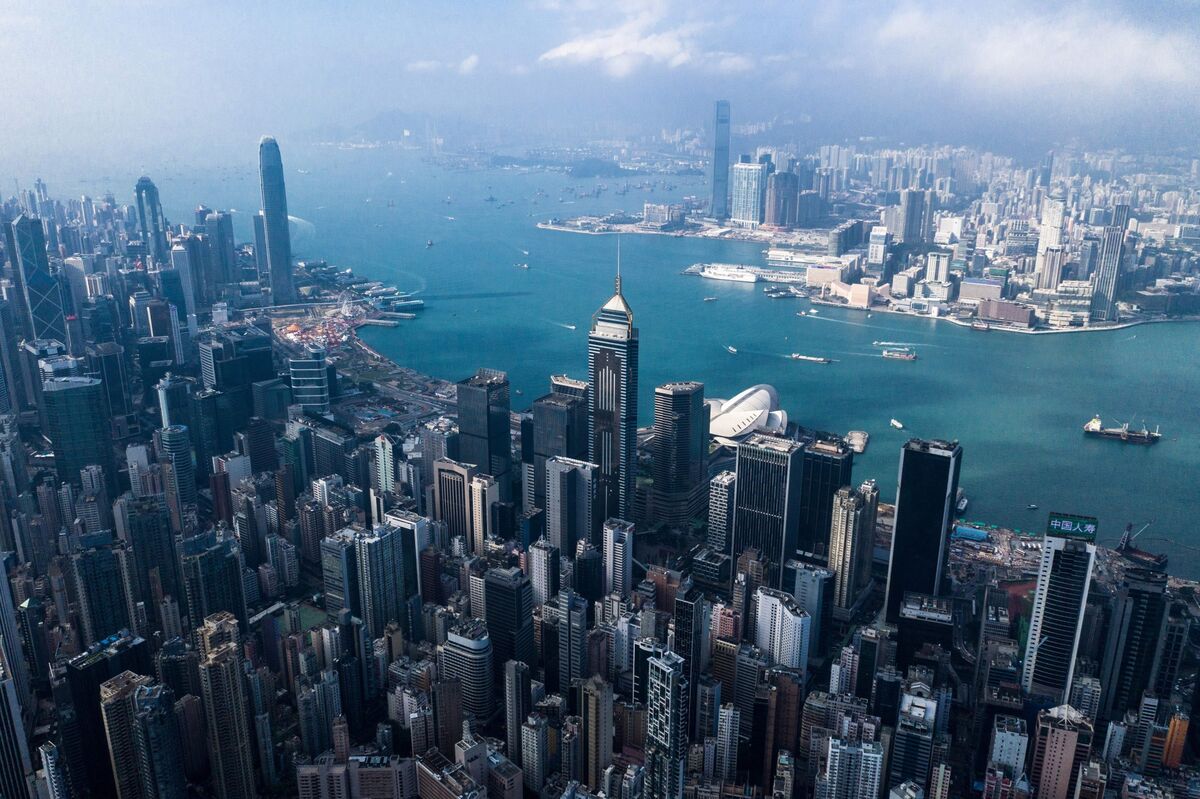
Hong Kong has overtaken Switzerland as the world’s largest cross-border wealth hub, with offshore assets booked in the city rising 10.7% to $2.9 trillion in 2025. BCG expects the gap to widen to nearly $600 billion by 2030, supported by mainland Chinese capital inflows, China’s manufacturing dominance, and a revival in Hong Kong’s IPO market. The story is positive for Hong Kong’s wealth-management and capital-markets ecosystem, though the broader market impact is likely limited.
Hong Kong becoming the primary offshore booking center is less about one city winning and more about the plumbing of Asian capital reallocating toward jurisdictions with the deepest access to mainland balance sheets. The second-order beneficiary set is broader than local banks: brokers, prime services, IPO underwriters, exchange operators, and wealth platforms that can intermediate mainland family-office and entrepreneur capital all gain operating leverage as asset velocity rises. The most important signal is that the flow is being reinforced by local equity performance, which creates a feedback loop where rising mark-to-market wealth supports more listings, more placements, and more fee generation. The key risk is that this is a flow-driven thesis, not a pure fundamental re-rating, so it can reverse faster than most investors expect if mainland policy tightens, Hong Kong market liquidity deteriorates, or the IPO window closes. Because the incremental capital is disproportionately concentrated, a modest shift in capital controls, property confidence, or regional geopolitics could flatten the trend within 1-2 quarters even if long-term wealth migration remains intact. Also, if China’s domestic markets stabilize enough to reduce the need for offshore booking, Hong Kong’s role as the preferred warehouse for external wealth could cap out before the 2030 consensus path. The contrarian point is that the market may be underestimating how much of the opportunity accrues to service providers rather than the broad index. If investors are buying Hong Kong beta, they may be late to the cleaner expression: monetization of wealth inflows through fees, custody, and capital raising activity, which should outperform simple exposure to local property or banks. The best setup is to own the instruments with operating leverage to issuance and transaction volumes while hedging the macro and policy sensitivity embedded in the broader Hong Kong complex.
AI-powered research, real-time alerts, and portfolio analytics for institutional investors.
Request DemoOverall Sentiment
moderately positive
Sentiment Score
0.35
Ticker Sentiment
