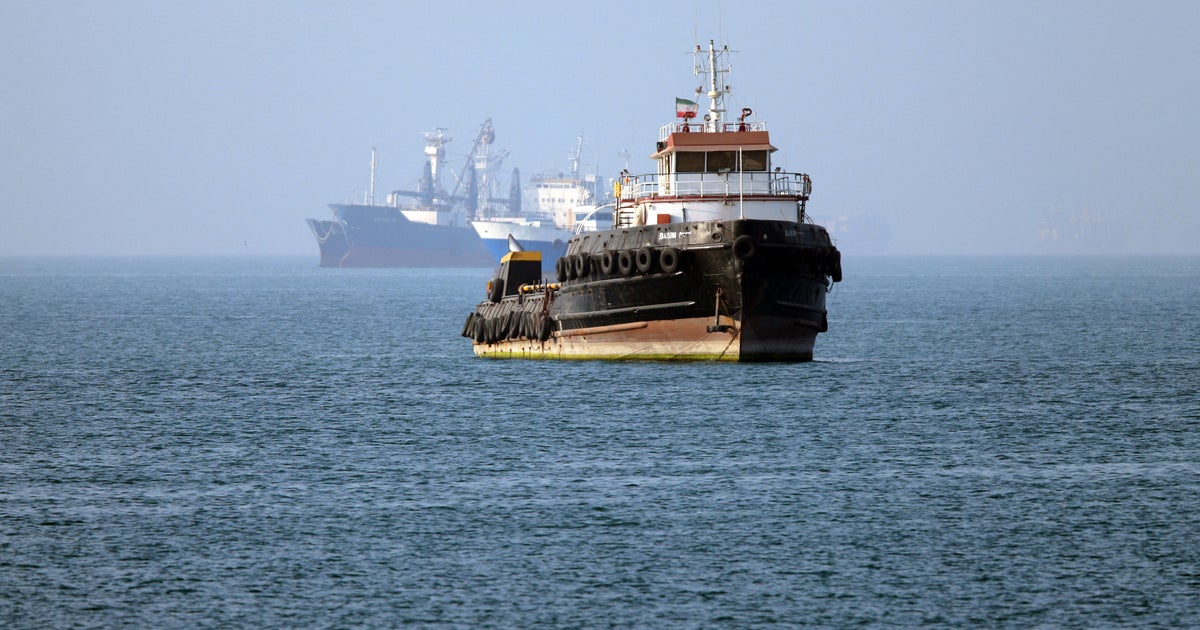
Trump paused Project Freedom after just one day, saying there was "great progress" toward a complete and final peace agreement with Iran, while the blockade on the Strait of Hormuz remains in force. Iran has not publicly responded, but the article says its forces attacked vessels and the UAE after the operation began, underscoring continued risk to a shipping lane that handles vital energy flows. The U.S. and Gulf allies are also pursuing a U.N. resolution that could lead to sanctions if Iran keeps threatening navigation.
The market should treat this as a de-escalation that is more tactical than structural. The immediate beneficiary is not “peace” but lower implied probability of a worst-case shipping disruption, which should compress energy volatility, freight risk premia, and defense/event-driven tail hedges. The biggest second-order winner is the global tanker and LNG complex: if escort regimes become routinized or jointly administered by regional actors, the trade becomes less about outright blockade risk and more about persistent operating friction, which is bearish for spot rates but supportive for long-duration charter visibility.
The more interesting read is that leverage has shifted from kinetic escalation to legal/institutional leverage. A sanctions or U.N. process that frames shipping as “regulated” rather than “closed” creates a softer but more durable mechanism for Iran to extract concessions, which is harder to price than headline attacks. That usually means the immediate panic bid in crude and defense names fades faster than the underlying geopolitical premium, leaving the market vulnerable to sharp reversals on any diplomatic headline while still embedding a floor under energy and insurance costs.
Consensus is likely underestimating how quickly this can flip back if negotiations stall or if any partner state interprets the pause as weakness. The risk window is days to weeks, not months: shipping insurers, tanker operators, and Gulf logistics firms will react to each convoy update and incident report, while U.S. and regional equities are more exposed to sentiment than fundamentals. The contrarian angle is that the pause may actually prolong uncertainty by normalizing a managed-risk regime, which is less bearish for oil than a clean peace deal but more bearish for volatility sellers who assume the crisis premium is gone.
AI-powered research, real-time alerts, and portfolio analytics for institutional investors.
Request DemoOverall Sentiment
mildly negative
Sentiment Score
-0.15
