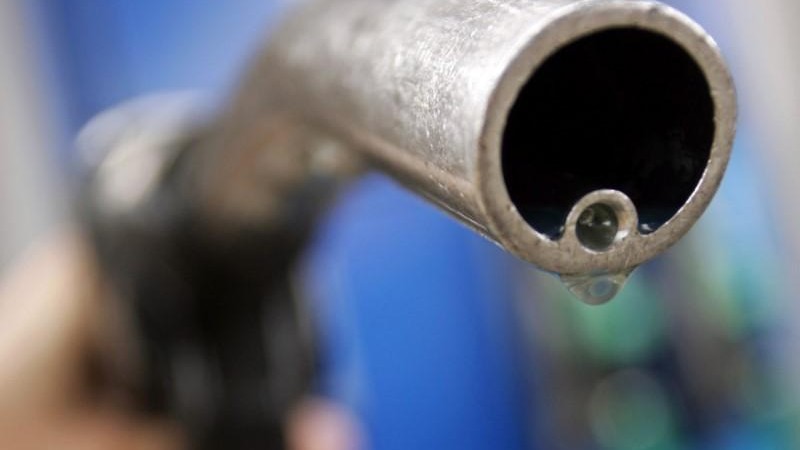
U.S. national average gasoline prices fell below $4 per gallon to $3.99, down 9.3 cents week over week and 52.4 cents from a month ago, while diesel dropped 11.7 cents to $5.182. The move follows a sharp selloff in oil on reports of a U.S.-Iran peace deal and a possible reopening of the Strait of Hormuz, with GasBuddy saying prices could drift toward $3.75 by July 4 if the crude decline holds. The article frames the drop as a potential relief for consumers and a political positive ahead of the midterms, though supply risks and hurricane season remain key uncertainties.
The immediate market read-through is not just lower headline inflation, but a sharper hit to the expected path of consumer discretionary spending. Gasoline is one of the few prices households observe daily; a sustained break lower tends to improve sentiment faster than it improves actual quarterly purchasing power, which means the first-order beneficiary is retailers, travel, and lower-end consumer credit rather than broad GDP. The bigger second-order effect is that lower pump prices can reduce the urgency of wage-push pricing at the bottom of the labor market, easing margin pressure for labor-intensive chains.
For energy, the key question is whether this is a temporary geopolitical air pocket or the start of a more durable re-pricing of supply risk. If the market starts to believe Strait-related barrels are coming back, front-end crude should underperform longer-dated contracts as the risk premium bleeds out first; that setup usually hits higher-cost producers and refiners with less feedstock flexibility before it meaningfully dents the majors. The asymmetry is that a deal failure would not just reverse the move in oil, it would likely reintroduce volatility premia across the whole complex, making short-vol positions the most fragile expression.
The contrarian miss is that a lower gasoline print can be disinflationary without being outright bearish for risk assets if it is driven by supply normalization rather than demand collapse. That distinction matters: falling fuel costs alongside stable freight and wage data is bullish for the consumer, but if the decline is too abrupt it can also signal softer industrial demand and weaker petrochemical throughput. In other words, the market should fade the reflexive energy panic only if ancillary indicators like freight rates, credit spreads, and retail traffic hold up over the next 2-6 weeks.
AI-powered research, real-time alerts, and portfolio analytics for institutional investors.
Request DemoOverall Sentiment
mildly positive
Sentiment Score
0.35
Ticker Sentiment
