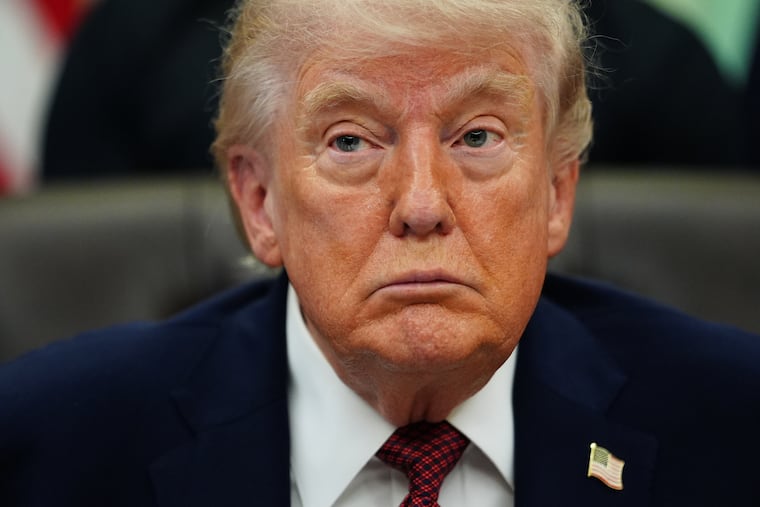
The article argues Trump’s handling of the Iran war has created death, destruction, diplomatic confusion, and no clear endgame, while keeping gas prices above $4 a gallon. It highlights continued uncertainty over ceasefire timing, peace negotiations, and the Strait of Hormuz, alongside allegations of mismanagement and failed war objectives. The geopolitical risk is elevated and could ripple across energy markets, defense spending, and broader risk sentiment.
The market implication is not just higher headline risk; it is a larger uncertainty premium across energy, transport, and defense procurement because policy is now path-dependent on one decision-maker with a history of abrupt reversals. That tends to steepen the term structure in crude and widen implied volatility in airline, shipping, and industrial names even if spot prices don’t move much further. The more important second-order effect is that every extra day of ambiguity keeps both allies and adversaries pricing in a wider set of tail outcomes, which is usually bullish for real assets and negative for long-duration cash flows.
The clearest winners are upstream energy, tanker, and select defense contractors, but the trade is less about direction than dispersion. If the Strait of Hormuz stays open, the market likely fades the most extreme risk premium quickly; if it closes or is credibly threatened, the move can gap in hours and then force emergency policy responses within days. That makes optionality more attractive than outright delta in the near term, especially because sanctions enforcement and export-control escalation can support commodity spreads even without a sustained conflict.
The biggest loser is consumer discretionary and transport, where the tax on fuel works through sentiment before it shows up in earnings. Importantly, the political noise also raises the probability of a forced de-escalation window in the next 2-8 weeks, which means chasing energy beta after an initial spike may be poor risk/reward. The contrarian view is that the market may be overpricing durable supply disruption: if the administration backtracks, the trade becomes a classic vol crush, and the better expression is short-dated calls/put spreads rather than cash equity longs.
AI-powered research, real-time alerts, and portfolio analytics for institutional investors.
Request TrialOverall Sentiment
extremely negative
Sentiment Score
-0.85
Ticker Sentiment
