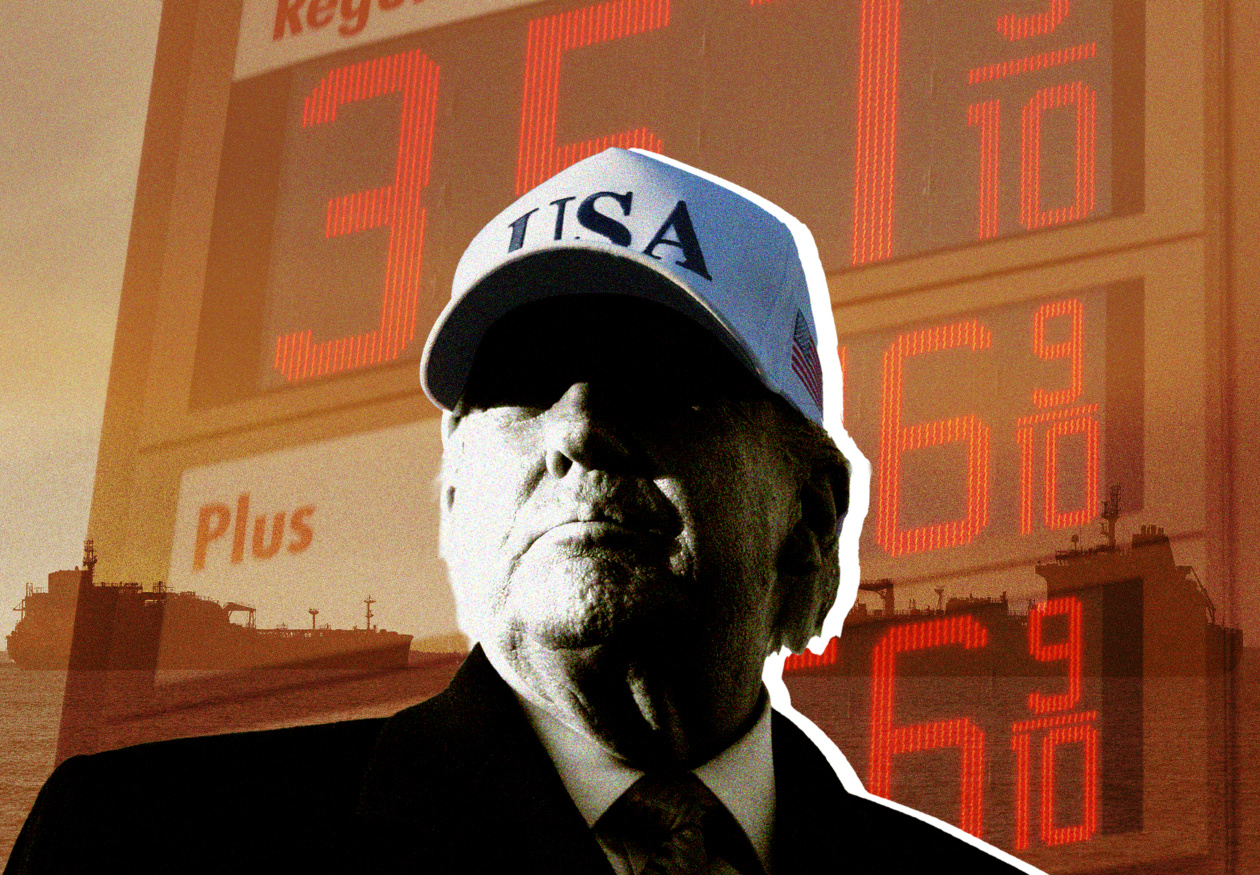
$200 per barrel oil is presented as a realistic risk if peace talks do not emerge or the Strait of Hormuz remains closed as the Iran conflict enters day 21. The U.S. is contemplating measures including U.S. Navy escorts for tankers and releases from emergency global oil reserves to try to contain crude prices. Without a diplomatic or physical reopening of shipping routes, oil prices could move materially higher, increasing inflationary pressure and market volatility.
Winners will be owners of seaborne transport and insurance capacity and the highest-margin producers whose barrels are cheapest to lift and quickest to bring online. A sustained disruption around the Strait of Hormuz elevates tanker time-charter equivalent (TCE) rates and insurance premia; higher TCEs convert into outsized cashflow gains for listed tanker owners within weeks while simultaneously creating a structural cost headwind for refiners and airlines. Light-sweet US shale is advantaged versus heavy-sour exporters because of easier redirection to domestic PADD markets and shorter lead times — meaning shale equities can reprice within 1–3 months if a price shock persists.
Policy responses (SPR releases, naval escorts) are blunt instruments that buy headline relief but not permanent supply; historically SPR actions affect prices meaningfully for roughly 2–8 weeks before fundamentals reassert. Naval escorting raises the probability of naval incidents and asymmetric escalation, which would re-price geopolitical risk premiums overnight; market pricing will therefore bifurcate into a near-term relief channel (policy/SPR) and a medium-term premium channel (sustained physical frictions and rerouting costs). Expect contango to steepen when markets fear chokepoint risk, creating profitable storage/tanker-play arbitrage opportunities over 1–4 months.
The consensus fix — believing SPR and escorts alone will normalize prices quickly — underestimates the inertia in physical logistics and contract reallocation. Reopening the global crude plumbing (reestablishing long-term buyers, insurance terms, and tanker availability) takes multiple months and is non-linear: short interruptions can cascade into 6–12 week supply squeezes in specific grades, keeping cracks volatile and rewarding capital-light owners of storage/tankers while penalizing fuel-intensive transport and aviation sectors.
AI-powered research, real-time alerts, and portfolio analytics for institutional investors.
Request DemoOverall Sentiment
strongly negative
Sentiment Score
-0.60
