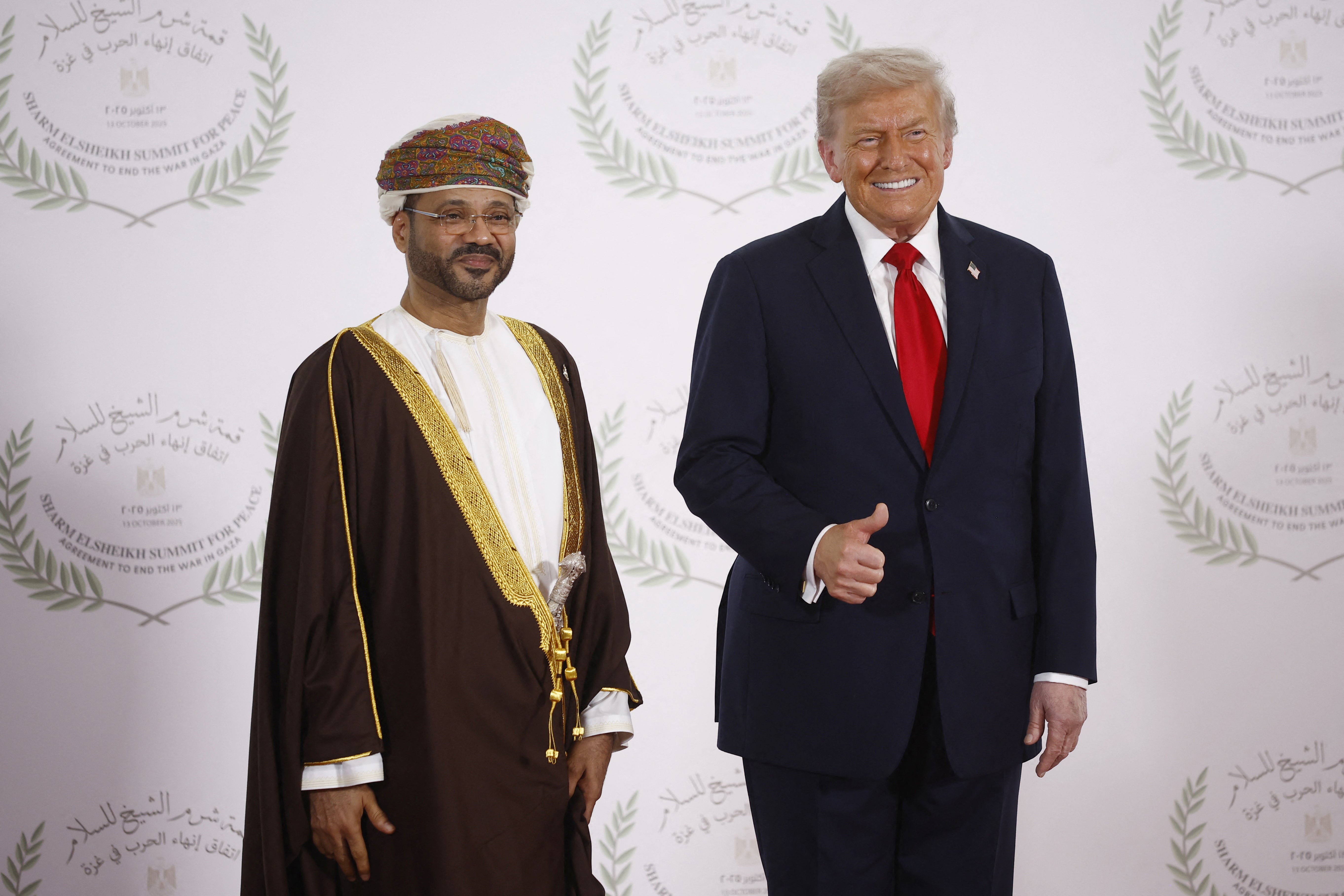
Trump threatened to "blow up" Oman if it did not comply over the Strait of Hormuz, escalating tensions around a chokepoint that carries about one fifth of global oil supply in normal times. The White House rejected any Iran- or Oman-led control of the waterway, while Oman's role as a long-time mediator and US ally has been put under strain. The rhetoric raises geopolitical risk for Gulf shipping, energy flows, and regional security.
The market is likely underpricing the difference between rhetoric and operational control. Even if the Strait itself is not formally “controlled,” the signaling alone can widen freight insurance, lengthen voyage planning, and push shippers toward precautionary routing decisions within days; that shows up first in tanker rates, then in product spreads, and only later in headline crude. The second-order issue is that Oman’s role as a mediation node matters more than its military capacity: if Muscat is sidelined, there are fewer credible backchannels to de-escalate shipping disruptions, which raises the persistence of any premium.
The biggest beneficiaries are not necessarily the obvious integrated oil majors, but owners of exposed seaborne logistics and firms with substitute capacity. LNG and crude-linked shipping names should see the fastest mark-to-market if the market starts pricing a higher probability of intermittent choke-point disruption, while downstream refiners and airlines face a delayed but meaningful input-cost squeeze if crack spreads widen unevenly. Defense and maritime-security contractors also gain optionality because even a modest increase in escort activity, surveillance, and port hardening can translate into incremental budget urgency over the next 1-2 quarters.
The contrarian view is that the threat may be more useful as bargaining leverage than a precursor to sustained policy change. If there is rapid diplomatic follow-through, the premium can unwind just as fast as it appeared, especially because the U.S. has incentives to avoid a full energy-shock that would complicate inflation and rate-cut expectations. The highest-risk setup is a short-lived spike followed by policy reversal; the better asymmetry is in relative-value trades that monetize volatility rather than outright directional crude exposure.
AI-powered research, real-time alerts, and portfolio analytics for institutional investors.
Request DemoOverall Sentiment
moderately negative
Sentiment Score
-0.35
