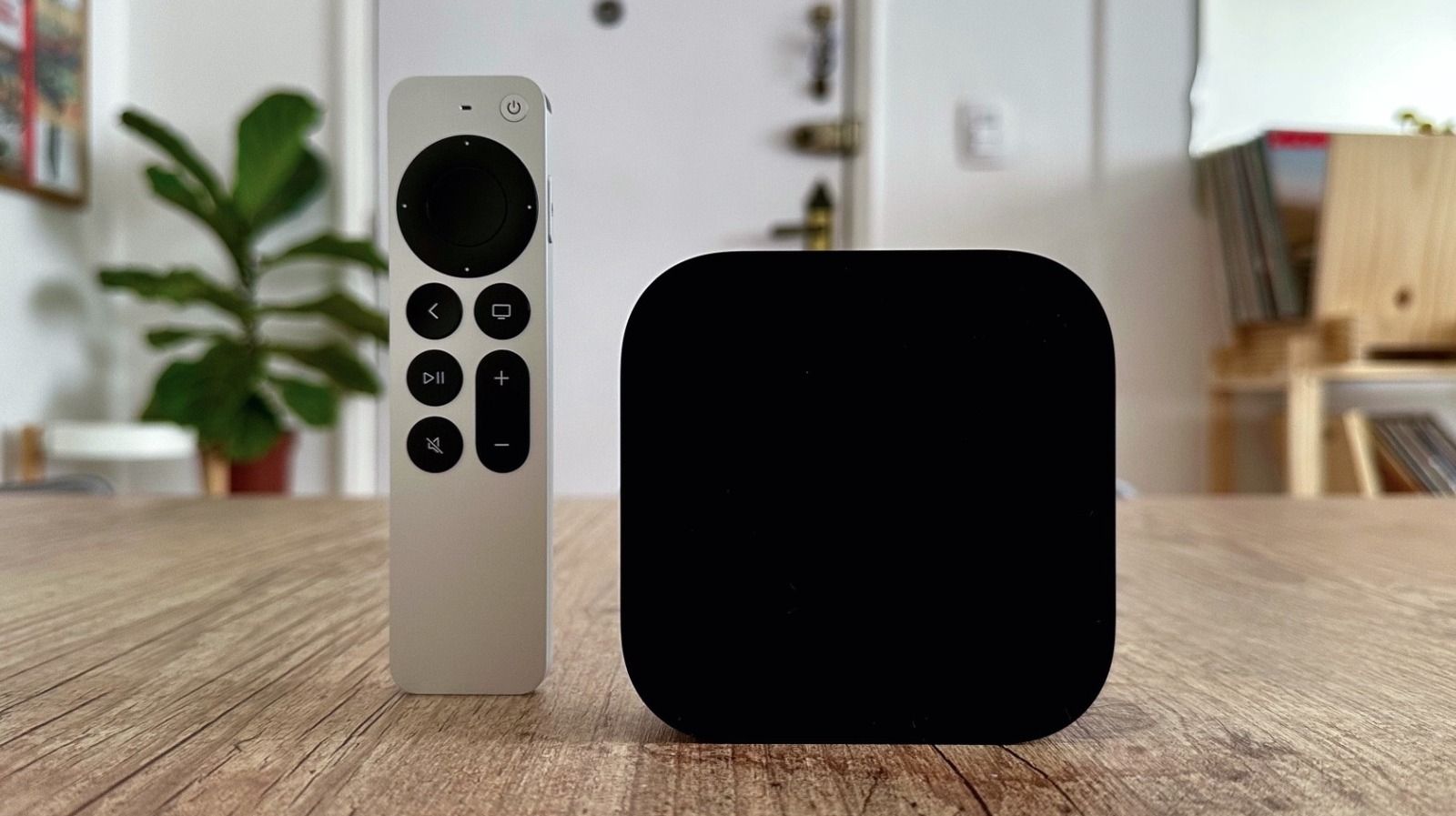
Apple is widely rumored to refresh the Apple TV 4K in early 2026 with an A17 Pro chipset, a possible RAM increase to 8GB to support Apple Intelligence, and adoption of Apple's N1 wireless modem (enabling Wi‑Fi 7, Bluetooth 6 and Thread). The upgrade could position the set‑top box as a more capable smart‑home hub and gaming/streaming device, enable new Apple TV app features (including sports-focused functionality like multi‑cam), and be timed alongside other smart‑home product launches; pricing rumors suggest Apple may seek to lower the device cost to drive adoption. These hardware changes would modestly strengthen Apple’s ecosystem value proposition but, as unconfirmed rumors, represent limited near‑term market moving risk.
Market structure: A more capable Apple TV (A17 Pro, 8GB, N1) is a small-but-strategic hardware win for AAPL — it increases ecosystem lock‑in (HomeKit/HomePod/Apple TV+) and raises incremental services ARPU if sports/features become hardware‑tied. Direct beneficiaries in supply chain: TSM (A17 wafer demand), AVGO/QRVO/SWKS (connectivity/RF/Wi‑Fi7), and DRAM/NAND suppliers (MU, SK Hynix) — expect a 2–8% revenue tailwind to mid‑tier suppliers in the quarter after launch if volumes meet conservative 1–3M unit runs. Defensives/losers: ROKU and AMZN Fire TV risk share loss and pricing pressure; smart‑TV OEM leverage falls if Apple cuts Apple TV price by >15%.
Risk assessment: Tail risks — production delays at TSMC, N1 firmware failures, or an antitrust push on bundling could erase upside; probability medium (10–20%) with high impact. Timeline: rumor-driven equity moves days–weeks; supplier order flow appears 3–6 months pre‑ship; services monetization and margin impact play out 6–24 months. Hidden dependency — sports/content rights (MLB, F1) are cost centers; upside requires convincing conversion rates (target >2–3% uplift in paying subs). Key catalysts: WWDC, iOS 26.4, Apple fiscal Q1 2026 commentary, TSMC capacity reports.
Trade implications: Tactical: establish 1–2% long AAPL (target +8–12% in 6–12 months, stop −8%) to play hardware+services synergy; pair with a 0.75% short ROKU (stop 12%) to express hardware displacement. Add 0.5–1% longs in TSM and AVGO to capture fab and connectivity demand; target 15–25% upside in 6–12 months. Options: buy AAPL Jan 2027 LEAP calls (delta ~0.40) sized as 0.5% notional to cap downside; consider buying TSM/AVGO LEAPs instead of equity for convexity. Enter build 3–6 months before expected unveil; trim 20–30% after product launch if street adoption metrics disappoint.
Contrarian angles: Consensus underestimates services upside — modest hardware sales (2–5M units) could drive recurring subs and advertising revenue worth $0.03–$0.10 EPS annually, not priced in by pure hardware skeptics. Conversely, supplier upside may be overdone — Apple often internalizes key components (N1) and uses scale to squeeze BOM, limiting supplier margin benefits. Historical parallel: Apple Watch drove outsized services over 2–4 years; Apple TV could mimic on smaller scale. Unintended consequences: hardware‑exclusive features may invite regulatory scrutiny or accelerate competitors’ aggressive pricing, compressing near‑term margins.
AI-powered research, real-time alerts, and portfolio analytics for institutional investors.
Request DemoOverall Sentiment
mildly positive
Sentiment Score
0.25
Ticker Sentiment
