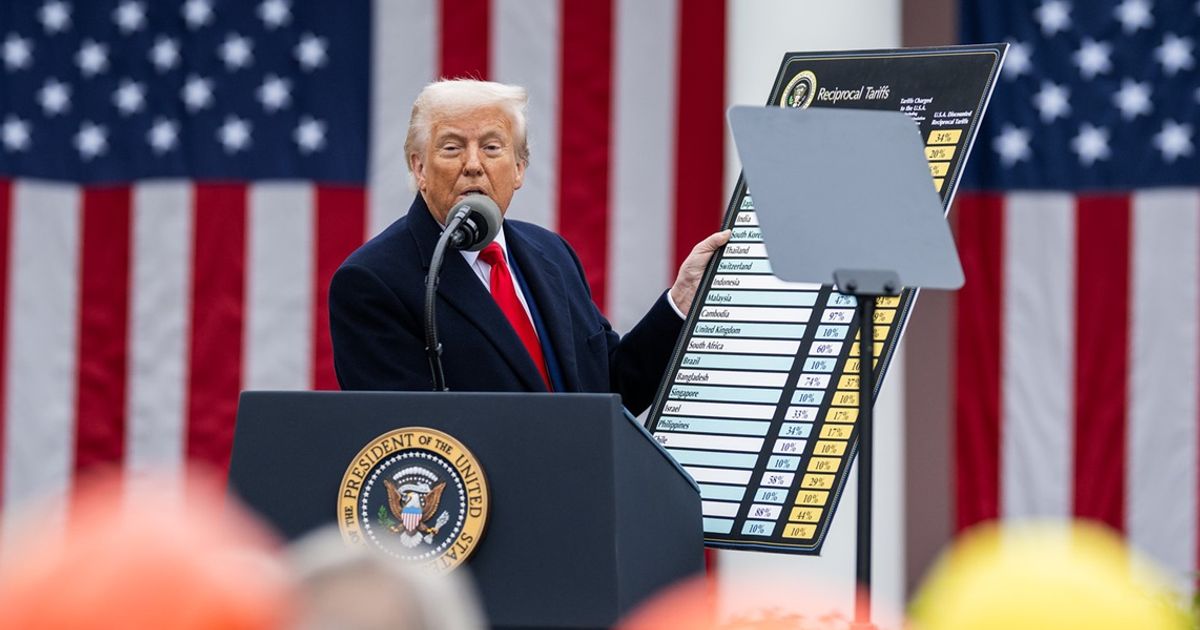
A US trade court unanimously ruled that former President Trump's tariffs were illegal, stating he wrongfully invoked emergency laws and overstepped Congressional authority on regulating commerce. The ruling imposes a permanent injunction on blanket tariffs, including 10% tariffs issued in January, 20% on Chinese imports, and 25% on Canadian and Mexican imports not compliant with USMCA, with exceptions for steel, aluminum, and automobiles. The Trump administration has appealed the decision, raising the possibility of the case reaching the Supreme Court.
A U.S. Court of International Trade has unanimously declared specific tariffs imposed by Donald Trump illegal, ruling that the president wrongfully invoked emergency laws and overstepped the U.S. Constitution, which grants Congress the sole authority to regulate commerce. The court issued a permanent injunction against several key tariff orders: the blanket 10% tariffs issued in January, the 20% tariff on imports from China, and the 25% tariff on Canadian and Mexican imports not compliant with the USMCA free-trade pact. Notably, tariffs on steel, aluminum, and automobiles are not covered by this ruling. The court clarified its decision was based on the impermissibility of the president's use of federal law, not on the wisdom or effectiveness of the tariffs. The Trump administration has immediately appealed this decision, with the Justice Department filing with the U.S. Court of Appeals and indications the case could escalate to the Supreme Court. The court has given the administration 10 days to "effectuate" the order, though the method for unwinding the tariffs remains unspecified, and financial media reports suggest alternative avenues for imposing import levies may exist. This legal challenge introduces a significant hurdle for these protectionist measures, but the appeal process and potential for alternative actions mean the ultimate impact on trade flows and import costs remains uncertain, consistent with the provided mixed sentiment signal (0.05) and moderate market impact score (0.55).
AI-powered research, real-time alerts, and portfolio analytics for institutional investors.
Overall Sentiment
mixed
Sentiment Score
0.05
