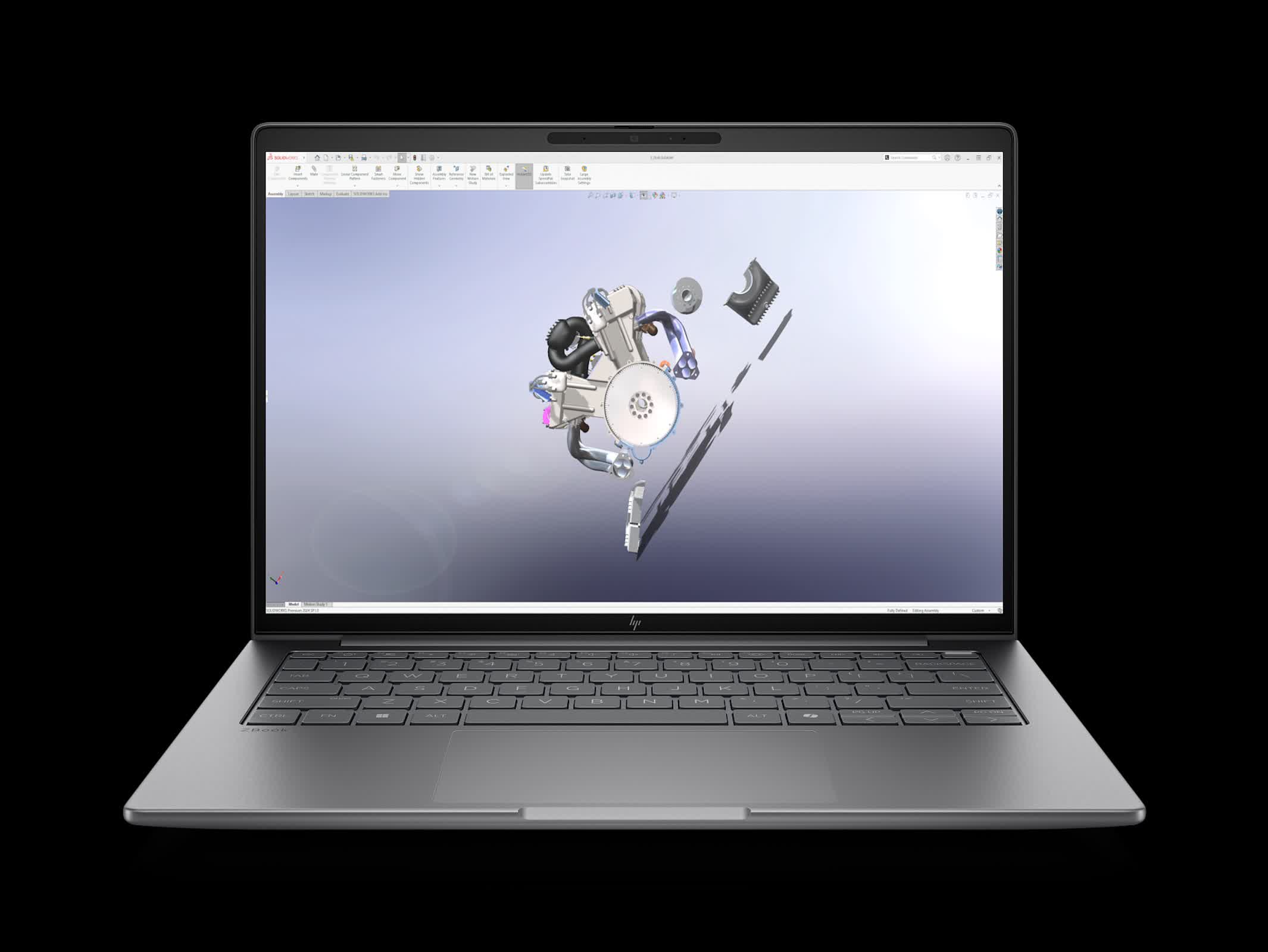
HP is facing a wave of reports that recent BIOS updates pushed through Windows Update are causing premium laptops to fail to boot, spin fans to full speed, or crash to Blue Screens of Death. Specific firmware versions cited include 01.04.03 and 01.04.05 on the ZBook Ultra G1a and 01.03.11 and 01.05.00 on the EliteBook X G1a, with rollback proving difficult for many users. HP has acknowledged the issue but has not yet provided detailed remediation guidance, leaving affected customers to contact support.
This is less about one bad BIOS release and more about HP's process credibility, which matters disproportionately in premium enterprise endpoints where uptime is the product. Firmware defects that can brick machines create a hidden tax on the installed base: higher support costs, more cautious IT procurement, and a longer replacement cycle as buyers demand proof of rollback safety and staged deployment controls. The near-term hit is mostly to sentiment, but the second-order effect is real share loss in managed fleets where procurement teams optimize for low operational risk rather than specs.
The competitive dynamic favors Dell and Lenovo because they already benefit from stronger enterprise trust and broader firmware distribution hygiene. If this becomes a recurring pattern, HP risks a slow-motion downgrade in vendor status for large accounts, especially where Windows Update-pushed firmware removes IT's ability to gate releases. Microsoft is also exposed at the margin: every third-party firmware failure that ships through Windows Update raises scrutiny of its update governance, and that can translate into tighter validation or slower rollout for non-Microsoft payloads over the next few quarters.
The catalyst window is days to weeks for headline damage, but the business impact can extend for quarters if HP is forced into a more conservative BIOS release cadence or broad retroactive remediation. The tail risk is not just returns and support expense; it's a procurement freeze on premium models until HP demonstrates a materially better testing and rollback story. That would be especially painful if it coincides with broader enterprise refresh decisions, because buyers can simply shift volume to peers without changing their buying cycle.
Consensus may be underestimating how durable firmware trust issues are in enterprise hardware. The market often treats these as isolated quality-control problems, but for endpoint OEMs the brand damage compounds because IT admins remember the incident long after the technical fix ships. If HP has to lean harder on discounting or channel incentives to protect volumes, the margin impact could outlast the initial repair cycle.
AI-powered research, real-time alerts, and portfolio analytics for institutional investors.
Request DemoOverall Sentiment
strongly negative
Sentiment Score
-0.55
Ticker Sentiment
