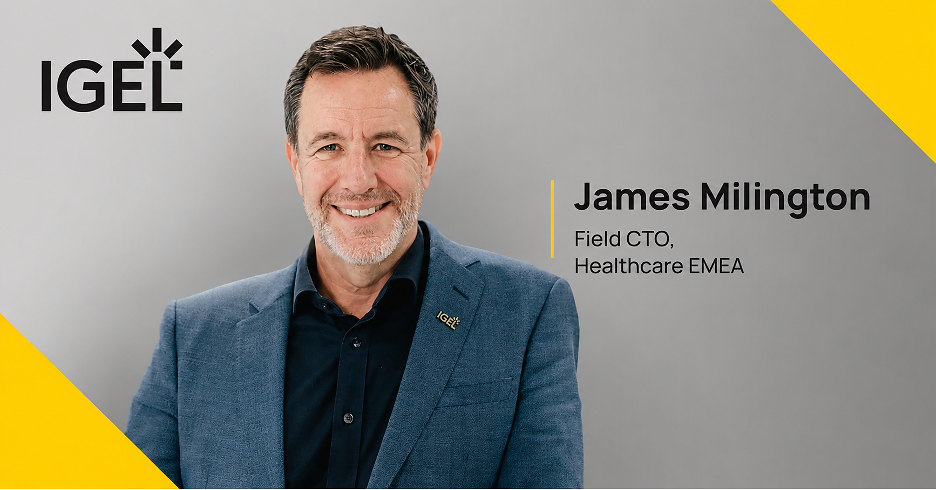
IGEL ogłosił mianowanie Jamesa Millingtona regionalnym dyrektorem technicznym ds. sektora ochrony zdrowia w regionie EMEA, wzmacniając wsparcie dla klientów i partnerów w tym segmencie. Rola ma uzupełnić działania Jasona Mafery w Ameryce Północnej, dzięki czemu IGEL dysponować będzie liderami ds. healthcare po obu stronach Atlantyku. W komunikacie podkreślono nacisk na wdrażanie rozwiązań dla punktów końcowych (bezpieczny dostęp, podejście Preventative Security/Zero Trust) w placówkach leczniczych i opiekuńczych.
This reads more like a field-marketing and channel-expansion signal than a near-term financial catalyst. The economic value, if any, comes from shortening enterprise sales cycles in a regulated vertical where referenceability matters more than product novelty. That favors vendors with already-integrated identity, endpoint, and access stacks, while smaller point-solution vendors risk being squeezed as healthcare buyers prefer fewer console footprints and faster compliance outcomes.
The second-order winner is likely the broader healthcare cybersecurity/endpoint management ecosystem, not IGEL alone: if the thesis is credible, it should lift adjacent spend on zero-trust access, device management, and ransomware resilience. Public-market beneficiaries would be the larger suites that can bundle across endpoints and network access, especially PANW, CRWD, FTNT, and ZS. The risk is that the message is mostly recruitment theater; without named EMEA wins or partner expansions, this does not change revenue trajectories and may simply defend share against Microsoft/Intune, Citrix, and other default-platform encroachment.
Time horizon matters: in days, this is noise; over 1-3 months, watch for healthcare deal announcements, partner certifications, or conference-led pipeline commentary; over 6-18 months, the question is whether healthcare becomes a repeatable vertical engine or remains a manual-services story. The contrarian view is that the market may be overestimating the scarcity of IGEL’s position—healthcare buyers are notoriously sticky to incumbent stacks, and any uplift from specialized leadership only matters if it converts into booking acceleration and margin leverage. Falsifiers would be no pickup in healthcare bookings, no incremental partner logos, or continued displacement by bundled Microsoft security/access tooling.
AI-powered research, real-time alerts, and portfolio analytics for institutional investors.
Request DemoOverall Sentiment
mildly positive
Sentiment Score
0.18
