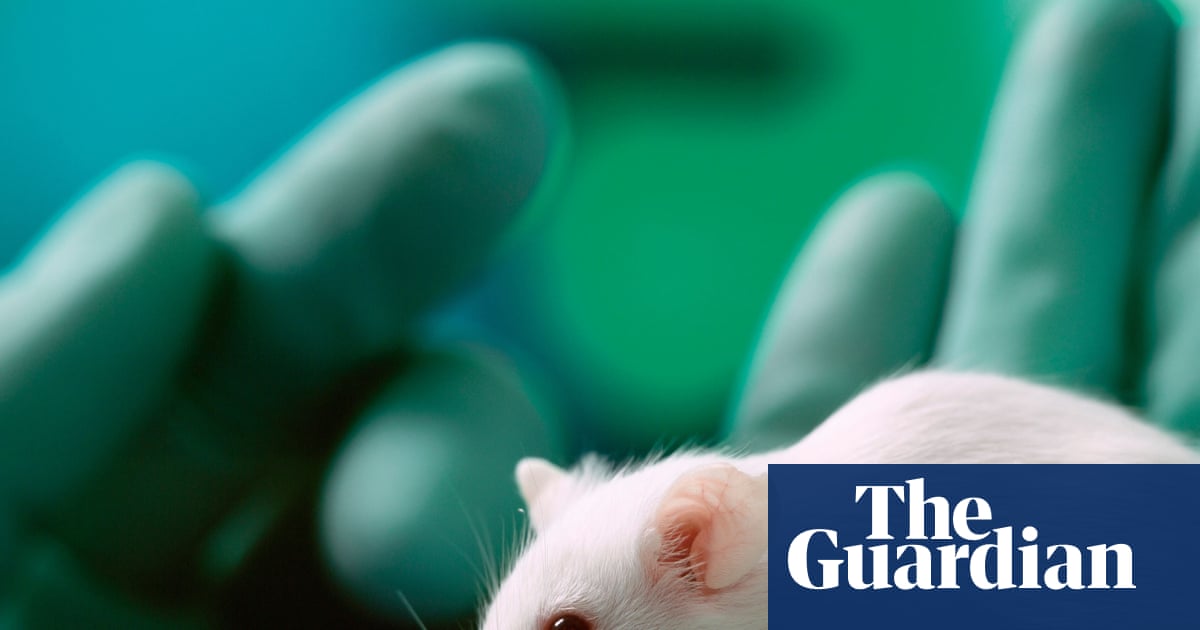
The UK government has launched a new roadmap to accelerate the phasing out of animal testing, spearheaded by Science Minister Patrick Vallance. This initiative will leverage artificial intelligence and 3D bioprinted human tissues to develop alternative methods for product safety assessments, including vaccines and pesticides, supported by new funding and streamlined regulations. The policy sets specific targets, such as ending certain animal tests by 2026-2030, indicating a significant regulatory shift that could impact R&D strategies for pharmaceutical and chemical companies while fostering growth in advanced biological and AI testing technologies.
The UK government has unveiled a new roadmap to accelerate the phasing out of animal testing, a strategic move spearheaded by Science Minister Patrick Vallance. This initiative, driven by ethical considerations and technological advancements, aims to replace traditional animal tests for product safety, including life-saving vaccines and pesticides, with reliable and effective alternatives. The strategy is bolstered by new funding for researchers and streamlined regulatory processes, indicating a concerted effort to foster innovation in this domain.
Key to this transition are advanced technologies such as artificial intelligence for analyzing molecular data, 3D bioprinted human tissues for realistic testing samples, and organ-on-a-chip systems that mimic human organ functions. This technological pivot creates significant growth opportunities for companies specializing in AI-driven solutions, advanced biological models, and biotech firms developing non-animal testing methodologies. The optimistic sentiment surrounding this policy suggests a favorable environment for these innovators.
The roadmap sets clear regulatory deadlines, including the cessation of regulatory testing for skin and eye irritation by the end of 2026, an end to botox tests on mice by 2027, and a reduction in pharmacokinetic studies on dogs and non-human primates by 2030. These specific targets signal a substantial regulatory shift, compelling pharmaceutical, chemical, and cosmetics industries to rapidly adapt their R&D and testing protocols, potentially accelerating innovation in alternative testing methods and creating new market leaders.
AI-powered research, real-time alerts, and portfolio analytics for institutional investors.
Request DemoOverall Sentiment
strongly positive
Sentiment Score
0.70
