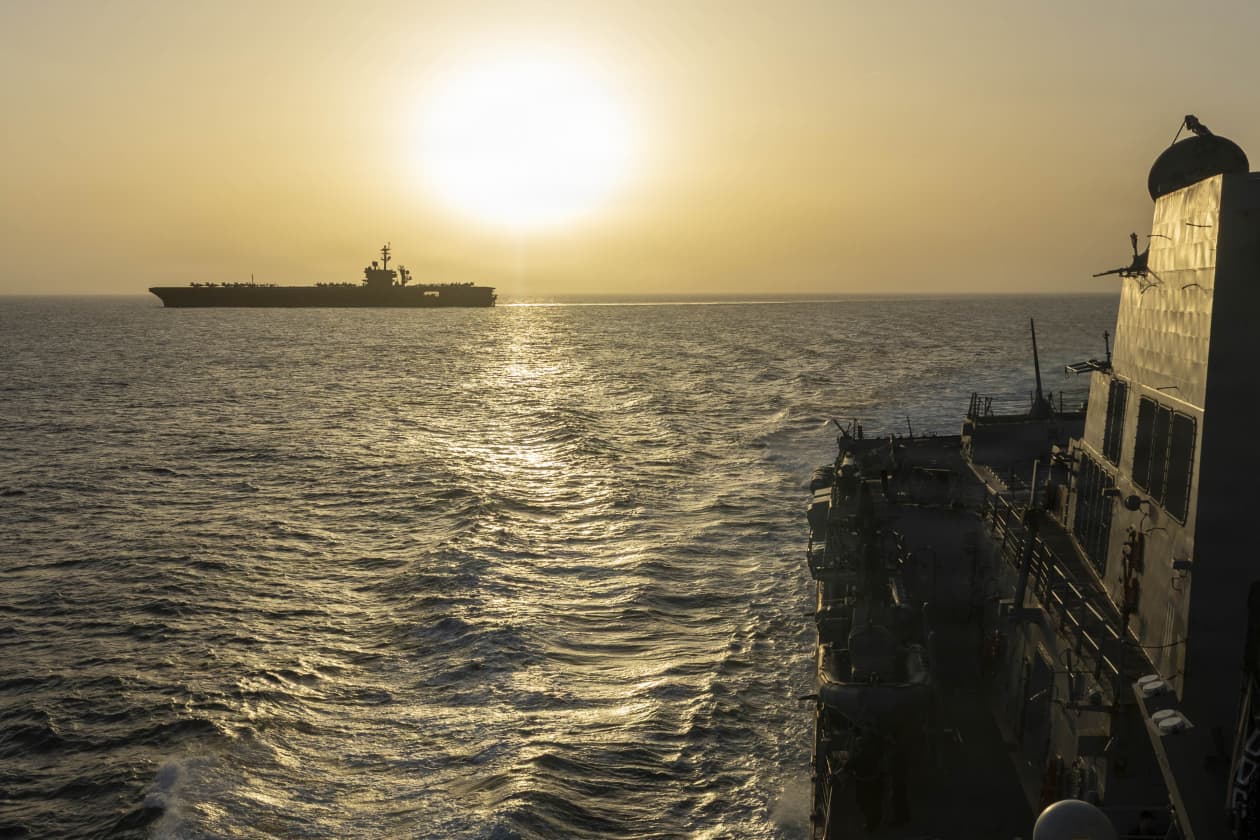
The article warns that the Hormuz crisis and broader breakdown of the post-World War II order could permanently alter global shipping patterns, with ripple effects spreading across the world's oceans. It highlights elevated geopolitical risk for maritime trade and supply chains, implying higher routing costs, delays, and persistent disruption for shipping and logistics markets. The commentary is forward-looking and risk-off, but does not cite specific financial figures or company-level impacts.
The market is underpricing how quickly maritime risk cascades from a regional chokepoint issue into a global tax on trade. The first-order effect is higher freight and insurance, but the second-order effect is capacity paralysis: once routing, convoying, and avoidance behavior become normalized, effective vessel supply shrinks even if headlines calm down. That is bullish for owners of scarce tonnage and negative for industries reliant on just-in-time inventory and low transport costs, especially where margins are already thin.
The real winners are not just tanker or LNG names, but any asset class tied to re-routing and voyage-length inflation. Longer sailing distances absorb ships, tighten spot markets, and can support rate spikes for months even without a major kinetic escalation; conversely, container and dry bulk exporters with exposure to Asia-Europe and Asia-Mideast lanes face a delayed margin hit as contracts reprice. The bigger loser set is downstream: retailers, autos, chemicals, and industrials with high ocean-freight intensity will see working capital rise before P&Ls visibly weaken, creating a lagging earnings risk over the next 1-2 quarters.
The contrarian view is that this may be less about a one-off spike and more about a structural repricing of geopolitics into transport economics. If investors are already long defense and energy, the underowned hedge is logistics infrastructure and domestic freight substitution. Any diplomatic de-escalation would likely compress rates quickly, but the market may be too complacent about the persistence of insurance premiums and convoy-related inefficiency even after the newsflow improves.
Catalyst-wise, watch for carrier commentary on blank sailings, charter renewals, and war-risk surcharges over the next few weeks; those are the earliest signals that the shock is becoming embedded. If spot freight and marine insurance remain elevated through the next quarterly booking cycle, the earnings revision cycle will spread beyond shipping into industrial and consumer names. The main reversal risk is a visible security guarantee or corridor enforcement regime that restores route certainty faster than expected.
AI-powered research, real-time alerts, and portfolio analytics for institutional investors.
Request TrialOverall Sentiment
moderately negative
Sentiment Score
-0.35
