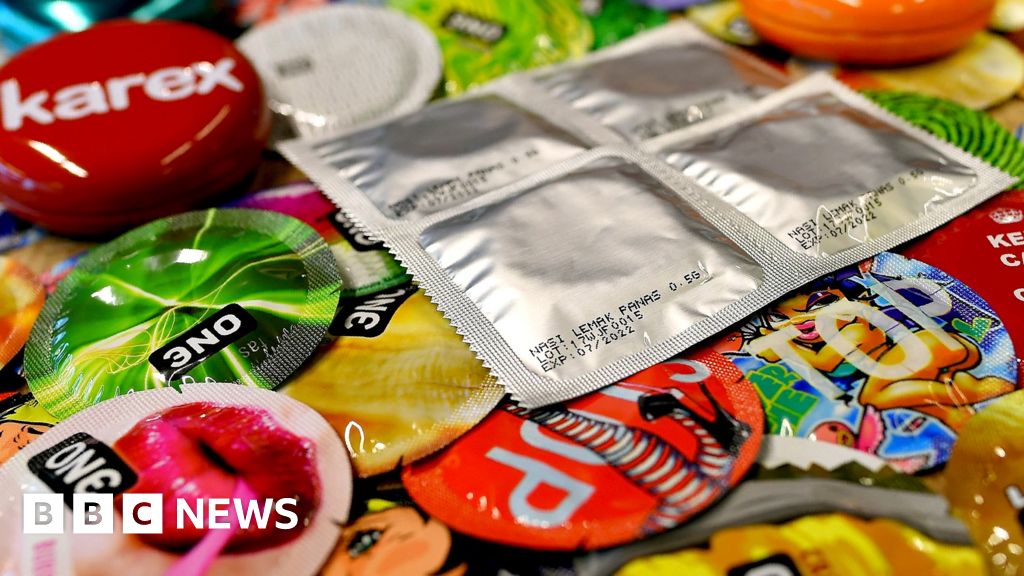
Karex, the world's biggest condom maker, plans to raise prices by up to 30% or more if Iran-linked supply disruptions continue to lift raw material and freight costs. The company said production costs have risen sharply, with materials derived from oil such as ammonia and silicone-based lubricants under pressure. The article highlights broader war-driven inflation across goods and transport, but the direct market impact is mainly on consumer staples and supply chains rather than the broader market.
This is a small headline at the product level but a meaningful signal for the inflation tape: once a niche consumer item with low price elasticity starts repricing because of petrochemical and freight inputs, it suggests upstream cost pressure is still propagating through the system rather than fading. The second-order effect is margin compression for branded sexual wellness, OTC hygiene, and other small-volume, high-distribution consumer categories that cannot fully pass through without demand slippage, especially in emerging markets and public procurement channels.
The bigger read-through is on procurement behavior. If a supplier with concentrated global share is warning on cost pass-through, downstream buyers are likely to front-run price increases, rebuild inventories, and extend purchase orders, which can create a temporary volume spike followed by a demand air pocket in the next 1-2 quarters. That favors intermediaries and logistics-adjacent firms with inventory already on hand, but hurts distributors and retailers that must reprice into a consumer still sensitive to basket inflation.
There is also a geopolitical asymmetry here: the market usually thinks of Gulf disruptions as an energy story, but petrochemical derivatives, specialty chemicals, and lubricants are effectively a tax on a long tail of consumer and industrial products. The near-term risk is not just higher prices; it is spot shortages and mix degradation if firms substitute lower-grade inputs or ration supply, which can hit customer retention and shelf space more than headline revenue. A reversal likely requires either a durable easing in freight/oil spreads or a fast normalization of shipping insurance and route availability, both of which are measured in months rather than days.
The contrarian view is that the price hike may be more about preserving margin than immediate input shock, meaning the stock reactions in downstream consumer names could be overdone if investors extrapolate a broad inflation impulse from a single supplier. But the broader signal remains bearish for consumer discretionary and packaging-heavy categories: if a low-ticket necessity is raising prices 30%, the low end of the consumer pyramid is still absorbing stress, which tends to show up later in trade-down behavior and delayed replenishment.
AI-powered research, real-time alerts, and portfolio analytics for institutional investors.
Request TrialOverall Sentiment
moderately negative
Sentiment Score
-0.36
