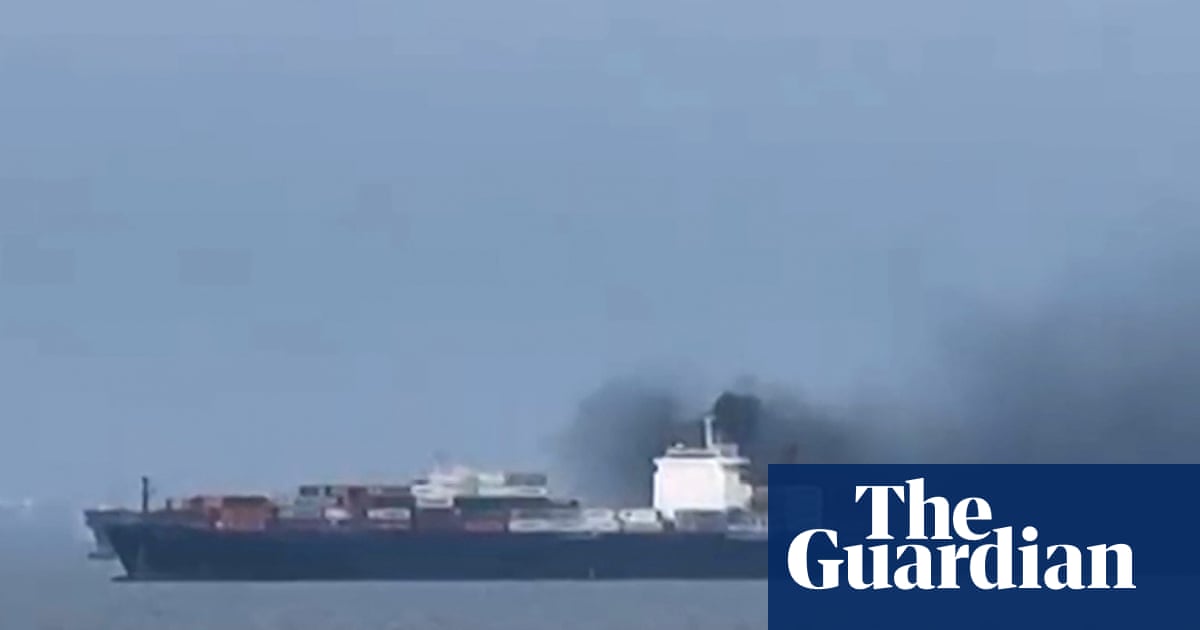
20% of global oil transits the Strait of Hormuz, which Tehran has effectively closed in retaliation for US/Israeli strikes, causing the largest oil supply disruption in history and sending global oil prices sharply higher. China says it is communicating with the US about President Trump’s planned Beijing visit (31 March–2 April) after Trump warned he might suspend the trip unless China helps secure the strait; China imports roughly 50% of its crude via Hormuz, contradicting Trump’s 90% claim. Beijing has called for a ceasefire and declined to commit to sending warships, increasing near-term geopolitical and energy-market risk and clouding the Xi–Trump summit and ongoing trade talks.
The headline event magnifies an already underappreciated operational shock: real-time rerouting and insurance-cost pass-throughs will propagate through refining, trading desks, and freight for weeks before headline oil prices fully reflect the damage. Expect tanker time-charter (TC) rates and war-risk premiums to spike within days, creating outsized near-term earnings upside for owners of modern VLCC/Suezmax tonnage versus cash-flow neutral refiners that can't quickly flex throughput.
China’s diplomatic hedging creates a two-track outcome risk: a protracted, low-intensity disruption that forces structural supply-chain adjustments (pipeline acceleration, SPR fills, LNG/coal substitution) over 3–18 months, or a rapid negotiated corridor that collapses premiums within 1–6 weeks. That bifurcation raises asymmetric payoff opportunities — short-duration convex instruments on shipping and energy, and longer-duration strategic positions in materials and defense.
Second-order winners include large, low-cost tanker owners, reinsurers/insurers able to reprice war risk, and miners of critical minerals if China trades leverage for industrial concessions; losers include pure-play refiners with tight crack spreads and EM exporters/importers dependent on maritime choke points. Monitor two objective triggers: TC rate moves (VLCC TC > +100% vs 30-day avg) and Brent > $95 for sustained flows into these themes, with reversals likely if diplomatic back-channeling produces a security corridor or insurance guarantees within weeks.
AI-powered research, real-time alerts, and portfolio analytics for institutional investors.
Request DemoOverall Sentiment
strongly negative
Sentiment Score
-0.70
