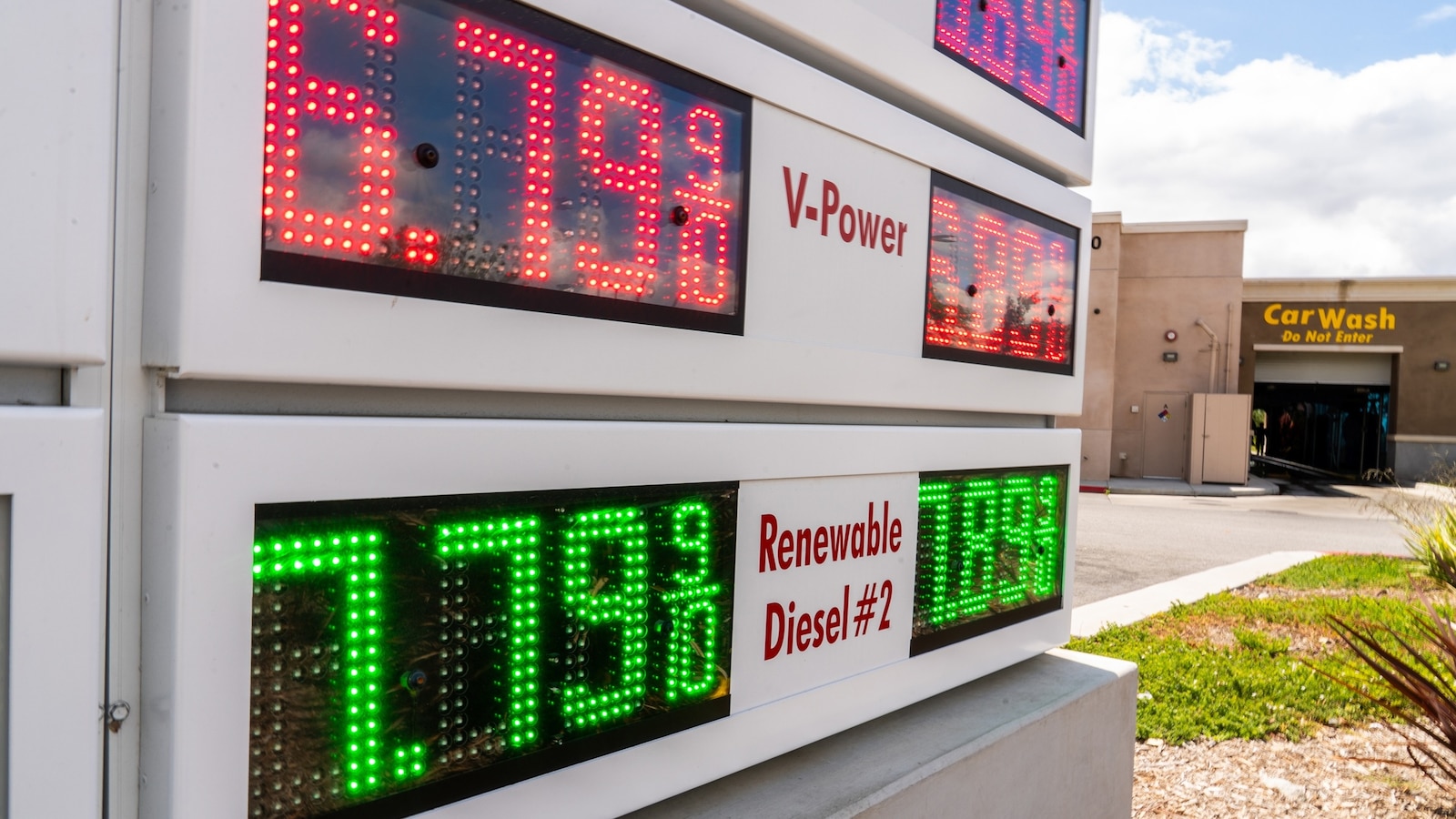
A monthslong war with Iran is driving record gas prices and broad consumer strain, with 50% of Americans expecting prices to rise further and 44% cutting back on driving. The conflict has disrupted oil flows through the Strait of Hormuz, through which about 20% of globally traded oil normally passes, creating a clear inflationary shock. The article suggests meaningful political risk as 61% of respondents call the war a mistake and financial pressure could influence the midterm elections.
This is less about a one-off fuel shock and more about a broad-based consumer tax that hits the lower-income, high-frequency spend cohort first. That matters for retail and mobility because the affected households are the marginal users of ride-hailing, small-basket grocery trips, and discretionary driving; when they cut miles driven, they also cut the utilization pool that supports surge pricing and ancillary take-rate expansion. The second-order effect is that any fuel-sensitive wallet compression tends to show up quickly in transaction frequency before it shows up in headline unemployment, so the market can underestimate the speed of demand decay.
For UBER and LYFT, the immediate read-through is negative on gross bookings in exposed geographies and trip categories, but the larger issue is mix deterioration: price-sensitive users trade down, plan trips less, and consolidate errands. That can compress ride frequency even if nominal fares rise, and the elasticity is worse in lower-income markets where rideshare is a substitute for car ownership rather than a premium convenience. On the positive side, a fuel shock can temporarily help urban density and short-distance rides, but that benefit is likely overwhelmed if the broader household budget gets squeezed for months rather than weeks.
WMT is more nuanced: higher fuel costs usually push consumers toward value and basket optimization, which can support traffic, but the consumer is clearly trading down faster than trade-up volumes can compensate. The real risk is not just lower discretionary spend; it is leakage to cheaper channels, smaller baskets, and more frequent but lower-dollar missions, which pressures per-visit economics. If the war premium in energy persists into the next 1-2 quarters, margin protection will matter more than top-line share gains, especially if promotional intensity rises across retail.
The contrarian view is that the market may be overpricing permanent damage if the geopolitical shock de-escalates faster than expected. A credible ceasefire or reopening of shipping lanes could unwind a meaningful chunk of the inflation impulse within weeks, and consumer sentiment would likely rebound before payrolls do. That argues for expressing the view with defined risk rather than outright cash shorts, because the catalyst path is binary and politically driven.
AI-powered research, real-time alerts, and portfolio analytics for institutional investors.
Request DemoOverall Sentiment
strongly negative
Sentiment Score
-0.72
Ticker Sentiment
