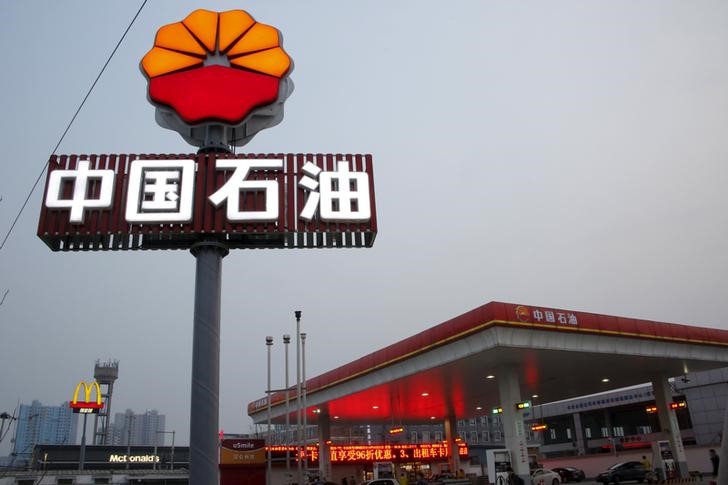
Oil surged to near four-year highs after an escalation in the Iran war and Iran effectively blocking the Strait of Hormuz, triggering a sharp sell-off in Asian equities and heightened global inflation risk. China imports 13–15% of its imported crude from Iran, but OCBC argues oil & gas account for only ~4% of China’s power mix and accelerating EV/renewable adoption cushions sensitivity—though second-order input-cost and inflation pressures remain if prices stay elevated.
The immediate pricing shock shifts winners and losers along a corridor of energy intensity: exporters of refined products and firms with pricing power can capture margin upside within weeks, while downstream manufacturers in oil-importing Asian economies face a multi-quarter margin squeeze as freight, feedstock and input-energy costs compound. Expect a visible bifurcation between markets that can monetize storage/processing capacity and those that import finished goods — equity dispersion should widen over 1–3 months as supply-chain passthrough materializes.
Second-order supply-chain effects will bite through logistics and metals processing: higher bunker and jet fuel raises unit sea/air freight costs, which historically transmits to export prices with a 1–2 quarter lag and compresses OEM margins in low-value-added manufacturing hubs. Energy-driven increases in smelting and refining costs disproportionately pressure battery/EV supply chains (nickel, cobalt, copper) for a 6–18 month window, creating a near-term headwind for EV OEM gross margins even as the long-term EV cost case improves.
Market structure and policy response create asymmetric risks. In the first 30–90 days, spikes favor optionality plays (call spreads, short-dated physical buys) because political/diplomatic interventions can unwind moves quickly; over 6–24 months, higher-for-longer energy prices accelerate capex into renewables and mining, re‑rating commodity and equipment suppliers. Reversal catalysts are clear: coordinated strategic releases, secured shipping corridors, or demand destruction from a synchronous global slowdown — any of which can erase a large fraction of the risk premium within 45–90 days.
Consensus is over-indexed to linear oil-price-to-inflation narratives; it underestimates heterogeneity across Asian balance sheets and the pace at which corporates pass costs to consumers. Tactical capital should favor optionality and dispersion trades rather than large, undifferentiated energy longs that are vulnerable to abrupt geopolitical de-escalation or demand shocks.
AI-powered research, real-time alerts, and portfolio analytics for institutional investors.
Request DemoOverall Sentiment
strongly negative
Sentiment Score
-0.60
