Back to News
Market Impact: 0.65

Wildfires in Alberta Pose Growing Threat to Canada’s Oil Output

Natural Disasters & WeatherEnergy Markets & PricesCommodities & Raw MaterialsESG & Climate Policy
Wildfires in Alberta Pose Growing Threat to Canada’s Oil Output

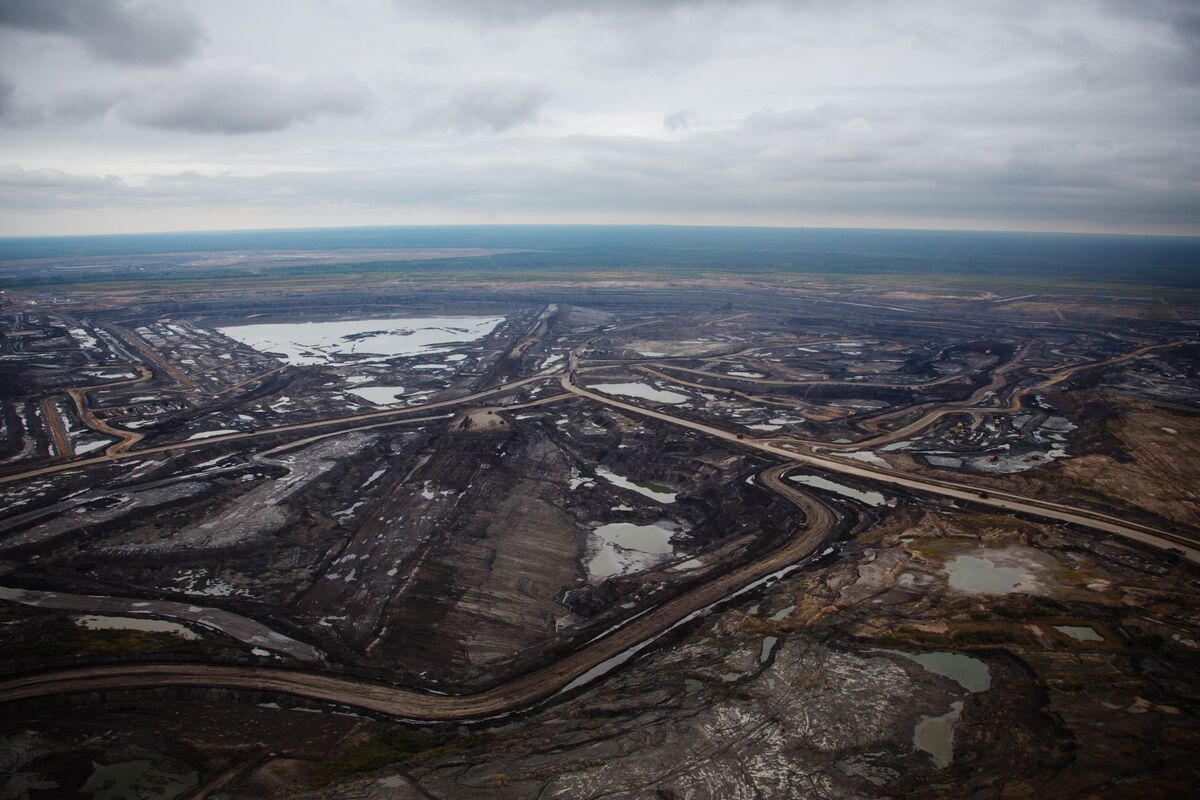
Wildfires in Alberta are escalating, posing a threat to approximately 4% of Canada's crude oil production. Twenty-five out-of-control fires are burning in the region, with flames approaching major oil sands production sites representing about 200,000 barrels of daily output, raising concerns about potential disruptions.

Analysis

Wildfires in Alberta are rapidly escalating, posing a significant and growing threat to Canadian oil production, with approximately 4% of the nation's crude output, or 200,000 barrels per day, now at risk as blazes approach major oil sands sites. The number of out-of-control fires has surged to 25 from just four earlier in the week, exacerbated by hot and dry weather conditions. This situation carries a strongly negative sentiment (sentiment score: -0.7) and a notable market impact score of 0.65, indicating a considerable potential for supply disruptions that could exert upward pressure on crude oil prices and affect energy market stability.

AllMind AI Terminal

AI-powered research, real-time alerts, and portfolio analytics for institutional investors.

Request a Demo

Market Sentiment

Overall Sentiment

strongly negative

Sentiment Score

-0.70

Key Decisions for Investors

  • Closely monitor the Alberta wildfire situation for potential impacts on the approximately 200,000 barrels per day of oil production at risk, as significant disruptions could drive short-term crude price volatility.
  • Evaluate the viability of tactical long positions in crude oil or related instruments should substantial production curtailments materialize, particularly given the negative sentiment and highlighted market impact potential.
  • Investors with exposure to Canadian oil sands operations should assess the potential for operational disruptions and resultant financial impacts on entities active in the affected region.
  • Factor the increasing occurrence of such climate-related physical risks, as highlighted by the natural disaster theme, into long-term investment strategies and ESG considerations for the energy sector in this region.