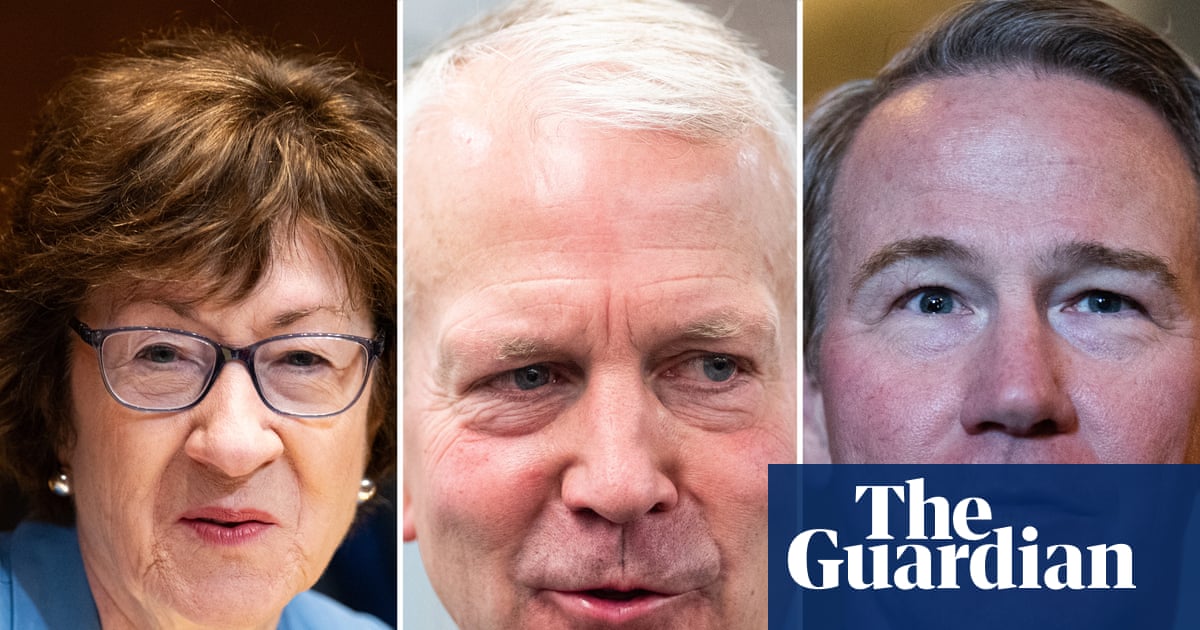
The Senate narrowly defeated Chuck Schumer’s amendment by a 49-50 vote to block a proposed $1.8bn "anti-weaponization" fund tied to Trump allies, with three Republicans joining all Democrats in support. The fight is delaying agreement on a $70bn bill to fund ICE and CBP through 2029 and underscores growing intra-party tension over the administration’s spending plans. Although the administration says it will not move forward with the fund, Democrats are seeking a statutory prohibition to prevent future payouts.
The key market signal is not the immediate vote count; it is the erosion of discipline inside the governing coalition. For ICE, that raises the probability of near-term budget volatility and headline risk, but not yet a clean funding failure — reconciliation is still intact, and the political incentive to keep immigration spending moving is strong. The more important second-order effect is that this dispute makes ICE a bargaining chip in a broader intra-party credibility fight, which can widen the range of outcomes for contractors, detention capacity, and enforcement vendors over the next 1-3 months.
The proposed “anti-weaponization” payouts are a governance issue with legal overhang, not a direct operating issue for ICE, but the linkage matters because it weakens the administration’s ability to build a stable coalition around immigration outlays. If Republicans keep hemorrhaging defections from vulnerable senators, the risk shifts from “funding passes on schedule” to “funding passes with add-ons, constraints, or delayed implementation,” which would hit procurement timing more than top-line authorization. That kind of delay tends to compress multiples for the more politically sensitive names first, while benefiting larger incumbents with better backlog visibility and lower dependence on a single appropriations cycle.
The contrarian angle is that the market may be overestimating the durability of the current backlash. Public outrage over a politically toxic fund can force a rhetorical retreat without changing the underlying spending architecture, and that would be enough to remove the headline overhang from ICE-adjacent names. In other words, the bear case is not a funding cut; it is a sequence of short postponements and legal disputes that create execution slippage and discount-rate pressure, especially if this becomes a recurring Senate floor fight into the summer.
AI-powered research, real-time alerts, and portfolio analytics for institutional investors.
Request DemoOverall Sentiment
mildly negative
Sentiment Score
-0.12
Ticker Sentiment
