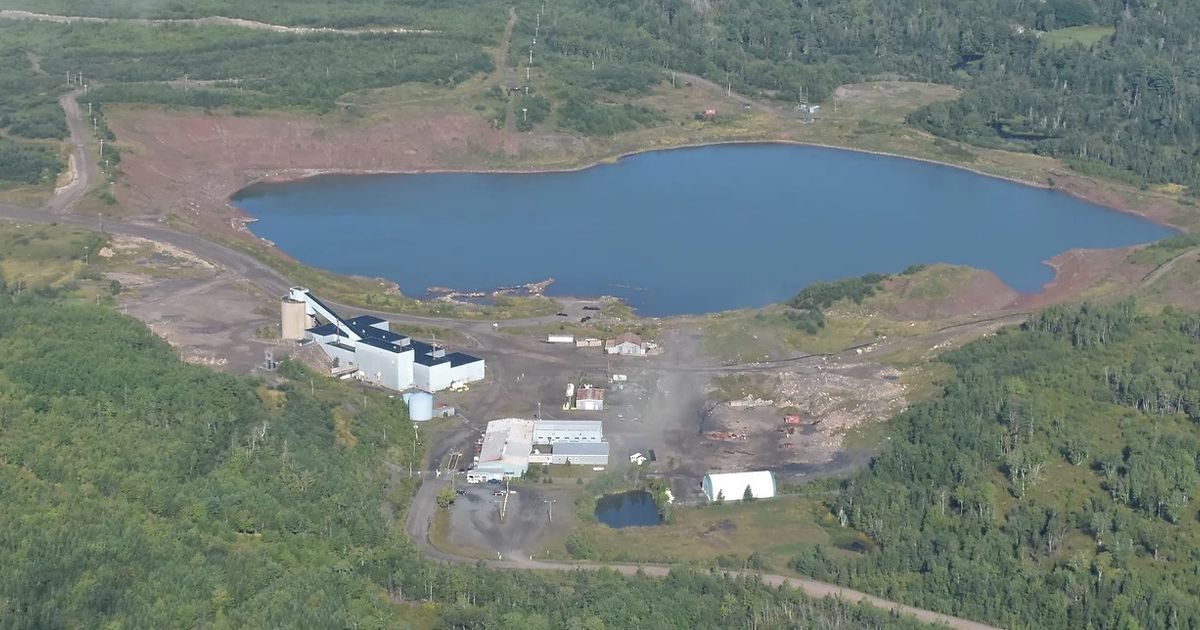
EDM Resources completed key 2025 milestones and announced commercial and financing arrangements while advancing permitting for the Scotia Mine, including a US$58 million gypsum offtake agreement (with a US$250,000 pre-payment), a silver royalty providing 7,000 oz/year backed by a US$1 million pre-payment (cash and equity), and a fully subscribed $1 million private placement. Technical work returned a positive Dense Media Separation study and confirmed high-grade gold in lead and zinc concentrates; regulatory progress includes imminent submission of a Fisheries Act Authorization application. For 2026 the company targets finalizing project finance structures, updated zinc/lead offtakes and concentrate marketing, integration of DMS into the flowsheet, commencement of gold exploration, an updated NI 43-101 pre-feasibility study and a production decision contingent on permitting and financing.
Market structure: EDM (SWNLF) gains tangible commercial de‑risking via a US$58m gypsum offtake and US$1m silver prepayment, improving near‑term cashflow optics and bargaining power with lenders; this should marginally tighten supply for regional gypsum and increase Scotia’s negotiating leverage on concentrate terms if DMS proves to uplift payable grades by >10–20%. Winners: EDM, local concentrate marketers, and any integrated processors able to secure higher‑grade feed; losers: undifferentiated TSXV juniors without offtake or DMS optionality. Cross‑asset impact is modest but watch zinc/lead/gold spot moves (±10% shifts materially alter project NPV) and provincial bond spreads if permitting disputes escalate.
Risk assessment: Key tail risks are a Fisheries Act denial or onerous conditions (3–9 month review window), failure to raise project finance (estimated incremental need US$75–150m within 6–12 months), or DMS underperformance vs pilot results. Immediate (days) risk is headline volatility around the permit submission; short term (weeks–months) is financing execution and offtake expansions; long term (quarters) is construction cost escalation >20% or metal price routs. Hidden dependencies include community/First Nations agreements that can convert “authorization” into costly mitigation obligations and concentrate marketing clauses that could dilute EBITDA.
Trade implications: For nimble allocators, establish a tactical 1–2% portfolio long in SWNLF on the permit submission catalyst, using a 30–40% stop or convert to credit via royalty structures if available; consider buying 6–12 month equity with intent to add on authorization. Pair trade: long SWNLF, short a basket of TSXV base‑metal explorers without offtake (equal dollar, hedge beta) to isolate permitting/financing idiosyncrasy. Options: where liquid alternatives exist, favor long‑dated calls or buy‑write structures post‑authorization to capture re‑rating while harvesting premium.
Contrarian angles: The market may underprice the strategic value of gypsum offtake (US$58m) as a non‑correlated cash stream that lowers working capital risk and can materially reduce required equity; conversely, consensus may be complacent about financing scale—many juniors with offtakes still fail to raise capex. Historical parallels (junior restarts with small prepayments) show binary outcomes: quick re‑start or multi‑year mothballing. Unintended consequence: aggressive DMS integration could raise upfront capex and delay commissioning despite OPEX benefits, negating short‑term valuation uplift.
AI-powered research, real-time alerts, and portfolio analytics for institutional investors.
Request DemoOverall Sentiment
moderately positive
Sentiment Score
0.35
Ticker Sentiment
