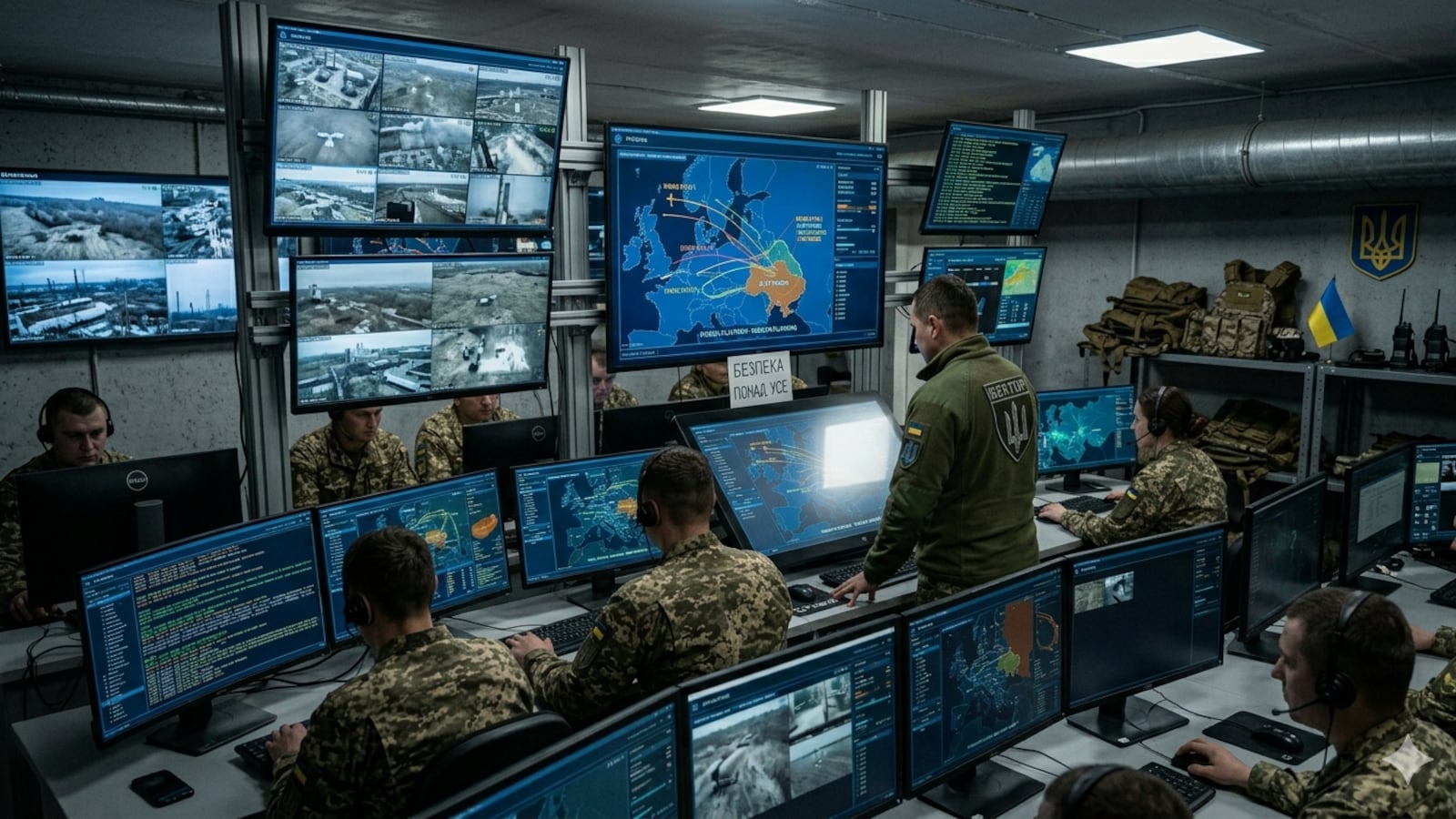
Kyiv is using Palantir-developed PRISMA software to plan and coordinate long-range drone strikes, combining real-time battlefield data, flight paths, and AI-assisted analysis into one operational picture. The system helps Ukrainian operators identify gaps in Russian air defenses and adapt routes during live missions, potentially improving strike efficiency as drone warfare intensifies. The article underscores deeper Palantir involvement in defense operations, but the immediate market impact is more sector-level than company-specific.
The key market implication is not the battlefield headline but the product proof-point: Palantir is showing it can move from intelligence aggregation into closed-loop operational decisioning. That expands the addressable market from “analytics software” to mission-critical workflow infrastructure, which is materially stickier and supports higher renewal durability, especially when customers are under wartime or national-security pressure.
Second-order, this is a sales wedge into allied defense procurement. Once a system becomes embedded in a live operational loop, switching costs rise nonlinearly because training, integration, and doctrine adaptation all become intertwined; that improves Palantir’s pricing power and reduces the odds of budget churn even if headline defense IT spend slows. The larger near-term catalyst is not Ukraine revenue itself, but referenceability for NATO, European homeland security, and US command-and-control modernization programs over the next 12-24 months.
The contrarian risk is valuation versus narrative saturation: much of the “AI defense winner” story is already owned, so incremental upside needs either faster commercial conversion or evidence that PRISMA-like deployments open new federal programs. On ICE, the article reinforces the reputational overhang rather than creating new fundamental downside; the bigger issue is political headline risk that can expand procurement friction and raise discount-rate pressure on contract multiples. For PLTR, the cleaner setup remains a multi-quarter compounding story; for ICE, this is a sentiment drag more than an earnings shock.
Tail risk to watch is policy reversal or procurement scrutiny if autonomous targeting concerns trigger congressional or EU pushback. That would likely matter over months, not days, but could compress multiple expansion if investors start to haircut the defense AI premium. Near term, the stock reaction should hinge on whether management can translate this into a larger pipeline and not just a one-off wartime use case.
AI-powered research, real-time alerts, and portfolio analytics for institutional investors.
Request DemoOverall Sentiment
neutral
Sentiment Score
0.05
Ticker Sentiment
