US-Iran talks in Islamabad ended without a major breakthrough after 21 hours, with key issues unresolved including Iran's enriched uranium, proxy funding, and reopening the Strait of Hormuz. Trump responded by threatening an immediate blockade of the strait, while the US military said it would halt maritime traffic to and from Iranian ports from Monday morning. The standoff raises geopolitical risk sharply and keeps pressure on global oil markets, which have already surged during the six-week war.
The market is still underpricing the tail risk that this negotiation failure converts a temporary conflict premium into a durable supply-risk regime. The key second-order effect is not just higher crude; it is a broader repricing of chokepoint risk, freight insurance, and working-capital needs across refiners and industrial importers. If the Strait remains constrained even partially, the biggest relative losers are Asian refiners and European chemical names with the least flexibility in feedstock sourcing, while North American upstream and midstream assets gain scarcity value.
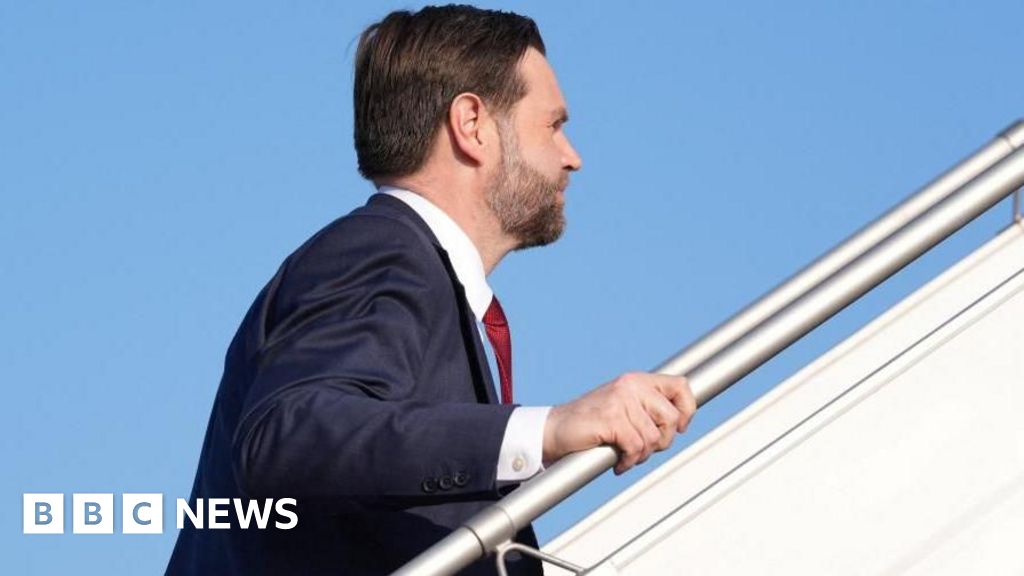
Vance’s role matters because the diplomatic channel is now tied to a domestic political narrative, which increases the odds of abrupt policy swings rather than linear progress. That usually pushes markets toward shorter-dated hedges and away from medium-term directional conviction: energy could gap on headlines, then mean-revert if the rhetoric outpaces enforceable restrictions. The near-term catalyst set is binary over days, not weeks — any visible maritime disruption, sanctions escalation, or proxy retaliation would force systematic accounts to add risk premium quickly.
The contrarian angle is that a lot of bad news is already embedded in front-month energy pricing, but not in the equity dispersion underneath it. The cleaner trade is not “long oil” outright; it is long the balance sheets that monetize volatility and short the most input-cost-sensitive users with weak pass-through. If diplomacy unexpectedly improves, energy beta will fade faster than quality upstream cash flows, so relative-value structures should outperform plain directional longs.
AI-powered research, real-time alerts, and portfolio analytics for institutional investors.
Overall Sentiment
moderately negative
Sentiment Score
-0.55
