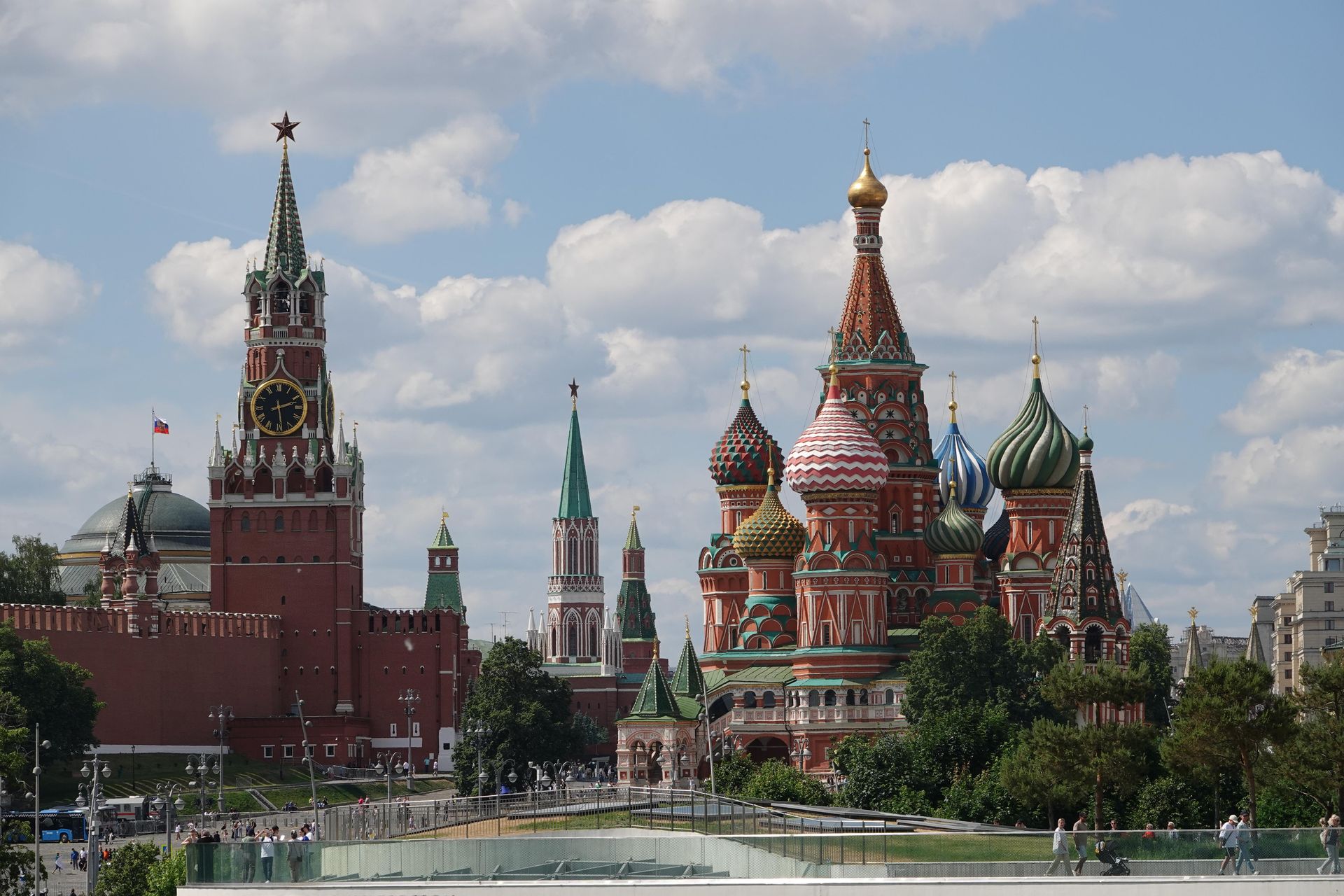
Russian territory, including Moscow, experienced a second consecutive night of drone attacks, leading to temporary flight suspensions at major Moscow airports which have since resumed. Reports also indicate explosions near industrial zones, including munitions production facilities in Nizhny Novgorod Oblast. This persistent drone activity deep within Russia signals an escalation of geopolitical risk and potential for operational disruptions affecting key infrastructure.
A second consecutive night of drone attacks on Moscow and other Russian oblasts signifies an escalation in hostilities and a material increase in operational risk within Russia. The temporary suspension of flights at five airports, including Moscow's primary hubs, demonstrates a direct and recurring threat to critical transportation and logistics infrastructure, even if services were restored quickly. Furthermore, reports of attempted strikes near an industrial zone containing munitions production facilities in the Nizhny Novgorod Oblast suggest a strategic targeting of Russia's military-industrial complex, moving beyond symbolic attacks on the capital. The Russian Defense Ministry's claim of intercepting 73 drones, while unverified by the source, points to the scale of the coordinated operation. This pattern of widespread and sustained attacks deep within Russian territory heightens geopolitical uncertainty and introduces a new dimension of physical risk for assets and supply chains operating in the region.
AI-powered research, real-time alerts, and portfolio analytics for institutional investors.
Request DemoOverall Sentiment
moderately negative
Sentiment Score
-0.50
