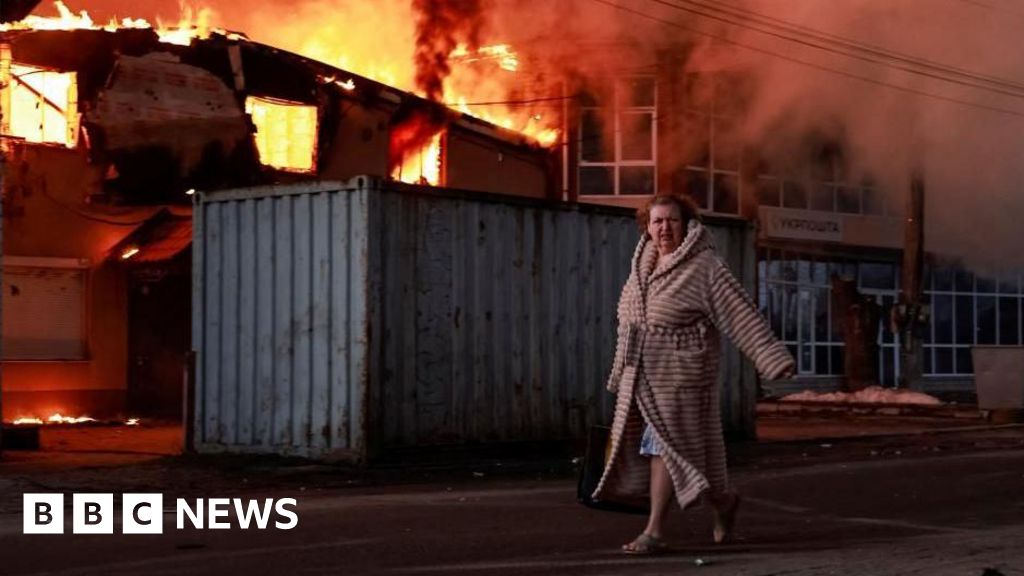
About 500 Russian drones and missiles (430 drones and 68 missiles) were launched in the latest strikes, causing at least five deaths and damage to energy infrastructure and civilian buildings. Oil prices rose to around $100/barrel amid Iran's effective blockade of the Strait of Hormuz, prompting a temporary U.S. waiver on loaded Russian oil and drawing criticism from Ukraine and European leaders. Zelensky warned Russia will seek to exploit the Middle East war to inflict greater destruction and urged partners to rapidly supply more air-defence systems, while peace talks to end the Ukraine conflict have been derailed by the Iran war.
The immediate supply competition for interceptors and surface-to-air munitions between Europe/Ukraine and the Middle East creates a two-front procurement shock: demand spikes now, but production and qualified launch-system installs are constrained by 6–18 month lead times. That benefits large defence primes with existing manufacturing capacity and aftermarket integration teams while straining smaller specialists and subcontractors that lack scale to rapidly expand output.
Energy-side second-order effects are asymmetric: higher disruption risk to chokepoints and insurance costs compresses short-sea and refined-product flows first, amplifying near-term volatility in freight and refining margins even if crude physical balances normalize later. Simultaneously, any policy workarounds that let sanctioned barrels move increase counterparty, sanctions and settlement risk for banks, P&I clubs and reinsurers — an underappreciated source of credit stress in shipping-linked names.
Key catalysts that will determine the path over distinct horizons are clear. In days-to-weeks, headline escalation or a major strike on European energy infrastructure drives volatility; in 1–3 months, diplomatic de-escalation or emergency SPR releases can sharply cap energy upside; in 6–18 months, capacity additions from defense primes and munitions suppliers materially change the supply picture and order flow.
The consensus now prices persistent scarcity in both munitions and shipping services; that is a reasonable short-run view but likely overstates structural shortage risk beyond a year because industrial ramping and political prioritization (stock transfers, export approvals) are choices, not exogenous constraints. Tactical trades should therefore capture near-term dislocations while keeping optionality for mean reversion once policy responses arrive.
AI-powered research, real-time alerts, and portfolio analytics for institutional investors.
Request DemoOverall Sentiment
strongly negative
Sentiment Score
-0.70
