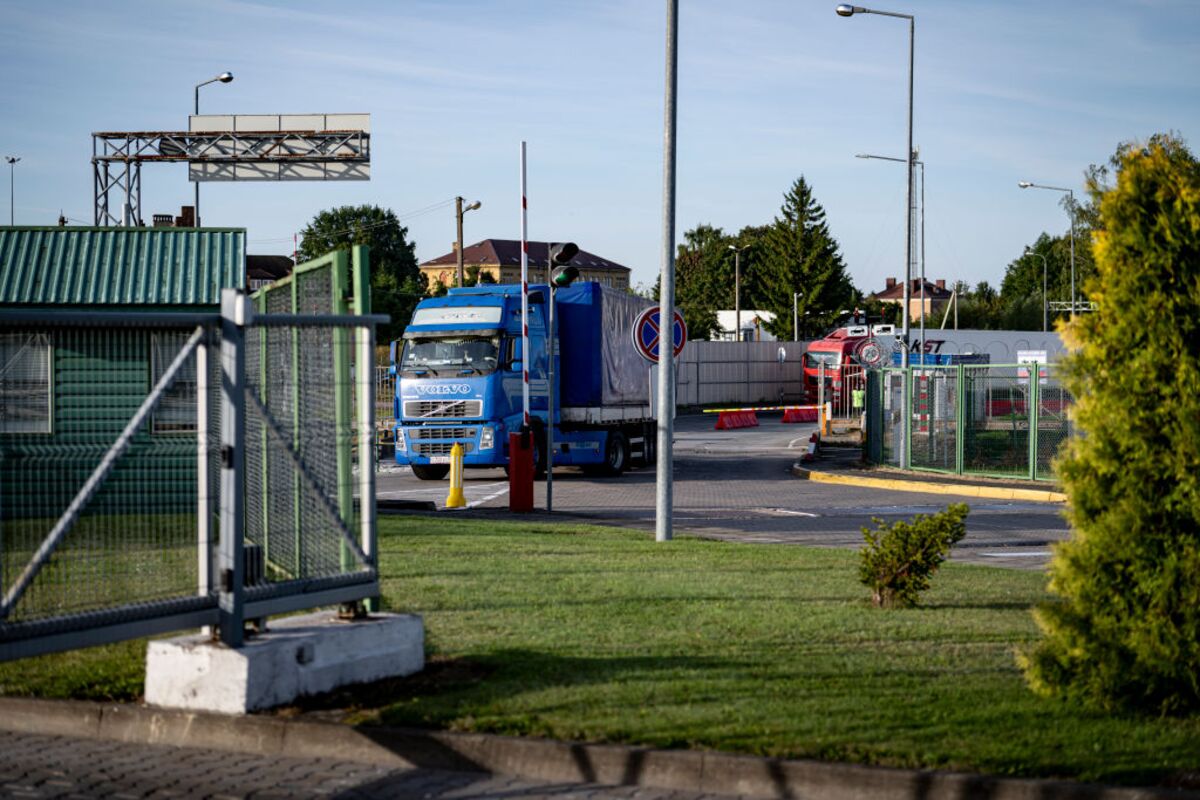
Lithuania has accused Russian importers of exploiting medical sanctions exemptions to procure goods for military use. According to Lithuania's deputy foreign minister, its customs authority blocked the export of 28,854 items destined for Russia and Belarus in the past year that were falsely declared as medical supplies, indicating a potential sanctions evasion strategy.
Lithuanian authorities have reported a significant instance of alleged sanctions evasion, accusing Russian importers of misusing medical exemptions to acquire goods for military purposes. According to Lithuania's deputy foreign minister, Gabija Grigaite-Daugirde, the country's customs authority prevented the export of 28,854 items to Russia and Belarus last year that were purportedly declared under such exemptions. This accusation suggests a deliberate strategy to circumvent international sanctions, potentially weakening their impact on Moscow's military capabilities and highlighting vulnerabilities in the enforcement of current trade restrictions. The revelation, carrying a strongly negative sentiment, underscores persistent geopolitical tensions and the complexities involved in managing trade policy amidst conflict, particularly concerning dual-use goods or those with potential military applications.
AI-powered research, real-time alerts, and portfolio analytics for institutional investors.
Request DemoOverall Sentiment
strongly negative
Sentiment Score
-0.65
