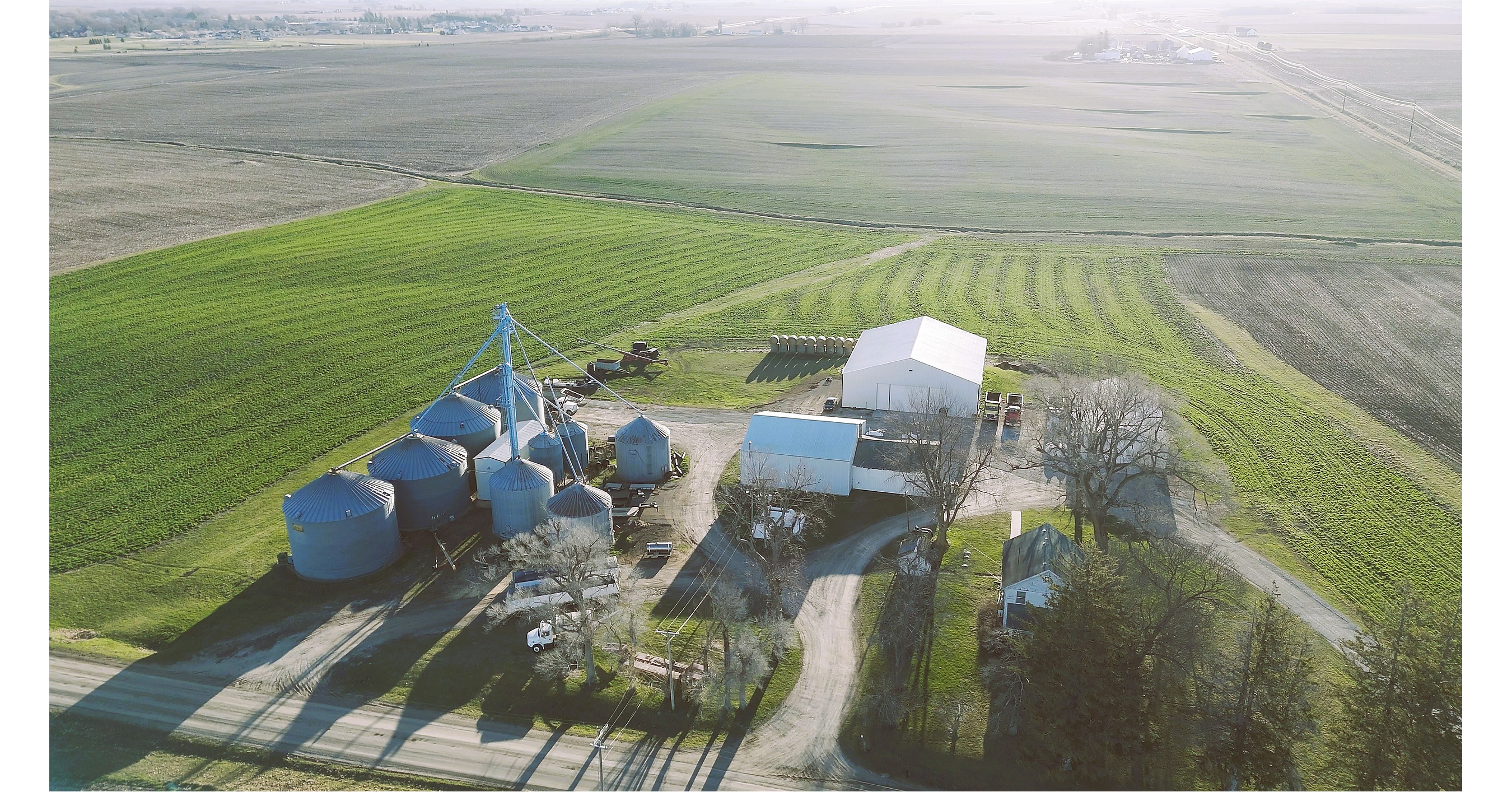
PepsiCo reported progress on its 2030 Positive Agriculture (pep+) goals, expanding regenerative/restorative/protective farming to 4.7 million acres (toward a 10 million-acre target). As of 2025, 70% of key ingredients are sustainably sourced and ~2% of volumes are advancing under an “Engaged” pathway, while the company said it has supported ~224,000 livelihoods since 2021 (nearing a 250,000+ target by 2030). The update emphasizes continued collaboration (including the STEP Up for Agriculture initiative with Unilever) and innovation supported by the PAO Accelerator, with deforestation performance to be reported later in 2026.
This reads like a de-risking exercise, not an earnings catalyst. The economic value for PEP is mostly in reducing supply-chain variance: better traceability and agronomic support can lower the odds of margin shocks when crop quality, water availability, or deforestation scrutiny tighten procurement options. That supports a modest premium versus staples peers only if investors believe it meaningfully lowers future compliance spend and retailer/distributor friction; otherwise it is mostly reputational alpha with little immediate P&L translation.
The second-order winner is any supplier ecosystem that helps PepsiCo prove chain-of-custody, data capture, irrigation efficiency, and farm-level verification; the loser is the set of commodity suppliers and co-packers with weaker traceability, because large buyers will increasingly prefer auditable sourcing even if it carries a small cost premium. The biggest hidden beneficiary may be ESG-sensitive capital: this kind of disclosure can reduce the probability of shareholder proposals, negative-screen exclusion, and governance pressure into 2026. But the contrarian risk is that the market treats this as a sustainability halo while underestimating the cost and complexity of measurement, which can quietly pressure COGS and SG&A without showing up in the headline metrics.
Near term, there is probably no tradable price move unless the next earnings call ties these programs to quantifiable margin defense or procurement savings. The real catalyst is the later-2026 deforestation update: if it shows gaps, the narrative flips from stewardship to execution risk; if it confirms progress, the stock gets a small quality/multiple tailwind. Watch for any change in organic sales guidance, gross margin, or capex disclosure—those would falsify the idea that this is purely a low-cost ESG support story.
AI-powered research, real-time alerts, and portfolio analytics for institutional investors.
Request DemoOverall Sentiment
neutral
Sentiment Score
0.10
Ticker Sentiment
