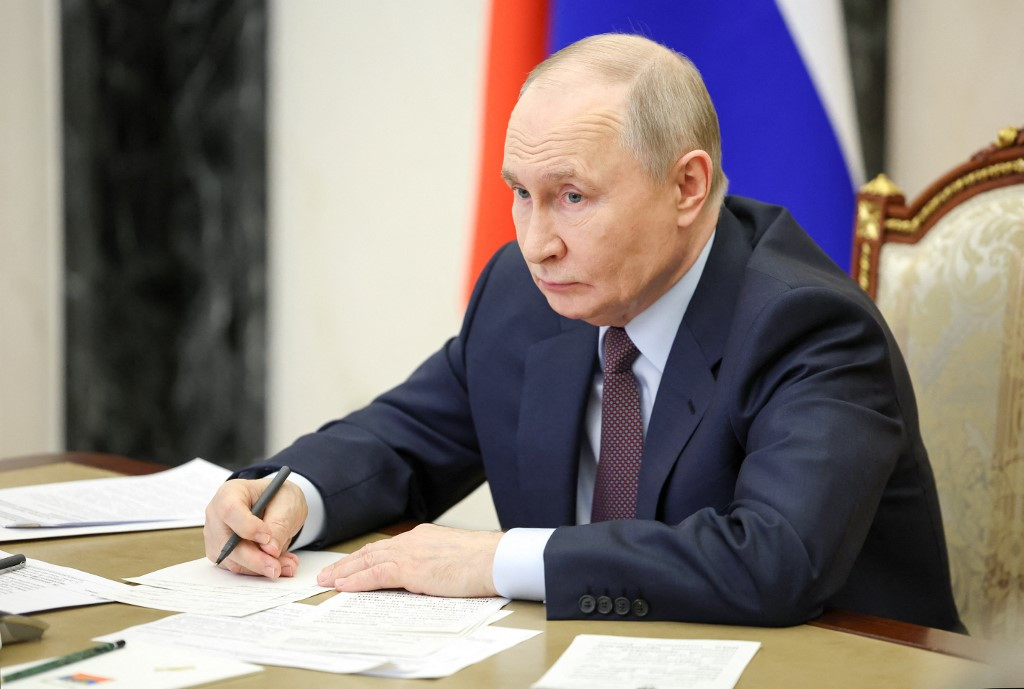
Putin’s approval rating fell to 65.6%, its lowest level since before the 2022 invasion, down 4.5 points since late March and more than 12 points below late December. The decline comes alongside a Kremlin internet crackdown and multiple reports of outages, while Russia’s economy slowed and GDP fell 1.8% in January-February versus a year earlier. The article points to rising domestic pressure from war-related strain, sanctions, and weakening economic conditions.
The key market signal is not the approval print itself, but the regime shift it implies: Kremlin tolerance for visible inconvenience is likely rising because macro stress is now colliding with information-control priorities. That usually creates a lagged policy response pattern where the state doubles down on restrictions before it softens, so the near-term risk is further disruption rather than stabilization. For public-market exposure, the immediate beneficiaries are domestic surveillance, telecom-control, and censorship-adjacent infrastructure vendors; the losers are consumer internet monetization, payments, and any business model dependent on low-friction mobile usage.
The second-order effect is on operating efficiency across the Russian economy. Internet throttling is not just a civil-liberties issue; it reduces transaction throughput, impairs routing/logistics, and raises the cost of online banking and digital services, which compounds the slowdown already underway. That tends to hit small merchants and regional service businesses first, then feeds into labor productivity and tax receipts with a 1-2 quarter delay. It also increases the probability of ad hoc policy mistakes as the state tries to trade control for resilience.
On the geopolitical side, weaker domestic support tightens the regime’s incentive to manufacture external pressure or claim security necessity, but the more important tradable risk is escalation in the cyber and sanctions domain rather than battlefield surprises. A sustained slowdown plus higher information friction increases tail risk of capital controls, forced localization, and further restrictions on foreign software or cloud tools. The contrarian view is that public approval declines in Russia often matter less than outside investors assume; the more actionable variable is whether the Kremlin decides the economic pain is still tolerable, which can keep repression elevated longer than consensus expects.
AI-powered research, real-time alerts, and portfolio analytics for institutional investors.
Request TrialOverall Sentiment
moderately negative
Sentiment Score
-0.35
Ticker Sentiment
