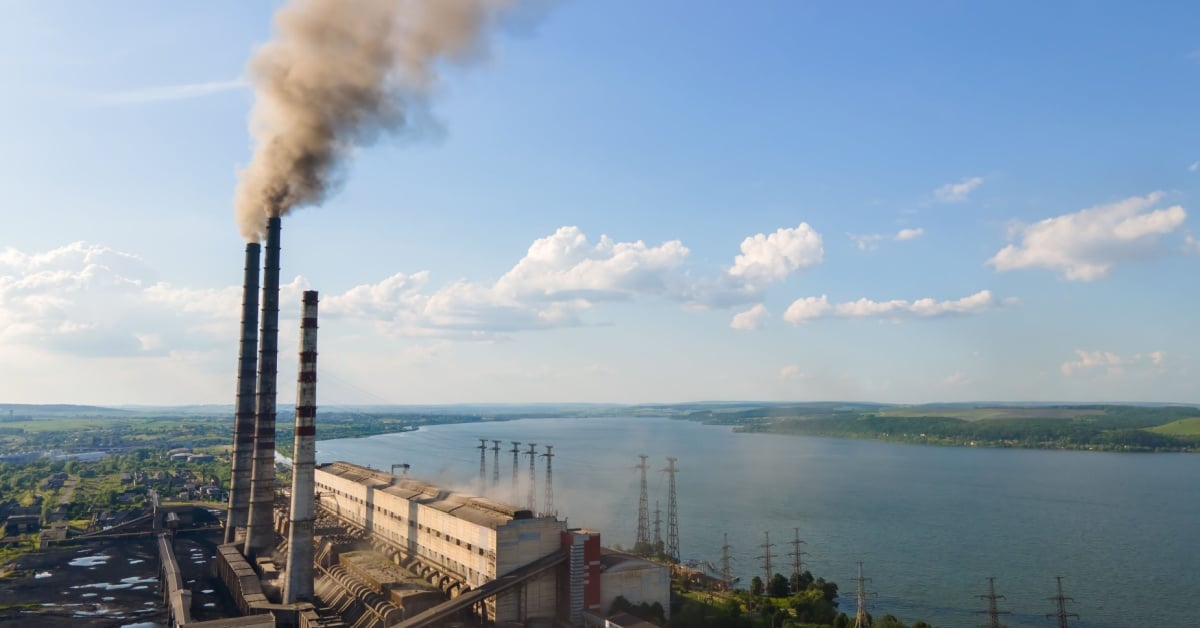
US datacenters are increasingly relying on coal-powered energy, driven by elevated natural gas prices and surging electricity demand from AI, leading to a nearly 20% year-to-date increase in coal generation. A Jefferies research note projects coal generation to remain elevated through 2027 due to favorable fuel pricing, indicating a significant shift away from cleaner energy sources despite environmental concerns, including Morgan Stanley's forecast of datacenter emissions tripling by 2030. This trend is further supported by a federal policy environment prioritizing immediate power availability for AI development over renewable energy adoption, impacting energy market dynamics and investment in green infrastructure.
US datacenters are increasingly relying on coal-powered energy, driven by elevated natural gas prices and surging electricity demand from Artificial Intelligence. A Jefferies research note indicates coal generation has increased nearly 20% year-to-date and is projected to remain elevated through 2027 due to favorable fuel pricing, signaling a significant shift away from cleaner energy sources. This is exemplified by a power company in Omaha reversing coal plant decommissioning to meet datacenter load growth.
This reliance on coal carries substantial environmental implications, with Greenpeace characterizing it as "the dirtiest, most polluting way of producing energy." A 2024 Morgan Stanley report projects global datacenter emissions to reach 2.5 billion tonnes by 2030, tripling without generative AI development. Operators prioritize immediate build-out with readily available, often fossil fuel-based, power, as current natural gas prices make it less economically attractive.
Federal policy further exacerbates this shift, with the Trump administration implementing measures that restrict renewable energy development, despite research suggesting renewables could be cheaper. Officials like Interior Secretary Doug Burgum prioritize ensuring sufficient power for the "AI arms race" over climate change concerns, indicating a policy environment favoring immediate energy availability over long-term decarbonization goals for critical infrastructure.
AI-powered research, real-time alerts, and portfolio analytics for institutional investors.
Overall Sentiment
moderately negative
Sentiment Score
-0.50
Ticker Sentiment
